Antarctic Fish: Complete Guide to Species, Adaptations & Survival in the Southern Ocean
Would you believe that the frigid waters of the Southern Ocean teem with life? Around 374 fish species call the Antarctic waters their home and flourish in one of the harshest marine environments on Earth. Notothenioids, accounting for around 45 percent of Antarctic fish, are the extreme survival artists of the fish world, contributing to about 90 percent of the total fish biomass in Antarctica. Whether it’s their unique antifreeze protein protection, bottom-feeding habits, or low metabolic rates, this group is the master of cold-region evolution. Discover how Antarctic toothfish, crocodile icefish, and Antarctic silverfish have adapted to polar waters, and how the roughly 400 million tons of Antarctic krill sustain these fascinating residents of the Southern Ocean.
The Southern Ocean: Foundation for Antarctic Fish
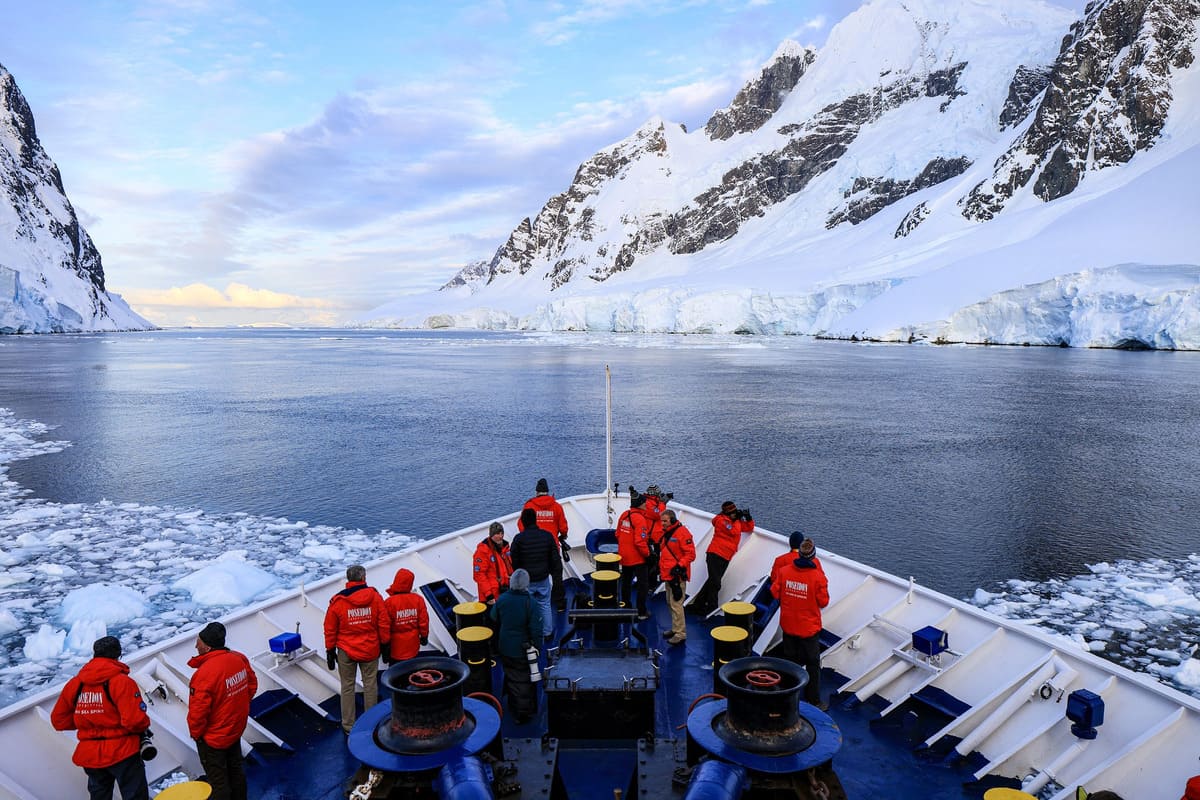
Did you know that the Antarctic Circumpolar Current has been crucial for the development of unique Antarctic fish species? The world’s strongest ocean current, flowing west to east around Antarctica, has been encircling the continent for more than 30 million years. Its movement creates the Antarctic Convergence, where steep temperature and salinity gradients collide. This natural barrier isolates the Southern Ocean ecologically, keeping warmer waters and non-native species at bay. Over millions of years, it has created the perfect evolutionary conditions for notothenioids to develop their extraordinary survival traits. And while Antarctica and its surrounding ocean may look like one of the most barren places on Earth, the 24 hours of daylight during the austral summers create ideal conditions for phytoplankton, the microscopic organisms that form the base of the Antarctic food web. Like plants, phytoplankton rely on photosynthesis to feed themselves, converting carbon dioxide into oxygen in the process. These tiny drifters are also the main food source of the famously nutritious Antarctic krill, which in turn sustains Antarctic fish, whales, seals, penguins, and countless other species.
Antarctic Krill: Keystone Species
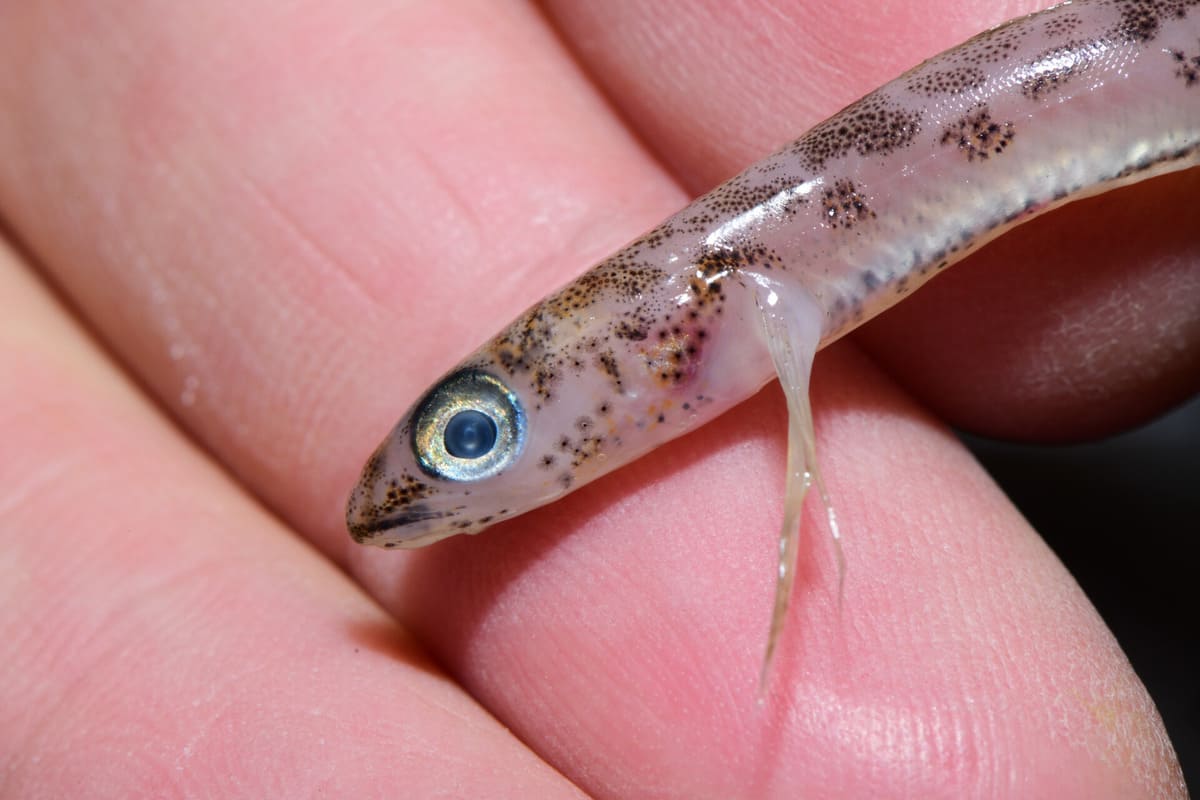
At just about six centimeters (2.5 inches) in length (roughly the size of a human thumb), millions of these tiny shrimp-like crustaceans form the base of the Antarctic marine food web. Their biomass is estimated at around 400 million tonnes, which is roughly the weight of all people on the planet! In one cubic meter of water, you can find up to 30,000 individuals densely swarming and feeding on their favorite food source: phytoplankton. One single Antarctic krill can graze on more than one billion plankton cells a day but at the same time can go over 200 days without food if needed. During such starvation periods (usually during the Antarctic winter), krill shrink in length to better conserve their energy. And krill are not just a delicious snack for iconic marine animals; they are also the ecosystem engineers of the Southern Ocean. Through daily vertical migrations, feeding at the ocean surface during nighttime and descending into deeper waters during the day to avoid predators, they distribute nutrients to different parts and depths of the ocean.
It’s no wonder that our South Georgia expedition cruises are famous for the incredible wildlife viewing! The waters around the island feature dense krill concentrations, supporting over 450,000 breeding pairs of king penguins, seals, and seabirds. Join us on our next cruise.
Antarctic Fish Species: Notothenioid Dominance
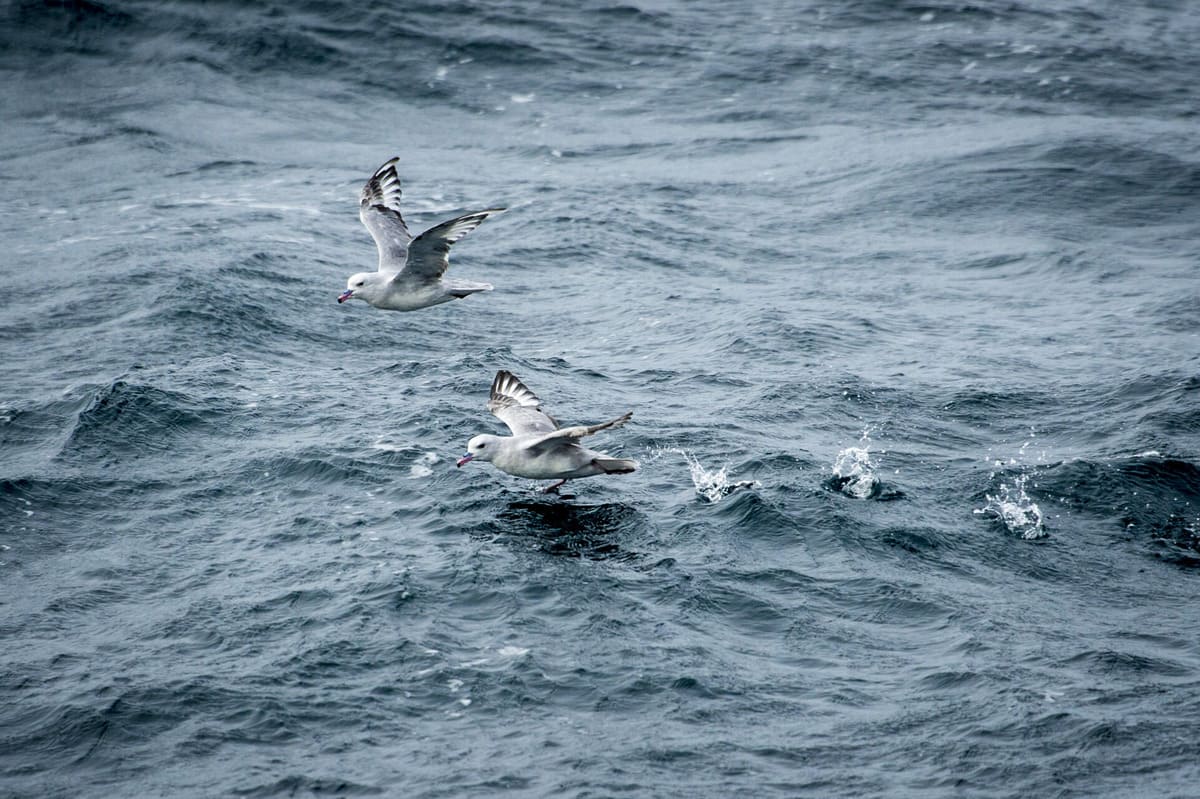
Over 20 million years ago, a diverse temperate fish fauna thrived in Antarctic waters. As the Southern Ocean cooled, notothenioids, the extreme cold-resistant survival artists, came to dominate the region, adapting to the frigid environment. Today, roughly half of all Antarctic fish species are notothenioids, which are divided into eight fish families, five of which are found around the Antarctic continent. Unlike many temperate fish, notothenioids lack a swim bladder, so they tend to spend much of their lives near the seafloor. And these polar dwellers have some impressive ways of handling the ice-cold waters! Nototheniidae (cod icefishes) produce antifreeze glycoproteins (AFGPs) that bind to ice crystals in their blood, preventing cell damage. Channichthyidae (crocodile icefishes) completely lack functional hemoglobin and red blood cells, which decrease blood viscosity, allowing blood flow despite the cold. To compensate, their cardiovascular system has adapted with massively enlarged hearts that pump oxygenated blood through their bodies. Bathydraconidae (dragonfish), artedidraconidae (barbed plunderfishes), and harpagiferidae (spiny plunderfishes) also produce antifreeze proteins and maintain a slow metabolism, though unlike channichthyidae, they retain some hemoglobin rather than losing it entirely.
How Antarctic Fish Survive Extreme Cold
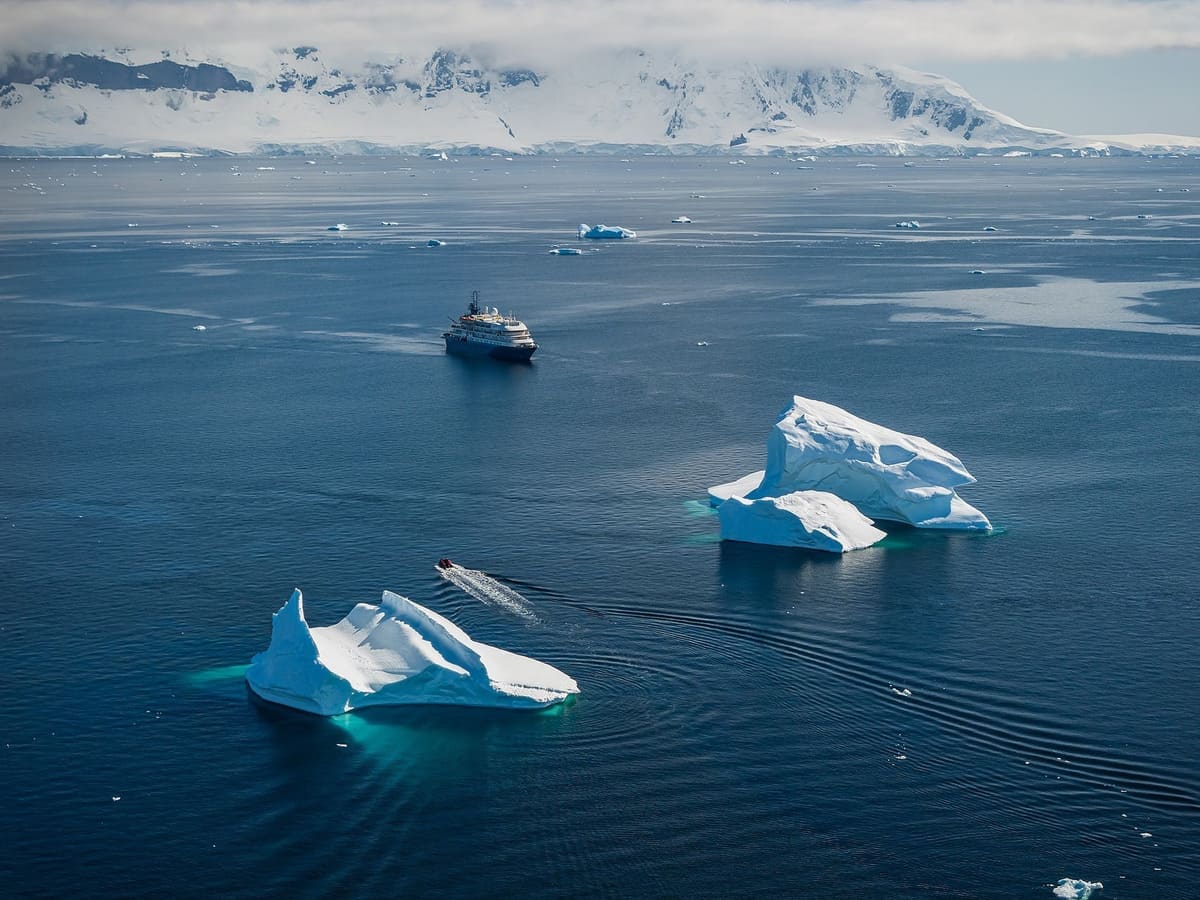
Molecular magic keeps notothenioids from freezing in the subzero Southern Ocean. There is no way for fish to freeze and then thaw later on, so preventing ice from forming inside their bodies is the key to survival. Their antifreeze glycoproteins work by binding to microscopic ice crystals that enter the fish’s body. The cooling of Antarctica began around 34 million years ago, but the origin of the antifreeze glycoprotein-producing gene occurred much later, evolving from a pancreatic trypsinogen-like ancestral gene approximately 5-14 million years ago.
These remarkable antifreeze proteins recognize ice ingested by the fish while feeding and bind to the face of the ice crystals, preventing water molecules from attaching to the crystal lattice and stopping further ice growth. This process ensures that bodily fluids stay liquid. “Antifreeze glycoproteins in notothenioids are made in the pancreas and the anterior stomach mucosa”, explained Christina Cheng, professor in the Department of Evolution, Ecology, and Behavior at the University of Illinois, in a 2024 interview with the Journal of Experimental Biology. According to Professor Cheng, these antifreeze proteins are plentiful not only in the blood but also in other extracellular compartments.
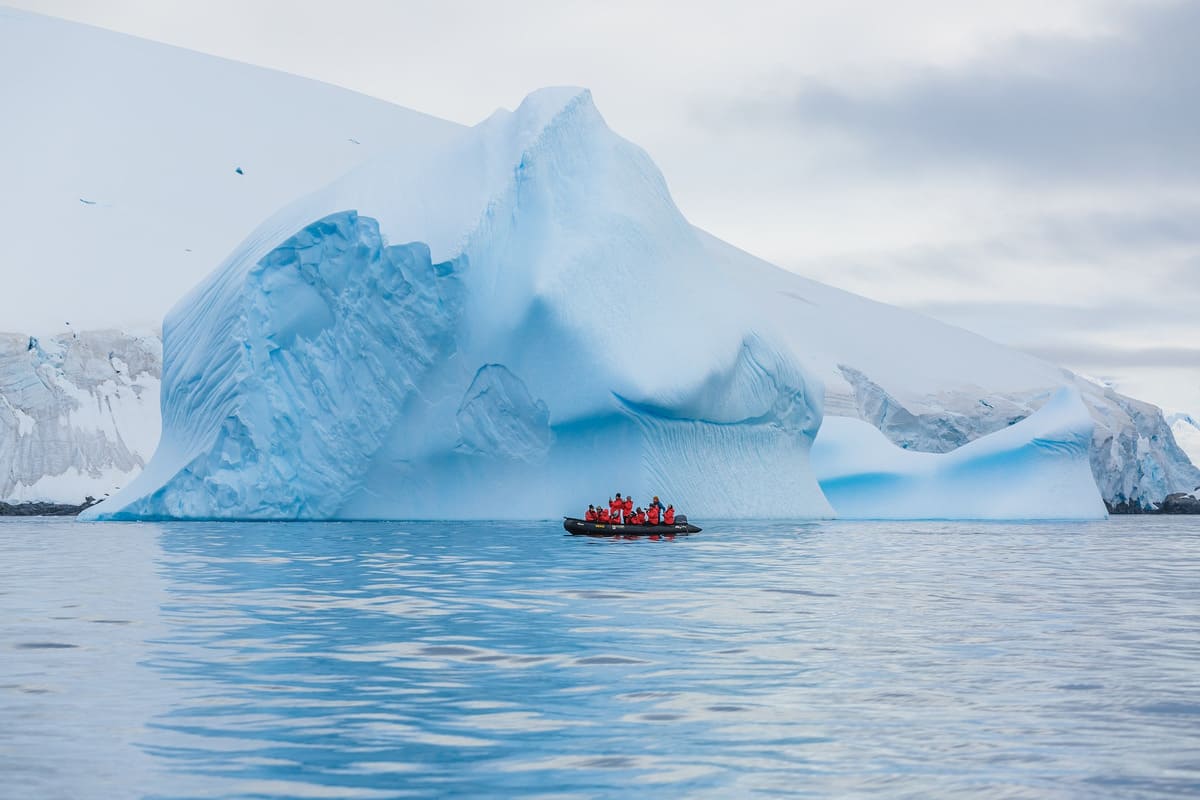
White-Blooded Fish: Crocodile Icefish
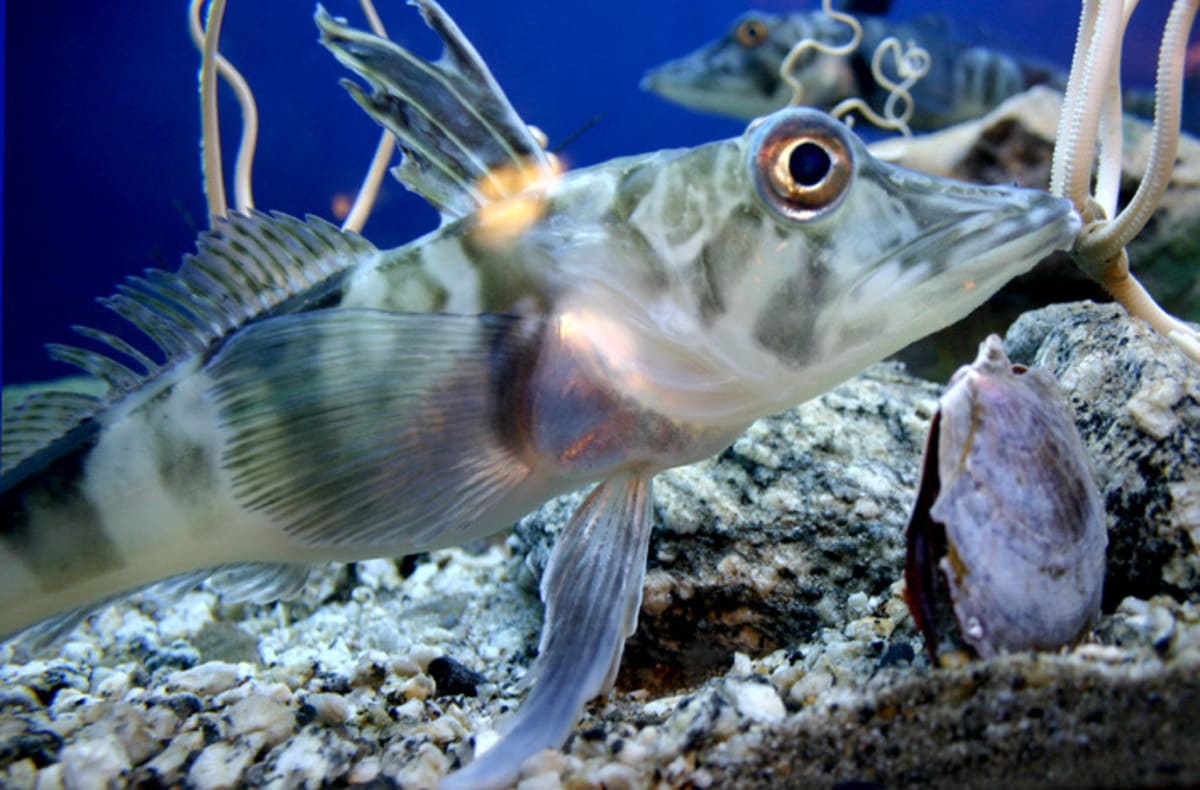
Crocodile icefish (Channichthyidae), also known as white-blooded fish, are the only known vertebrates on Earth lacking hemoglobin, an oxygen-binding protein found in red blood cells. The lack of hemoglobin makes their blood transparent and colorless. Without red blood cells, their blood’s oxygen-carrying capacity is very low and carries less than 10 percent of the oxygen that red blood can transport. But these fish adapted to compensate for the lack of hemoglobin. Their slower metabolism requires much less oxygen than the lifestyles of other fish. Their gills are well vascularized to absorb oxygen better, and their large hearts help pump higher volumes of blood through their vascular system. Additionally, the cold Antarctic waters hold more dissolved oxygen, providing the perfect habitat for the icefish’s specific needs.
Did you know that icefish build nests on the seafloor similar to penguins and seabirds on land? A 2021 German research expedition aboard the icebreaker RV Polarstern discovered a giant colony of Jonah’s icefish, spaced out over 240 square kilometers (92 square miles) east of the Antarctic Peninsula in the Weddell Sea. “While towing video cameras and other instruments half a kilometer down, near the sea floor, the ship came upon thousands of 75-centimeter-wide (30-inch) nests, each occupied by a single adult icefish – and up to 2100 eggs,” marvels Autun Purser, deep-sea biologist of the Alfred Wegener Institute in Bremerhaven, in a 2022 article on Science.org.
Antarctic Toothfish: Apex Predator
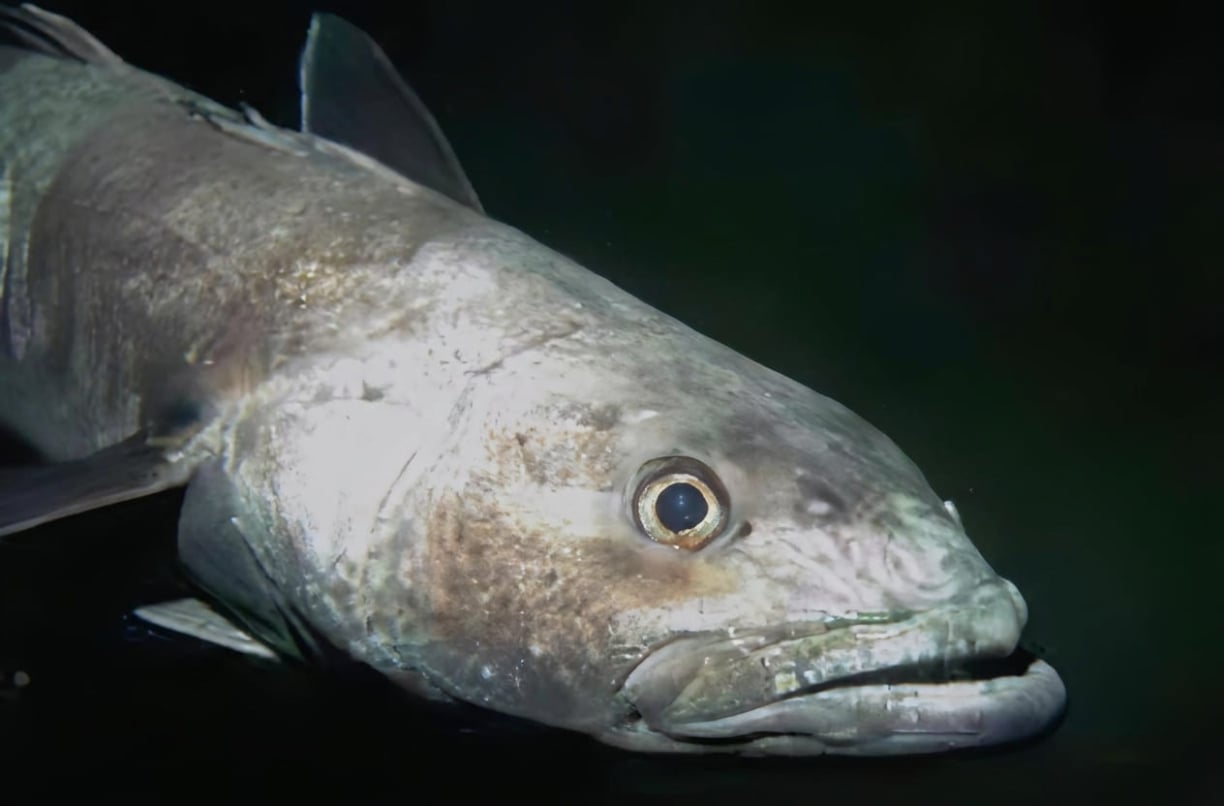
With its impressive length of up to two meters (six and a half feet) and a weight of up to 135 kilograms (298 lbs), the Antarctic toothfish (Dissostichus mawsoni) is also known as the “shark of Antarctica.” This apex predator can live up to 50 years and features sharp teeth, long fins, and a torpedo-like body, making it the perfect hunter. Just like other notothenioids, Antarctic toothfish possess signature antifreeze glycoproteins, allowing them to thrive in the subzero Antarctic waters. Their primary diet consists of other fish, such as grenadiers, icefish, eel cods, and silverfish, as well as cephalopods, crustaceans, and occasionally penguin remains left behind by larger predators.
While its natural predators include orcas, sperm whales, and elephant seals, humans’ taste for their white, flaky flesh high in omega-3 fatty acids, and its large size, make the Antarctic toothfish highly vulnerable to overfishing (orcas and elephant seals also hold ocean records of their own; read what is the fastest ocean animal in the world). Their late spawning (male toothfish reach maturity at 13 years, and females only at 17 years of age), as well as their slow growth, puts populations under pressure from the fishing industry. Sold commercially as “Chilean sea bass” or “white cod,” it’s considered a delicacy in many upscale restaurants worldwide. To protect populations, the Commission for the Conservation of Antarctic Marine Living Resources (CCAMLR) sets annual catch quotas, based on scientific research and long-term health stock assessments.
Patagonian Toothfish: Northern Cousin
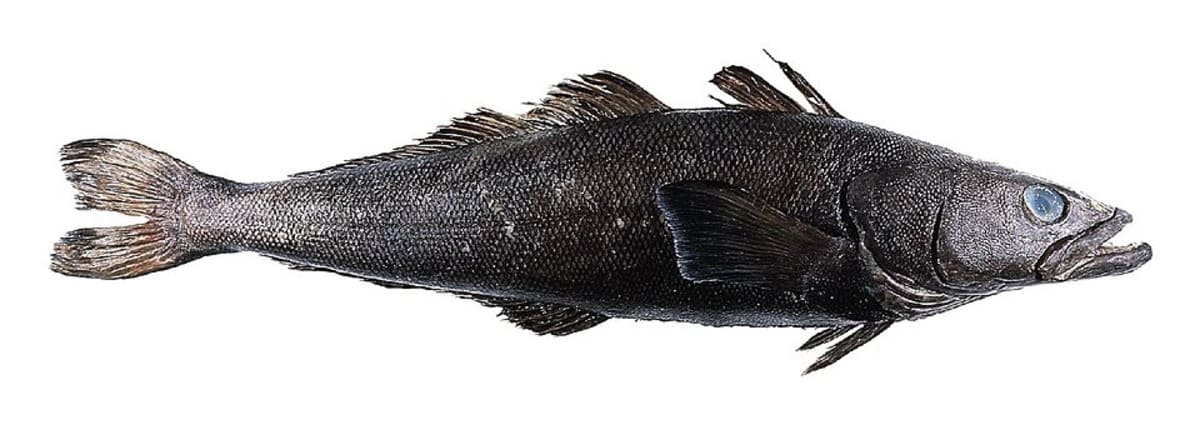
The slightly more northerly cousin of the Antarctic toothfish lacks the signature antifreeze glycoproteins and therefore can’t survive in the subzero waters of Antarctica. While similar in size and weight, the Patagonian toothfish (Dissostichus eleginoides) is confined to sub-Antarctic waters by this physiological limitation (generally north of about 60° South), inhabiting the Patagonian Shelf, the Falkland Islands, and the Kerguelen Plateau. Although the two toothfish species generally occupy different temperature zones, their ranges overlap around South Georgia and the South Sandwich Islands. Patagonian toothfish are opportunistic predators, feeding on rattails (grenadiers), hakes, morid cods, squid, and shrimp. Just like its Antarctic, polar-dwelling relative, Patagonian toothfish is commercially marketed as “Chilean sea bass.”
See these animals in the wild
Join us on an unforgettable expedition to discover the wonders you've just read about
or download our free brochure
Antarctic Silverfish & Other Key Species
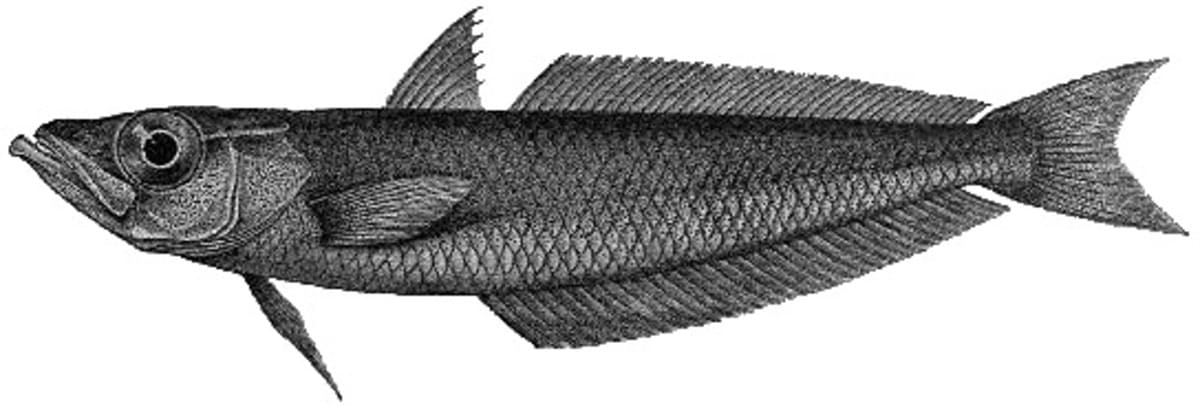
Antarctic silverfish (Pleuragramma antarcticum) are the true pelagic fish species among notothenioids, spending their entire life cycle in the water column without relying on the seafloor at all. Antarctic predators love these roughly 13- to 15-centimeter-long (five to six-inch) delicacies, but when not eaten by a hungry penguin, seal, whale, or seabird, Antarctic silverfish can live up to 20 years! During their early years, silverfish feed on copepods and krill, but as they grow, they shift to larger prey such as smaller fish and crustaceans. They reach reproductive age at around six to seven years. Antarctic silverfish are one of the major plankton-to-apex predator links in the Antarctic ecosystem, distributing the energy produced by phytoplankton and krill (by consuming them) to the larger animals such as seals, penguins, and whales (by being eaten).
The Antarctic dragonfish (Bathydraconidae) is the benthic opposite of the Antarctic silverfish, living near the seafloor and preying on small invertebrates and other bottom-dwelling life. This two- to 50-centimeter-long notothenioid reaches maturity at around three to four years of age. And these fish are an important indicator of ecosystem health! Declines in certain dragonfish populations can indicate a warming of waters or changes in sea-ice cover.
Conservation Threats: Climate Change & King Crab Invasion
With species specifically adapted to the icy Antarctic waters, ocean warming and climate change present a grave threat to the fragile marine ecosystem. As surface and deeper waters slowly warm, especially around the western parts of the Antarctic Peninsula, the natural cold barrier that once protected the shelf from invading species is becoming patchy. Richard Aronson, a professor at the Florida Institute of Technology, explained in a 2015 article in the Pacific Standard that while at the time crabs were still absent from the coasts of the Antarctic Peninsula, king crabs had been discovered on the continental slope, just below the outer edges of the shelf. A 2020 study by Sven Thatje, published in the Ecological Society of America, also found through over 15 years of research that with global warming, crabs, which haven’t lived in Antarctica for at least 16 million years, may be due for a comeback. And with no natural predators, an Antarctic king crab invasion could harm and potentially change the structure of the Antarctic shelf ecosystem as we know it.
“It’s not that the number of species necessarily will go down on the Antarctic seafloor – though it might – but the Antarctic communities would lose their unique character and become more like marine communities everywhere else in the world,” noted Rich Aronson, marine science professor at Florida Tech, in a 2020 publication by Florida Tech News.
Remarkable Discoveries & Ongoing Research
Did you know that the Antarctic ecosystem still holds a few mysteries waiting to be discovered? We’ve collected some of our favorite findings and scientific discoveries among the incredibly adapted dwellers of Antarctica:
Hairy-Chested Yeti Crab
In 2015 scientists discovered a new species of yeti crab in Antarctica near the East Scotia Ridge, where near-freezing waters meet hydrothermal deep-sea volcanic vents spewing superheated, mineral-rich fluids into the ocean. Utilizing the narrow band where temperatures are neither too hot nor too cold, these crabs were found piling up at densities of more than 700 individuals per square meter (11 square feet). Their hairy chests, which earned them the iconic nickname “Hoff crab” (in homage to David Hasselhoff in Baywatch), are covered in bristles that cultivate bacteria, which the crabs farm and then consume.
Icy Water Bears, Spiders & Worms
A 2019 deep-drilling project into the subglacial ice-covered Lake Mercer revealed a surprisingly diverse pool of life forms, from crustacean-type beings and spiders to worms and tardigrades. These specimens were able to thrive despite the lack of sunlight, locked around one kilometer (over half a mile) beneath the ice.
Subglacial Crustaceans
In 2022, a New Zealand research team discovered swarms of shrimp-like creatures in an estuary roughly 500 meters (1,600 feet) below the ice. This hidden ecosystem, where glacial meltwater (usually from subglacial rivers) meets salty ocean water, was found teeming with amphipods, little creatures similar to lobsters, crabs, and mites.
Conclusion
The story of the unique Antarctic ecosystem is a tale written by the powerful Antarctic Circumpolar Current, which began circling the continent more than 30 million years ago. By isolating Antarctica from warmer waters, species had to get creative and adapt to the extreme cold or perish. One group of these evolutionary masters are the notothenioids: fish that produce antifreeze proteins in their blood, pump oxygen through their vascular systems with little or no hemoglobin, and thrive in the subzero waters. Today, they dominate more than 90 percent of the fish biomass in the region.
The extraordinary Antarctic food web creates a perfectly tuned system – from phytoplankton and krill to diverse fish species, penguins, seals, and whales. But as ocean temperatures rise, the million-year-old cold barrier that keeps invasive species out of Antarctica is weakening, allowing king crabs and other predators to inch southward. Without natural predators, these newcomers pose a serious threat to the unique ecosystem that has developed over millions of years in one of the most hostile environments on Earth.
Frequently Asked Questions
What allows Antarctic fish to survive in water with subzero temperatures?
Special antifreeze glycoproteins that bind ice crystals in the blood and prevent their growth allow Antarctic fish to survive in subzero Antarctic waters. These species evolved as the Southern Ocean cooled and the Antarctic Circumpolar Current began to isolate the region from warmer waters around 40 million years ago.
Why are crocodile icefish called "white-blooded fish"?
Crocodile icefish are the only vertebrates lacking hemoglobin, thus lacking the red color in their blood. Therefore, their blood appears colorless and translucent. As the cold Antarctic waters have high dissolved oxygen, they can survive without the oxygen-binding protein found in red blood cells.
How does Antarctic toothfish compare to sharks?
Antarctic toothfish are often called the “sharks of Antarctica” and occupy an apex predator role similar to mid-sized sharks, feeding on fish and cephalopods. They feature prominent and sharp teeth and can reach lengths of up to two meters (six and a half feet).
What makes Antarctic krill so important?
Antarctic krill is a keystone species of the region, roughly about six centimeters (2.5 inches) in length and representing around 380 to 400 million tons of biomass. They form the base of the Southern Ocean food web, sustaining whales, seals, penguins, and seabirds. They also play a vital role in the carbon cycle by carbon sequestration, transporting vast amounts of carbon to the deep ocean.
Are Antarctic and Patagonian toothfish the same?
They are separate species, both commercially known as “Chilean sea bass.” Antarctic toothfish generally live south of 60 degrees south latitude, while Patagonian toothfish live in sub-Antarctic waters, as they lack the antifreeze glycoproteins of their Antarctic cousins.
What threatens Antarctic fish today?
Antarctic fish are endangered by overfishing, especially the highly sought-out toothfish, sold as “Chilean sea bass” at markets around the world. Climate change threatens not just their habitat but also enables invasive species, such as the king crab, to move into Antarctic waters, threatening the defenseless local fauna.
Is commercial fishing allowed in Antarctica?
While not illegal, commercial fishing is regulated. Annual quotas ensure that toothfish populations, usually sold under the name “Chilean sea bass,” remain stable, as they have a slow reproduction cycle.
Can humans eat krill?
Yes, although it’s not a staple food in most cultures. You can taste Antarctic krill in Japan, where it is sold seasoned and preserved under the name “okiami.” You can also find it in parts of Russian, Philippine, and Southeast Asian cuisine. They are high in omega-3 fatty acids and, with nearly 400 million tons of biomass in the world’s oceans, have the potential to be a nutritious food source. Generally, krill is the ecological keystone sustaining penguins, whales, seals, and seabirds in the Antarctic region.
Related Cruises
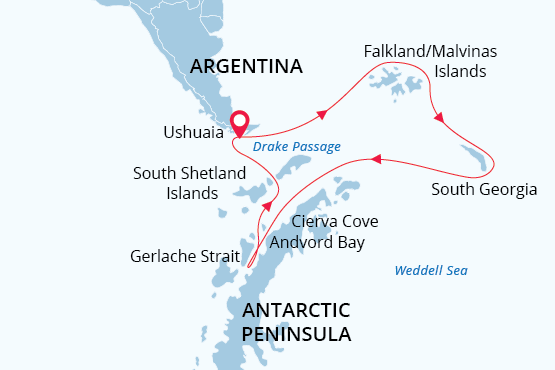
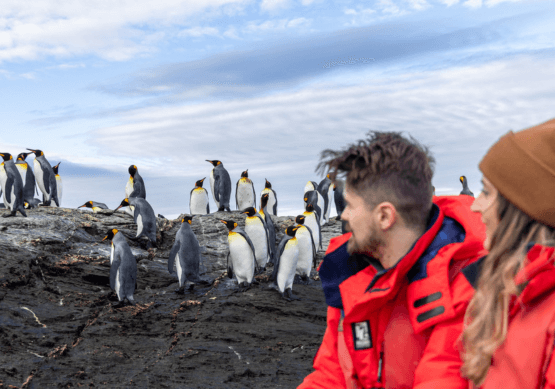
Falklands, South Georgia & Antarctica


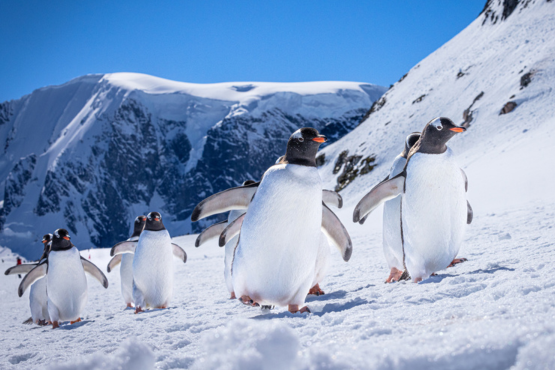
Antarctic Peninsula


.png)
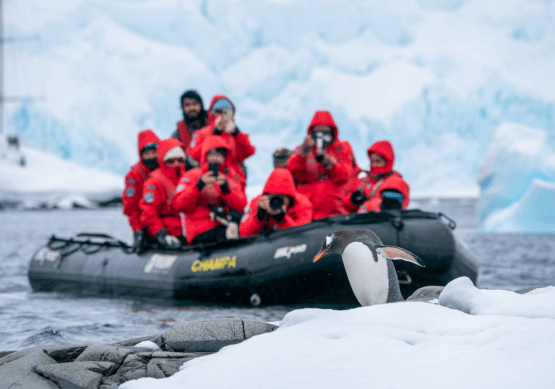
Antarctic Circle