Can you go to Antarctica? Checklist for travelers
Yes, you can absolutely travel to Antarctica! While the continent is incredibly remote, it’s much more accessible than you think. You can reach Antarctica by plane or aboard a cruise ship to discover the incredibly beautiful Antarctic Peninsula region. According to the International Association of Antarctica Tour Operators (IAATO), around 113,500 tourists visited the Antarctic region during 2025 and 2026, and you can be one of them. While you can’t just pack your bags and hitchhike (or stow-away) to Antarctica, it’s actually quite easy to organize a trip. You’ll have to book airfare to the departure port, Ushuaia or Buenos Aires in Argentina, since most expeditions leave from there. You won’t need a visa, but you do need to get permission to set foot on the White Continent. But don’t worry! Your trusted polar expedition cruise operator will arrange for all necessary permits. All you need to bring is yourself, your equipment, an average level of fitness, and your adventurous spirit!
This guide will give you all you need to know to choose the right Antarctic adventure.
Key Takeaways
It’s more accessible than you think…
You don’t need to be an extreme traveler to visit - you can go to Antarctica by ship or by plane.
Choose the best adventure…
One of the most exciting ways to explore is aboard a real expedition cruise! You can get to Antarctica aboard a small ship with only around 100 travelers aboard and discover the beautiful Antarctic Peninsula region.
Timing is everything…
November to February is the prime time for Antarctic cruises. If you want to see Antarctica awakening after a long winter, earlier cruises in November are the best. December and January are perfect to see penguins mating and chicks hatching, and the best time for whale watching (seeing species such as blue whales) is February to March.
Basic Antarctica travel restrictions
The good news is that there aren’t too many hoops to jump through to visit Antarctica. Once you reach the departure port and board our small expedition ship, we’ll take care of all permits, accommodation, excursions, delicious gourmet meals, workshops, seminars, entertainment, and anything that will make your experience outstanding. What do we need from you? You’ll have to arrange airfare from your place of residence, purchase travel insurance, and obtain a visa to enter Argentina if necessary. But don’t worry, we can assist with this leg of your journey as well. Let us know if you need help with corresponding with the respective consulates or advice on booking flights. We are a highly experienced polar cruise operator, and we know how to help take the burden off. Oh, and by the way, the first night prior to our cruise is on us – we’ll book you into a quality hotel at the departure port.
Сan you go to Antarctica without special permission?
You’ll definitely need to get a permit for exploring this beautiful polar gem, but we’ve got you covered. As one of the top polar expedition cruise operators, we’ll organize everything you need to get to Antarctica.
Here is what you’ll have to take care of yourself (…but please feel free to contact us for support):
- Airfare to and from our departure port Ushuaia/Buenos Aires in Argentina (depending on the cruise): price depends on your country/place of residence.
- Visa for entering Argentina: usually around 150 USD at your local consulate (this may vary and higher fees may apply if you arrange it via a visa agency).
Travel insurance
Comprehensive Antarctica travel insurance is a must on all expedition cruises to the White Continent. As the region is incredibly remote with limited medical facilities, every traveler must purchase a comprehensive insurance policy, including medical evacuation coverage, specifically covering travel to Antarctica and other polar regions. Before you board your expedition ship, you will be asked to show proof of insurance that meets the tour operator’s requirements.
We at Poseidon Expeditions require that all of our travelers have insurance that includes trips to polar regions, emergency evacuation, and repatriation, with medical evacuation coverage of at least USD 200,000. Regular travel insurance policies often do not cover trips to the polar regions or full medical evacuation, so make sure you find the right policy. Emergency repatriation, including helicopter evacuation, may only be offered as an optional add-on, but is mandatory for all of our expeditions. If you plan to book kayaking, check that your insurance also covers such activities. Please arrange your insurance well before your trip starts and feel free to contact us to confirm that you have the right level of coverage. Make sure you have your insurance booked well before your final cruise payment to ensure you have the appropriate coverage.
When comparing insurance plans, look beyond basic medical coverage. Check for emergency medical treatment, medical evacuation, emergency repatriation, and trip cancellation and interruption. While we have an onboard ship doctor, in the event of a serious illness or injury, you may have to be evacuated by ship, aircraft, or helicopter. Such operations are very expensive when paid out of pocket, so a comprehensive insurance policy is essential.
.jpg "Basic Antarctica travel restrictions")
Up close, but not too close…
“Visiting Antarctica is a privilege and we all have a responsibility to keep it pristine.” (Lisa Kelly, Executive Director, IAATO)
Your trip to Antarctica is going to be an amazing experience, and to ensure that your visit is also pleasant to the locals (cute penguins, seals and other incredible wildlife), we strictly follow the IAATO guidelines on wildlife encounters during the cruise, landings, Zodiac cruises, and strict no-waste policies. As an IAATO member since 2011, we adhere strictly to their policies on wildlife watching and polar travel. This also includes keeping a safe distance of 15 to 25 meters from wildlife, as well as measures to restrict any pollution, contamination, and disturbance of the delicate ecosystem. You can read more about proper IAATO Antarctic etiquette here.
Environmentally committed travel
“IAATO has done a very good job of policing the tour operators that come to Antarctica. These members buy into a very strong environmental ethic, agreeing to both police themselves and serve as environmental stewards of the Antarctic. They want their cruise guests to learn about the sensitivity of the environment; they want them to be aware of how the climate is changing and how we play a role in that.” (Dr. James McClintock, Polar Marine Biologist, in an interview for Condé Nast Traveler, 2018).
A 2025 report published in the Journal of Sustainable Tourism estimates visitor numbers to Antarctica to grow to 452,000 by the 2033-34 season. Visiting the delicate Antarctic region means an ongoing commitment to sustainable tourism by both visitors and tour operators. As a member of the IAATO, we are constantly working on helping to keep the region pristine. While a study published in Nature Communications in 2022 found that popular Antarctic landing sites show two to four times higher black carbon levels compared to non-landing sites, the levels are still well below other popular remote regions on the planet. According to the study, remote regions in the Arctic, North America, the Tibetan Plateau, the Andes, and the Himalayas feature a higher black carbon content.
And while tourist numbers are unlikely to fall, regulations implemented by the International Maritime Organization (IMO) and IAATO are continuously working to combat environmental threats. As the 2025 study in the Journal of Sustainable Tourism suggests, the ban on heavy fuel oil in Antarctic waters since August 2011 may have improved the environmental impact over the past decade.
How do you get to Antarctica?
There are lots of ways to get there, but let’s focus on the most convenient ones. After all, you’re looking for a fun adventure and not an arduous and difficult journey. And, please, do not attempt to make it to Antarctica on your own homemade raft….
Flying
If you want to be able to say you visited Antarctica and take some beautiful pictures to prove your conquest, you can choose a charter flight to the White Continent. Some operators offer to fly directly to the Antarctic Peninsula and then just board a short cruise around the area. This is an option for those who absolutely cannot overcome seasickness and want to skip the Drake Passage.
Cruise
Want the real deal? Book a full expedition cruise to Antarctica! Trust us, this is the right way to discover it and will make for the best memories that last a lifetime. You’ll experience a real polar expedition aboard a small 114-passenger expedition ship, visit lectures and workshops, join citizen science projects, cruise in Zodiac boats, , land on beautiful beaches and shores, and enjoy unbelievable views and wildlife. Depending on your budget and availability, we have three epic Antarctic cruise itineraries for you:
.jpg "How do you visit Antarctica?")
Classic Antarctica Peninsula Cruise
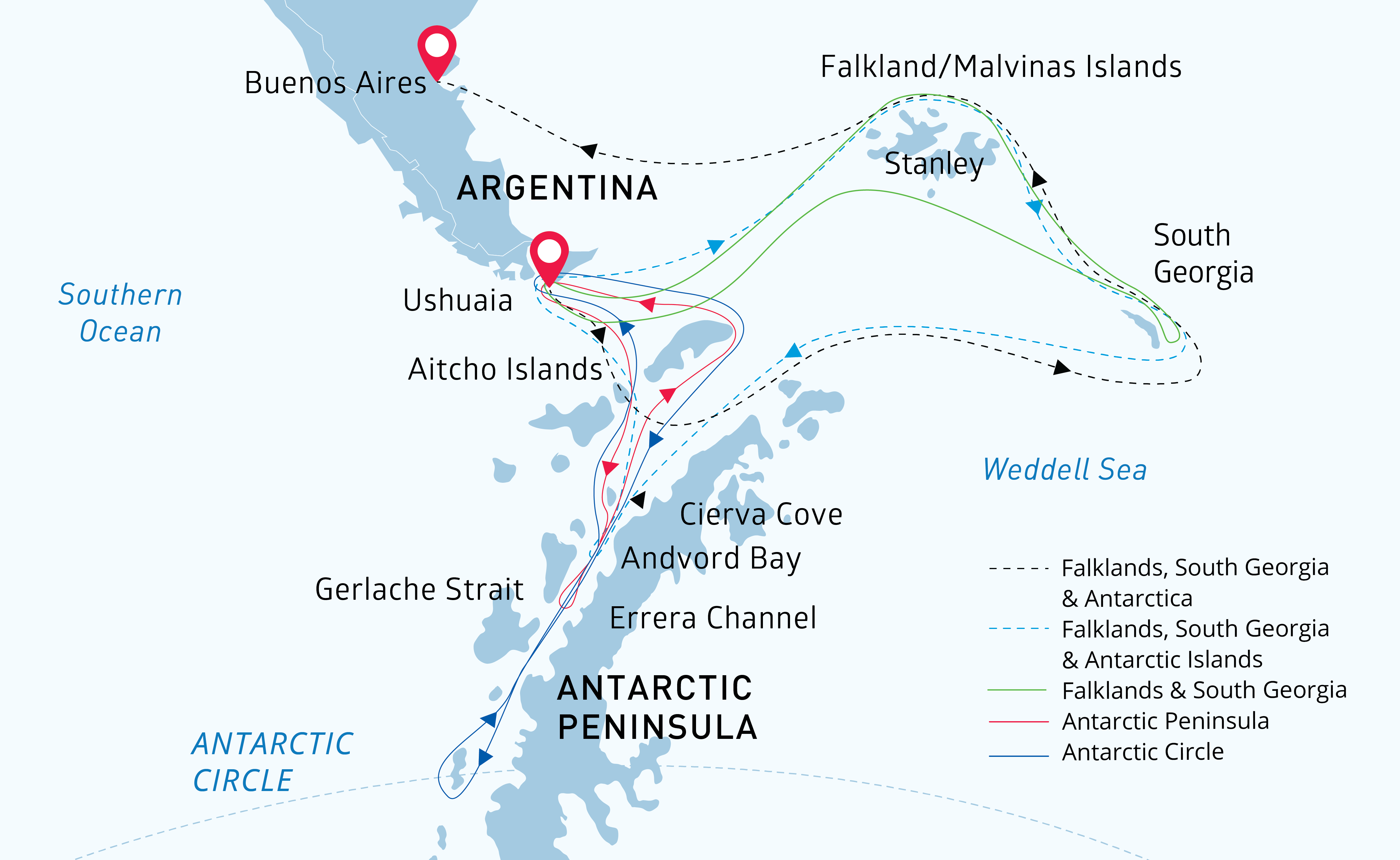
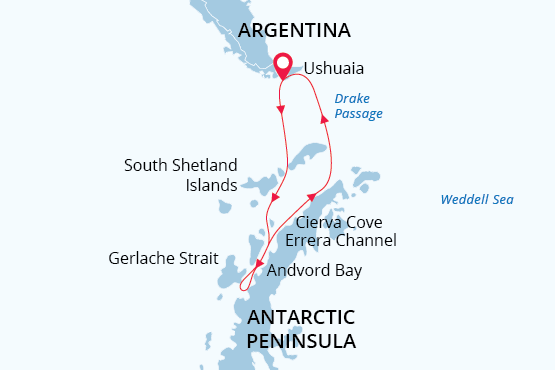
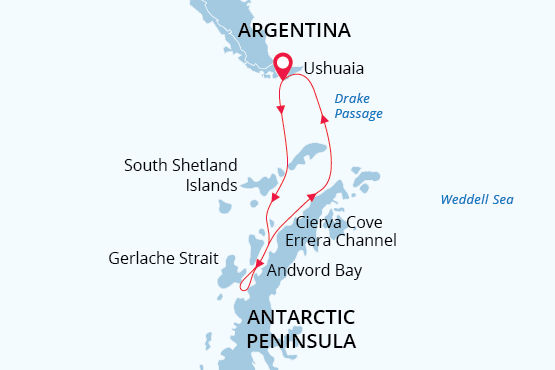
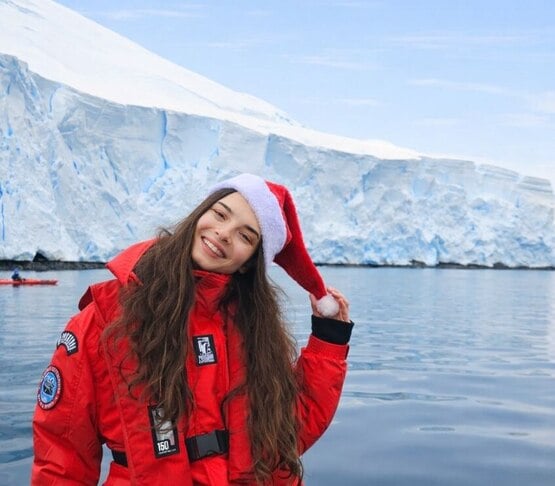
Cruise aboard the Sea Spirit straight to the Antarctic Peninsula, crossing the infamous Drake Passage. See iconic wildlife and icebergs and set foot on the White Continent. This is an 11–12-day cruise for those who are on a budget and have limited time to explore. This departure also has a special Christmas and New Year cruise option! Choose your Antarctica cruise!
Crossing the Antarctic Circle Voyage
Journey to the Antarctic Circle and see the highlights of the Antarctic Peninsula in 15 days. Depending on sea ice conditions, the expedition attempts to cross 66 degrees south latitude (the Antarctic Circle), defined as the point where the sun does not set during the austral summer solstice. Crossing this invisible line is a milestone for seasoned explorers, and an achievement that many of our travelers dream to accomplish. While cruising south on the Antarctic Peninsula, you’ll get a glimpse of the isolation and bleak landscapes of the continent. While reaching 66 degrees south is never guaranteed, the cruise is timed during the height of the austral summer, when weather and ice conditions are at their most favorable.
Unlike classic Antarctic Peninsula cruises, which typically last 11 or 12 days, this expedition allows more time to travel deeper into the White Continent. The additional days make it possible to attempt more shore landings and Zodiac cruises with 24 hours of daylight. This cruise is timed for January and February, when sea ice recedes and cruises further south are possible. During the early and late austral summer, sea ice still prevents cruise ships from access to more southerly destinations. After crossing the Antarctic Circle, we will celebrate the accomplishment aboard, and you will also get a certificate to remember this iconic journey.
Comprehensive Wildlife Expedition
Got some time? Want to see it all? Then we recommend the most unique cruise there is: Falklands, South Georgia Island, and Antarctic Peninsula. This will lead you from the lush green homesteads and quaint British flair of the Falklands, via South Georgia (paradise on Earth with iconic wildlife and breathtaking scenery) to the Antarctic Peninsula. Reserve 21-23 days for this epic cruise and be prepared for the adventure of a lifetime! Learn more about our Antarctic wildlife adventure cruises.
Visit Antarctica with a polar cruise operator
It’s all about the right organization. Even if you normally travel on your own and explore off the beaten path, you will need a professional to make your Antarctica cruise magical. But how to find the best polar expedition cruise provider for the adventure of a lifetime?
Size matters! Check that your cruise ship is small but comfortable, like, for example, our 114-passenger expedition ship, M/V Sea Spirit. All guests can explore simultaneously, either ashore or in Zodiac boats. This maximizes the time spent discovering the highlights of the region with our experienced expedition team of naturalists, biologists, geologists, and historians, with up to three off-ship activities per day, each lasting around 2.5 hours. Most expedition ships also feature comfortable cabins of various comfort levels, lecture halls, gourmet restaurants, a polar library, gym, bar and a fleet of kayaks and small inflatable Zodiac boats for sea excursions and landings.
Experience is key! Choose a cruise provider with many years of experience in the polar regions. This is specifically important because you want everything to run smoothly in such remote places. Real professionals will also know exactly where to spot wildlife, the best areas to land, and how to make it the trip of your life. With over 27 years of polar experience, Poseidon Expeditions’ team has been organizing polar expedition cruises since 1999 and knows how to turn each expedition into a unique experience.
.jpg "How to get to Antarctica")
Antarctica Beyond the Peninsula – Alternative Expedition Routes
For most first-time polar travelers, the Antarctic Peninsula is the perfect introduction to the White Continent. For returning visitors and seasoned polar travelers wanting to venture off the beaten path, alternative expedition routes provide a different perspective on Antarctica. These voyages reach some of Antarctica’s most remote regions and usually need more time to explore.
South Shetland Islands
Located approximately 120 km (75 miles) north of the Antarctic Peninsula, the South Shetland Islands are the first Antarctic landfall for most cruises crossing the Drake Passage. They are rarely the sole destination of a voyage and are usually visited in combination with the Antarctic Peninsula. The islands offer a mix of dramatic volcanic landscapes, abundant wildlife, and polar history. Deception Island is a flooded caldera, featuring black-sand beaches, abandoned whaling stations, and research facilities. King George Island, the largest island on the archipelago, is home to several international scientific stations and gives you a glimpse into the international research efforts taking place in Antarctica.
Weddell Sea
Stretching along the eastern side of the Antarctic Peninsula, the Weddell Sea is known for its extensive sea ice and tabular icebergs. The region is historically significant, as it was here that Sir Ernest Shackleton’s ship, Endurance, became trapped and crushed by sea ice in 1915. The area around Snow Hill Island is one of the most accessible places to see emperor penguins, which breed exclusively on dense sea ice.
Ross Sea
On the opposite side of Antarctica, south of Australia, lies the legendary Ross Sea, one of the continent’s most remote and least-visited regions. Expeditions to the Ross Sea typically last more than 20 days and require more time at sea than classic Antarctic Peninsula voyages. Travelers passionate about Antarctica’s Heroic Age of Exploration can visit the remarkably preserved expedition huts of Robert Falcon Scott and Ernest Shackleton around McMurdo Sound. Nearby, you’ll find one of the most spectacular natural ice formations, the immense Ross Ice Shelf, while Mount Erebus, the southernmost active volcano on Earth, towers above Ross Island. Some specialty expeditions visit the McMurdo Dry Valleys, the largest ice-free region in Antarctica and one of the closest environments on Earth to the surface of Mars.
Start planning your polar expedition
Join us on an unforgettable expedition to discover the wonders you've just read about
or download our free brochure
How do you visit Antarctica?
Preparing and packing list Your heart is set and you are ready to go. But how to start preparing for your big adventure in Antarctica? Use our checklist for first-time travelers.
1. Contact the polar cruise tour operator of your choice. You can also call or write a direct message. At Poseidon Expeditions, we’re delighted to help you personally find the best cruise that suits your taste of adventure, budget, and time frame.
2. Choose your cruise. Select the itinerary, departure date, cabin category and don’t forget to book additional activities such as camping or kayaking in Antarctica. There are only a few spots on each cruise and you wouldn’t want to miss out.
3. Get your visas (if applicable), travel insurance and book your flights.
4. Get your gear. Packing for your Antarctica expedition is much easier than you might think. The secret to staying warm and comfortable is dressing in layers and considering the changing weather conditions. Even in just a few hours ashore, temperatures, wind, and sea conditions can change quickly. Here is what we recommend bringing with you:
- Clothing: Dress in Layers. Follow a three-layer system. Start with a thermal base layer made from merino wool or a synthetic fabric. Avoid cotton, as it absorbs moisture and dries slowly when wet. Add a warm but breathable middle layer, such as polar fleece or a lightweight down jacket, which will keep you warm without overheating during hikes or Zodiac excursions. Finish with a windproof and waterproof outer layer (jacket and pants). Don’t forget to pack a warm hat, gloves, wool socks, sunglasses with UV protection, and sunscreen.
- For Shore Landings: Pack a Day Bag. Bring a small waterproof or highly water-resistant backpack with a capacity of around 15 to 20 liters. This will hold your reusable water bottle, SPF 50+ sunscreen, spare gloves, hat, and personal medication, as well as your camera gear. This will keep your belongings dry and protected from sea spray aboard Zodiac boats.
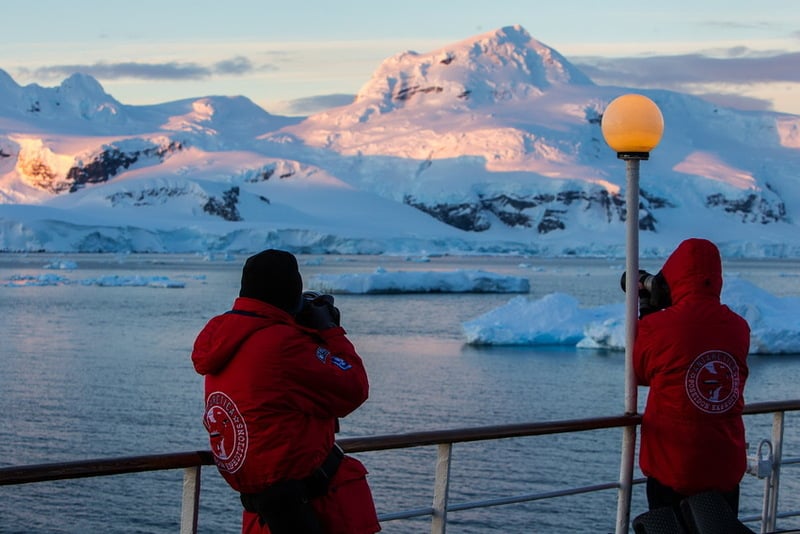
- Special Photography Equipment. Whether you are a professional or a beginner, ensure you bring your camera equipment with sufficient spare batteries. In colder temperatures, batteries drain much faster than normal. We recommend keeping them in the inside pockets of your clothes, close to your body, to preserve their charge. Bring a waterproof camera bag to protect your equipment from snow and sea spray, and make sure your bag is designed to provide easy access to your equipment, so you won’t spend a lot of time searching through your things while walking ashore or cruising in Zodiacs.
- Branded Poseidon Expedition Parka. We provide you with rubber boots for all shore landings, which are yours to use throughout the voyage. You’ll also receive a warm expedition parka designed for polar conditions, which is yours to keep as a souvenir. We recommend packing comfortable shoes and casual clothing for relaxing onboard between excursions, as well as one smart casual outfit for the Captain’s Welcome Reception and Farewell Dinner.
5. Come aboard and start your adventure. Once your trip is confirmed, you’ll make your way to the departure port where we’ll meet you!
How to get to Antarctica
There are lots of ways to get there, but let’s focus on the most convenient ones. After all, you’re looking for a fun adventure and not an arduous and difficult journey. The best way to get to Antarctica is aboard a cruise. You can ditch sailing the icy seas and crossing the Drake Passage by taking a plane, for example, from Punta Arenas (Chile) to King George Island. But, whatever you choose, please do not attempt to make it to Antarctica on your own homemade raft….
How to get to Antarctica from the USA
Direct flights from major US capitals will take you to Buenos Aires in around 11-12 hours. In case your cruise departs from Ushuaia, you will need to board another flight (about 4 hours) to reach the southern tip of Argentina.
How to get to Antarctica from the UK
Your journey will start with one or several international flights to reach South America, where cruise ships depart from ports like Ushuaia and Buenos Aires. You can book a direct flight from London to Buenos Aires, which will get you there in around 14 hours. Options via Madrid tend to be cheaper, but your travel time may be longer. If you depart your cruise in Ushuaia, budget for another 4-hour flight from Buenos Aires.
How to get to Antarctica from Canada
From Toronto, you will usually have to change planes at least once (for example, in Santiago de Chile, New York or Miami) to reach Buenos Aires. Travel time is approximately 14 hours. Add 4 hours more by plane to your travel schedule in case your cruise leaves from Ushuaia.
How to get to Antarctica from Australia
To reach the departure ports in Ushuaia and Buenos Aires, schedule about 1-2 days’ travel time when coming from Australia. Flights leave Sydney and arrive in Buenos Aires with at least one stopover (when transferring through the US) or two stopovers (via transfers in New Zealand and Chile). Add another 4 hours by plane if you’re starting your cruise in Ushuaia.
.jpg "An unforgettable Antarctic adventure with memories that last a lifetime")
Top 7 reasons to visit Antarctica
Incredible wildlife sightings
Visiting Antarctica will let you discover the amazing fauna! See penguins (including king penguins on South Georgia Island), marine mammals such as elephant and fur seals, and the whales that roam the Antarctic waters.
A birders paradise
Albatrosses, snow petrels, skuas, Antarctic shags – see rare seabirds in their natural habitat. A stop on the Falkland Islands with their abundance of rare species is a must for bird lovers!
Heroic exploration history
Follow in the footsteps of your favorite polar explorers and learn about their bravery (such as the survival story of Shackleton’s expedition, after its ship, the Endurance, got stuck in pack ice in the Weddell Sea).
Icebergs, mountains, and glaciers
See the biggest icebergs, dramatic mountain ranges, sea ice and incredible bays. It’s a dream come true for professional and amateur photographers.
Diverse polar landscapes
Depending on the cruise you choose, you will not only explore the Antarctic Continent and the Antarctic Peninsula, but also and the subantarctic islands. See the differences in climate, weather, and wildlife.
A unique place that belongs to no country
Visit this amazing place that belongs to no nation in the world, but is utilized for Antarctic research, peaceful and scientific use only, in accordance with the Antarctica treaty.
An unforgettable Antarctic adventure with memories that last a lifetime
It's incredibly remote, and few people set foot on the continent. Meet like-minded travelers from all over the world and get your bragging rights for reaching Antarctica.
Embarking on a cruise to the Arctic or Antarctica is a once-in-a-lifetime adventure that will leave you awestruck and inspired.
Feel free to book any of our Antarctic cruises.
Begin with the classic Antarctic journey, immersing yourself in the charm of penguins, icebergs, and an exclusive 11-day experience.
Or choose our Christmas expedition, where you can explore the Antarctic Peninsula during its most magical time.
Christmas & New Year in Antarctica
If you're dreaming of the ultimate journey, join our Antarctic Wildlife adventure, which takes you to Falkland Island, South Georgia, South Shetland Island, and the Antarctic Peninsula in one cruise.
Falklands, South Georgia & Antarctica
Antarctic Wildlife Viewing Guide
Antarctica’s iconic wildlife is one of the major reasons people travel to the White Continent. Which wildlife you will see depends largely on where you travel and when you visit. Different regions are home to different penguin species, whales arrive later in the austral summer season, and some animals can only be seen on specific itineraries.
Penguins
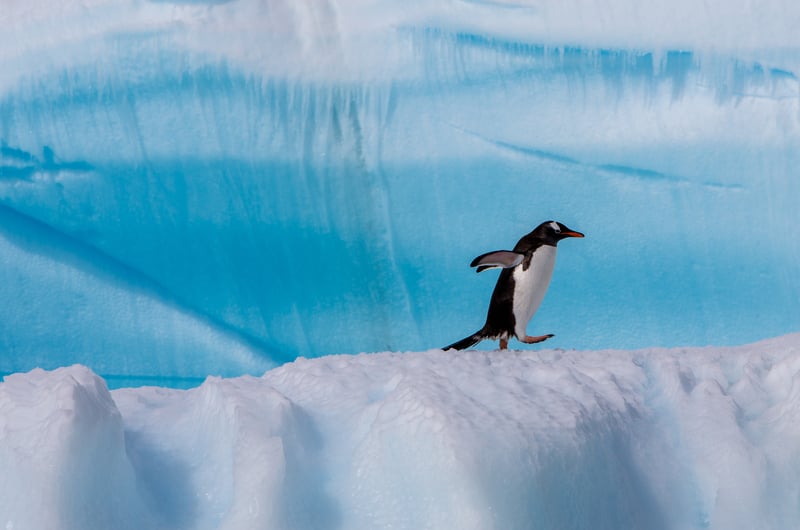
Antarctica and the subantarctic islands are home to seven penguin species. On most of our Antarctic Peninsula departures, you’ll be able to spot Adélie, gentoo, and chinstrap penguins. While gentoo penguins can be seen throughout the expedition season around the Antarctic Peninsula and the subantarctic islands, November to January is the best time to spot Adélie penguins. Chinstrap penguin colonies are at their busiest from December through January. Emperor penguins breed exclusively on sea ice, and the only way to see them is on a specialized expedition to the Weddell Sea and Snow Hill Island.
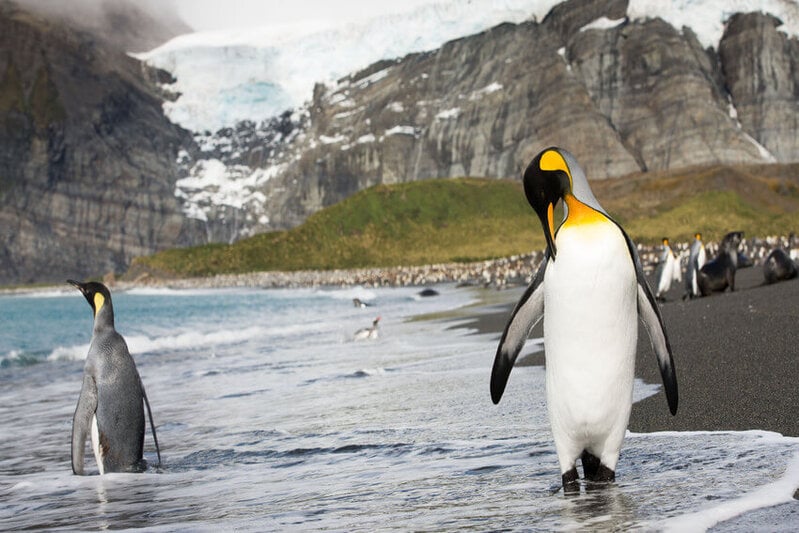
If you dream of seeing the most penguin species in one trip, add South Georgia and the Falkland Islands to your itinerary. On South Georgia, you’ll find vast colonies of king penguins at landing sites such as Salisbury Plain and especially at St. Andrews Bay, with an estimated 250,000 breeding pairs. The Falkland Islands are a paradise for birders, as well as penguin lovers, and are home to gentoo, rockhopper, and macaroni penguins.
Travel during November if you are interested in observing penguin courtship displays and nest building. During December and January, eggs hatch and you’ll see busy parents attending to their hungry chicks, and by February, the fluffy chicks are growing rapidly and becoming independent.
Whales and Seals
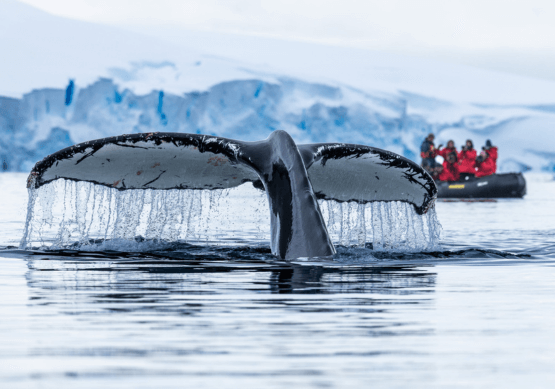
During the height of the austral summer, marine mammals become more abundant in the Antarctic region. Humpback whales return to their Antarctic feeding grounds during February and March. You may encounter orcas throughout the season, particularly near sea ice. Leopard seals are often seen resting on ice floes near the Antarctic Peninsula, while southern elephant seals and Antarctic fur seals are abundant on the beaches of South Georgia.
Seabirds
The Antarctic Peninsula, especially on extended itineraries to the Falkland Islands and South Georgia, are the perfect destination for bird enthusiasts. Spot species such as snow petrels and skuas, while the Falklands and South Georgia are among the best places in the world to observe albatrosses.
Watching Wildlife Responsibly
Antarctica’s wildlife is remarkably curious, and it’s not uncommon for a charming penguin to waddle up to you during a shore hike. As a responsible polar tour operator, we always advocate for observing wildlife respectfully. Under IAATO guidelines, travelers are required to maintain a distance of around 15 to 25 m (ca. 50 to 82 feet), depending on the species and conditions. In order to make the most of wildlife encounters, we recommend standing quietly and waiting for animals to go about their natural behavior. Seals and penguins may approach on their own, and our expedition team ensures that encounters remain safe for animals and travelers. As a partner of Oceanites, we contribute to Antarctic penguin research and monitoring on every voyage, helping scientists better understand and protect these iconic Antarctic species.
FAQ
How much does it cost to go to Antarctica?
Prices depend on voyage durations and itineraries, but you can book a cruise to the Antarctic Peninsula starting from ca. $11,700 for the 2026-27 polar cruising season. Additional activities can be booked upon request. And while we can’t offer diving in the icy waters, we do offer kayaking and camping in Antarctica!
How far is Antarctica from South America?
Cruise ships cross from South America to Antarctica in around 50 hours (crossing the Drake Passage).
Can you legally go to Antarctica?
Yes, you don’t need a visa and the permit that is needed will be organized by your polar expedition cruise operator.
Why is no one allowed to go to Antarctica?
You are, in fact, allowed to go to Antarctica, but you have to book an Antarctic expedition tour or cruise with a licensed operator. You cannot book a regular flight to Antarctica.
Why can't you fly over Antarctica?
While it’s not illegal to fly over the continent, it can be challenging due to factors such as extreme weather conditions and lack of infrastructure. Most airlines deem it impractical and costly to operate routes over Antarctica.
Why can't you go to Antarctica with wisdom teeth?
You do not need your wisdom teeth removed if you visit Antarctica as a tourist or as part of a scientific research mission. That said, problematic or impacted wisdom teeth should be extracted before a work deployment, given the limited dental care on the continent.
Are there hotels in Antarctica?
There are no traditional hotels in Antarctica. Tourists can either choose luxury camp-style accommodations on the continent, or visit as part of an expedition cruise. Most cruise ships offer hotel-style accommodation, with all the amenities that you would expect in a regular hotel on shore.
What happens if you go to Antarctica without permission?
Visiting Antarctica without a permission is illegal and would result in fines or even imprisonment. The Antarctic Treaty’s Protocol requires permits for all human activities in Antarctica. If you travel as part of a commercial tour, your tour operator will arrange all required permits. In case you’re planning an independent Antarctic expedition, you need to obtain a permit via a signatory country of the Antarctic Treaty.
Related Cruises
Antarctica


Classic Antarctica
Christmas & New Year in Antarctica