What Are the Different Antarctica Cruise Routes: Expert Guide to Polar Expedition Itineraries
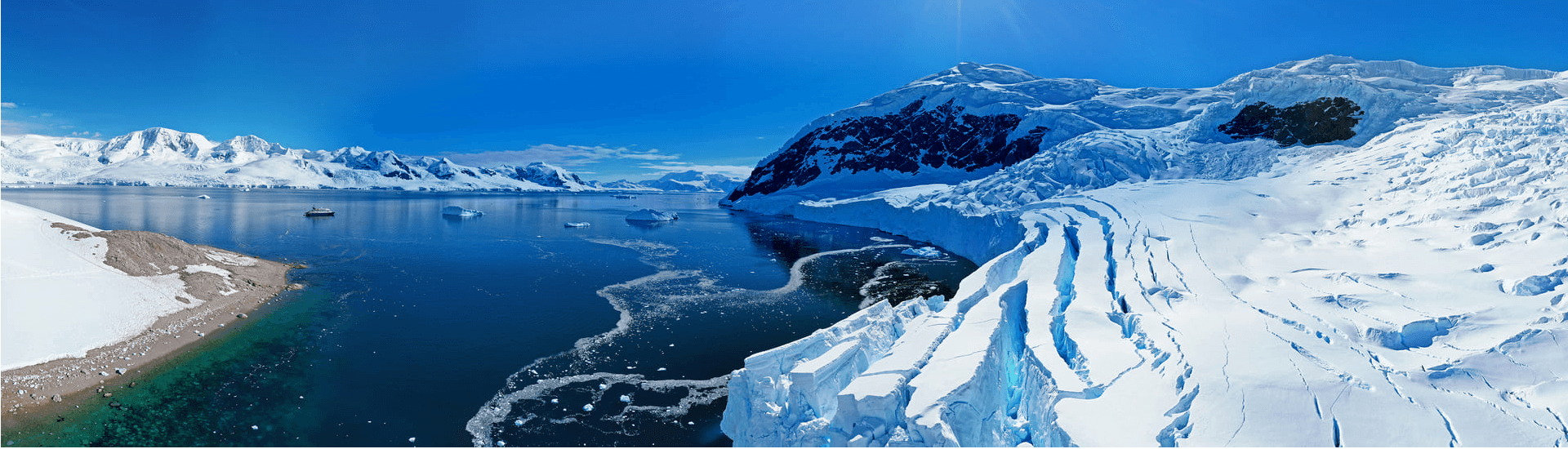
Antarctica cruise routes range from classic Antarctic Peninsula voyages to extended expeditions including South Georgia and the Falkland Islands. Each itinerary offers a different way to experience the White Continent and choosing the right route determines what you will see, and what type of polar adventure you will have. From vast, ice-covered landscapes and remote islands to extraordinary wildlife habitats and sites where exploration history was made – your chosen cruise will reveal a unique part of the Antarctic region.
If you are planning an Antarctica cruise, understanding the differences between routes is essential. The Antarctic Peninsula is the most accessible part of the continent for visitors, and crossing the legendary Drake Passage by ship is an adventure in and of itself. Extended expeditions may continue to South Georgia, famous for its enormous king penguin colonies and rich history, or to remote regions such as the Antarctic Circle, Weddell and Ross Seas.
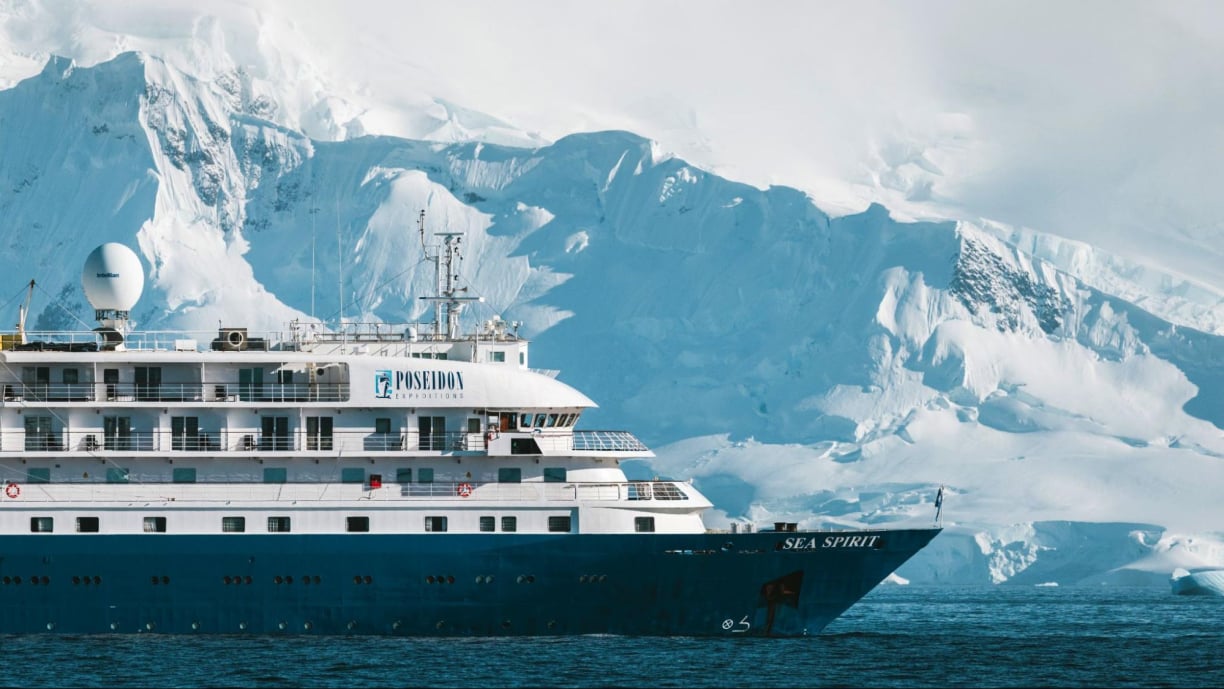
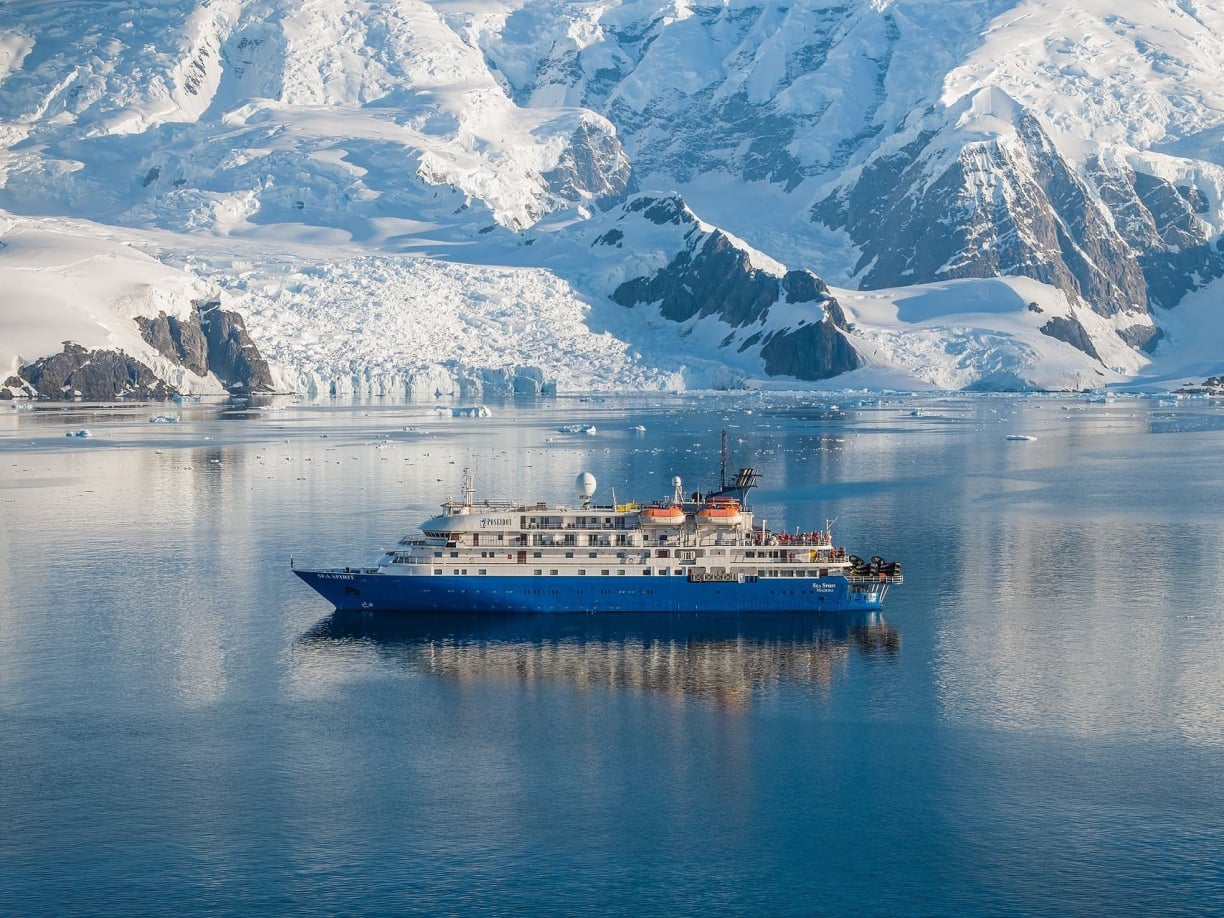
From classic Antarctic Peninsula cruises to extended South Georgia and Falklands itineraries, we offer various cruise options aboard the 114-passenger M/V Sea Spirit, a small ship designed for authentic expedition voyages. All guests can go ashore simultaneously, maximizing exploration time with up to three landings a day, each lasting around 2.5 hours, regardless of which route you choose. Check out our current Antarctica departures.
In this guide, we as your polar travel experts will explore the major Antarctic expedition routes, explain what makes each one unique, and help you choose the voyage that best matches your adventurous spirit.
Understanding Antarctica's Geography and Main Regions
Covering approximately 14.2 million km2 (5.5 million sq. miles), Antarctica is the fifth-largest continent and about 1.5 times the size of the United States. Antarctica is divided into East Antarctica and West Antarctica, separated by the Transantarctic Mountains. The eastern part is covered by the East Antarctic Ice Sheet with an average thickness of around 2,226 m (7,303 ft), and the western part by the West Antarctic Ice Sheet, with an average thickness of 1,306 m (4,285 ft). For comparison, the East Antarctic Ice Sheet has about nine times the volume of the West Antarctic Ice Sheet. Expedition cruises typically focus on four main regions: the Antarctic Peninsula, the Weddell Sea, the Ross Sea, and East Antarctica. Each region offers unique highlights, so choose your route depending on what kind of experience you are looking for.
The Antarctic Peninsula, part of West Antarctica, is the most visited and accessible region of the continent and also the closest to the southern tip of South America. Its glacier-covered mountains, milder climate, and iconic wildlife make it the perfect introduction to Antarctica for travelers, wildlife enthusiasts, and photographers. Voyages to the Antarctic Peninsula typically depart from Ushuaia, Argentina, and cross the legendary Drake Passage before reaching the South Shetland Islands, an archipelago that serves as a gateway to the Antarctic Peninsula. Depending on weather and sea conditions, expeditions make their first shore landings here before continuing south. Given its proximity to South America, classic cruises to the Antarctic Peninsula last from around 12 days, but comprehensive expeditions including subantarctic islands such as the Falklands and South Georgia are also possible and may take up to 23 days.
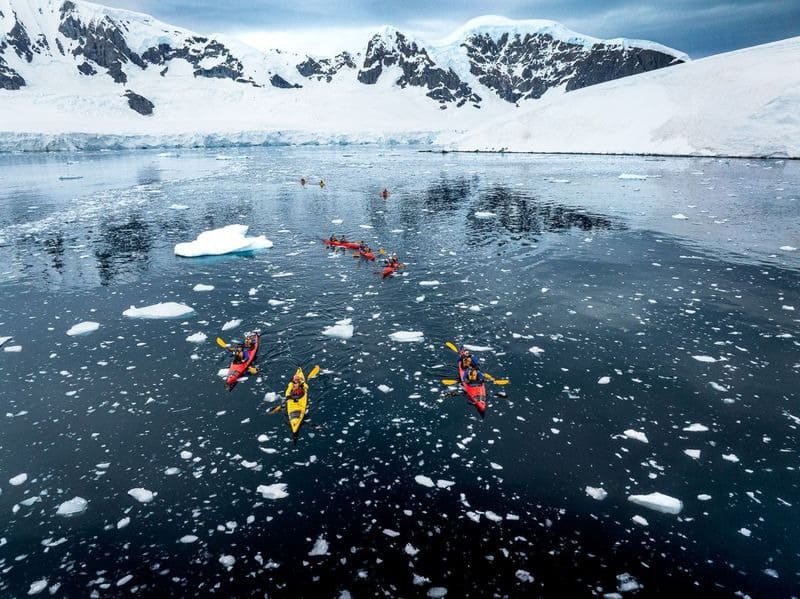
To the east of the peninsula lies the Weddell Sea, known for its expansive sea ice and tabular icebergs. This area is also connected to Sir Ernest Shackleton’s legendary Endurance expedition. Expeditions to the Ross Sea and East Antarctica are among the most remote voyages in Antarctica and usually start from Australia or New Zealand. Here, you can visit the Ross Ice Shelf, see historic huts from the Heroic Age of Antarctic Exploration and experience vast ice shelves and enormous glaciers. Cruises to the Ross Sea and East Antarctica usually require more time and can take up to around 35 days.
When to Visit — Seasonal Considerations for Antarctica Cruises
The Antarctica cruise season runs during the austral summer, from November through March. At that time, sea ice is at its lowest extent, allowing expedition ships to access the continent. Every month offers a slightly different experience, and the timing of your voyage influences everything from wildlife encounters and photo opportunities to sea ice conditions and which cruise routes are accessible.
Travel in November and be one of the season’s first visitors, watching the continent awaken after the long winter. Antarctica is covered in fresh snow, penguins return to their colonies to mate and nest, while seals rest on ice floes. Sea ice can still block some routes, especially those venturing farther south beyond the Antarctic Circle.
In December and January, Antarctica experiences its warmest temperatures and up to 20 hours of daylight around the Antarctic Peninsula. The long summer days give you more time to explore ashore and in Zodiac boats and greater flexibility for expedition teams to take advantage of favorable sea and weather conditions. Voyages including South Georgia are especially rewarding during the summer, when vast king penguin colonies are bustling with parents attending to their chicks.
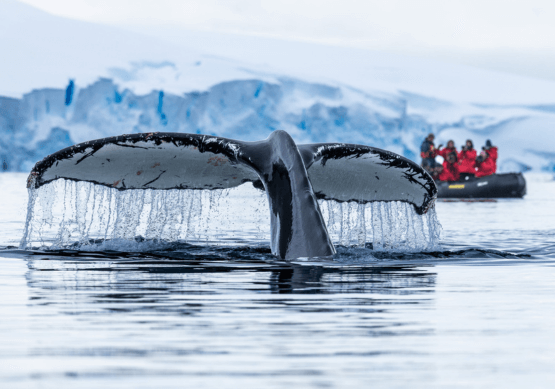
By February and March, sea ice has reached its seasonal minimum, allowing access to destinations farther south and Antarctic Circle crossings. This is also the best time to spot whales in the Southern Ocean as they gather in Antarctica’s nutrient-rich waters to feed.
December and January are the peak Antarctic cruising months, and cruises typically sell out long in advance. The height of summer typically features the best weather conditions and the calmest Drake Passage crossings. Shoulder season departures such as November and March may offer better prices and availability.
|
Month |
Conditions |
Wildlife Highlights |
Route Availability |
|
November |
Pristine landscapes, fresh snow, lingering sea ice, cooler temperatures |
Penguins return to breeding colonies, courtship, and nest building, seals rest on ice floes |
Classic Antarctic Peninsula cruises, some southern routes may still be blocked by sea ice |
|
December |
Warmer temperatures, long daylight (up to 20 hours around the Antarctic Peninsula) |
Penguin chicks begin hatching, busy seabird colonies, elephant seal pups in South Georgia |
Peak season for Antarctic Peninsula cruises and South Georgia |
|
January |
Warmest month of the season, extensive daylight |
Penguin chicks grow, whales return to their feeding grounds |
Peak season for Antarctic Peninsula cruises and South Georgia, and many Antarctic Circle departures |
|
February |
Sea ice reaches its lowest extent |
Peak whale watching, active penguin colonies |
Best time for Antarctic Circle crossings and farther-south itineraries (including parts of the Weddell Sea) |
|
March |
Cooler temperatures, shorter days, sunsets |
Peak whale watching, fledging penguin chicks, fewer visitors |
Good access to the Antarctic Peninsula and many southern routes |
The Classic Antarctic Peninsula Experience
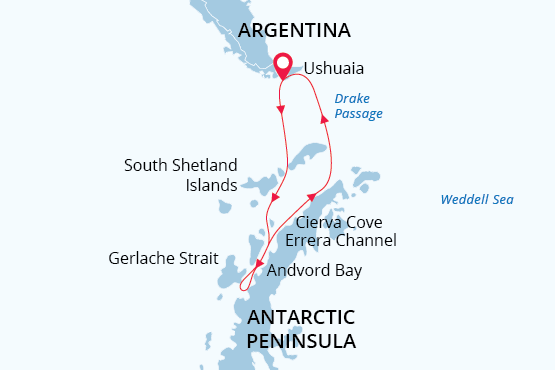
A classic Antarctic Peninsula cruise is one of the most popular and accessible ways to see the best of Antarctica, making it the perfect cruise for first-time visitors. Most expeditions last around 10 to 12 days and depart from Ushuaia, Argentina, the world’s southernmost city. Once you depart from Ushuaia aboard the small expedition ship M/V Sea Spirit, you’ll sail through the Beagle Channel in Tierra del Fuego and from there into the legendary Drake Passage en route to Antarctica. The Drake Passage crossing takes around two days by expedition ship and is an unforgettable experience in itself. During the crossing, you will join expedition briefings and onboard lectures and can spot wildlife such as albatrosses, giant petrels, and occasionally whales. While this stretch of ocean is notorious for rough seas, not all crossings are rough. Whether you experience the famous “Drake Shake” or a surprisingly calm “Drake Lake” depends on weather conditions and the time of season you travel.
The first Antarctic landfall on most expeditions is in the South Shetland Islands, often described as the gateway to the White Continent. Imagine stepping off the ship into a small Zodiac boat for the first time, feeling the cold sea spray on your face as you approach the coastline. The South Shetland Islands are a magnificent place to start your Antarctic adventure. Places like Deception Island, a volcanic caldera featuring black sand beaches and a large chinstrap penguin colony, are perfect for photography and wildlife observation. Elephant Island is another iconic stop on most Antarctica cruises, connected to the heroic Endurance expedition of Sir Ernest Shackleton. Depending on weather conditions, you can spot the island from your expedition ship, though landings are rarely possible due to difficult conditions.
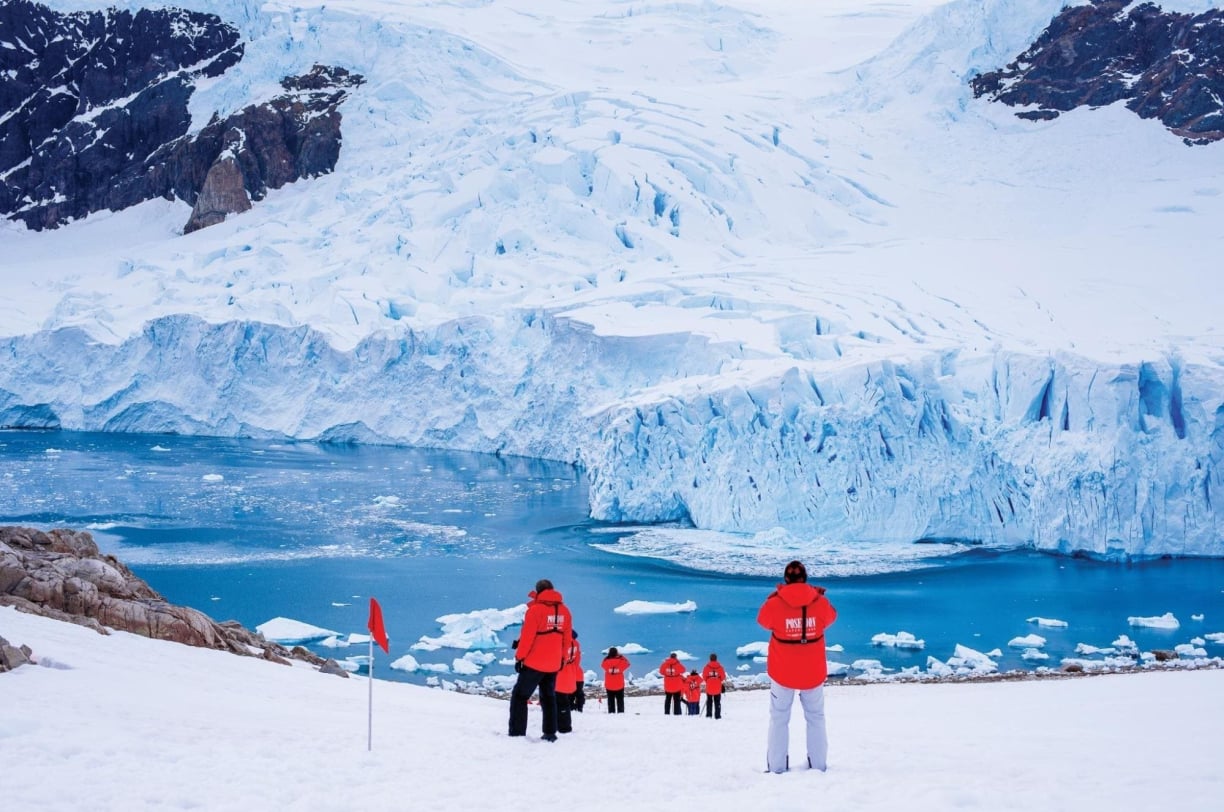
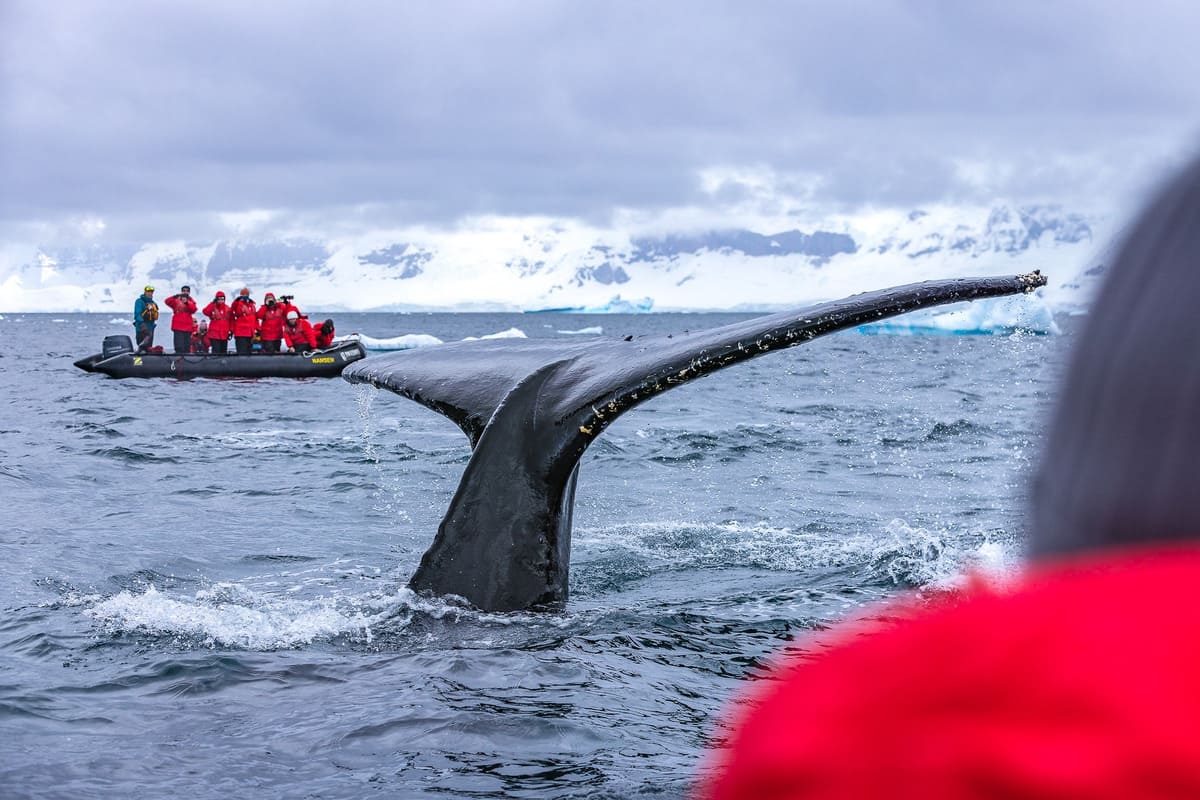
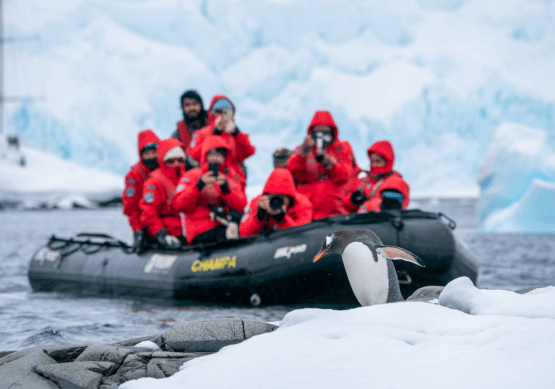
As you continue south along the Antarctic Peninsula, you’ll spot tabular icebergs floating near your expedition ship while you prepare for unique Zodiac excursions and landings at iconic sites such as Paradise Bay, Neko Harbour, and Petermann Island. See curious gentoo penguins sliding down snowy hills on their bellies, or humpback whales swimming right next to your Zodiac while your expedition team adjusts the itinerary as needed to make the most of favorable weather conditions. This level of flexibility is one of the greatest advantages of small-ship expedition voyages and helps you make the most of each moment.
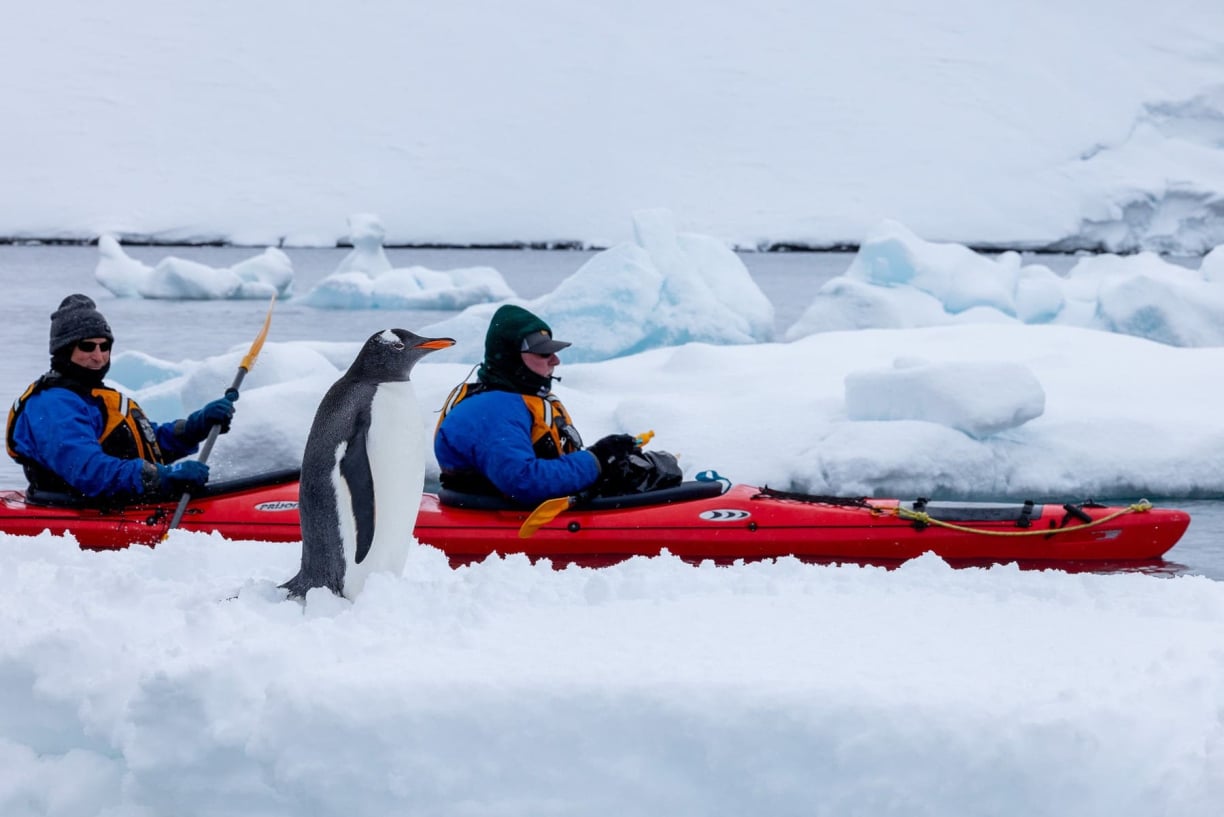
When visiting Antarctica, traveling aboard a small ship helps ensure an authentic expedition experience. IAATO regulations limit landings to a maximum of 100 passengers ashore at any site at one time. Our 114-passenger M/V Sea Spirit complies with this regulation, and all guests can explore together. This maximizes time ashore and on Zodiac excursions.
Typical highlights you can expect on an Antarctic Peninsula cruise include places like Paradise Bay, with its spectacular glacier scenery and opportunities for whale watching, the picturesque Lemaire Channel, with its towering peaks and icebergs, and Port Lockroy, a historic British base with a museum, post office, and resident gentoo penguins. If you book additional activities such as kayaking or camping in Antarctica, you’ll immerse yourself even further in the wild beauty of Antarctica. Find out more about our upcoming Antarctic Peninsula cruises.
Popular Peninsula Landing Sites and Highlights
Each Antarctic Peninsula expedition cruise is unique, and the exact itinerary always depends on weather and sea ice conditions. While the specific landing sites may vary, there are a handful of iconic locations that are part of most itineraries and have become favorites among polar travelers.
Lemaire Channel
It’s often nicknamed the “Kodak Gap” and is one of Antarctica’s most photogenic waterways. Towering peaks rise on either side of this narrow passage while you sail through the iceberg-filled waters. The Lemaire Channel is one of the highlights of any Antarctic Peninsula voyage and an exceptional place for photography from the deck or while cruising aboard a Zodiac.
Petermann Island
Here you can see gentoo and Adélie penguins with a backdrop of breathtaking glaciers and snow-covered mountains. If weather conditions permit, this is a prime location for our kayaking club. Together with a guide, you’ll paddle the clear waters at your own speed, floating among icebergs and wildlife.
Paradise Bay
Surrounded by glaciers and towering peaks, its calm waters are perfect for Zodiac excursions and wildlife viewing opportunities. Humpback whales are frequently seen feeding here later in the season, while seals rest on ice floes.
Deception Island
Discover the volcanic past of the continent on this horseshoe-shaped island, which is a flooded caldera of an active volcano. Our small expedition ship enters through a narrow passage known as Neptune’s Bellows. Inside the caldera, you can explore historic whaling stations and research facilities while learning about the island’s remarkable geology. The scenic black sand beaches provide a striking contrast to the snow-covered landscapes. The island’s geothermal activity creates warm volcanic sands in some areas, heating the waters and providing a unique hot spring experience.
Port Lockroy
The former British research station now operates as a museum and post office. From here, you can send postcards home to your friends and family from one of the world’s southernmost public post offices. Port Lockroy also has a charming resident gentoo penguin colony nesting just outside the buildings.
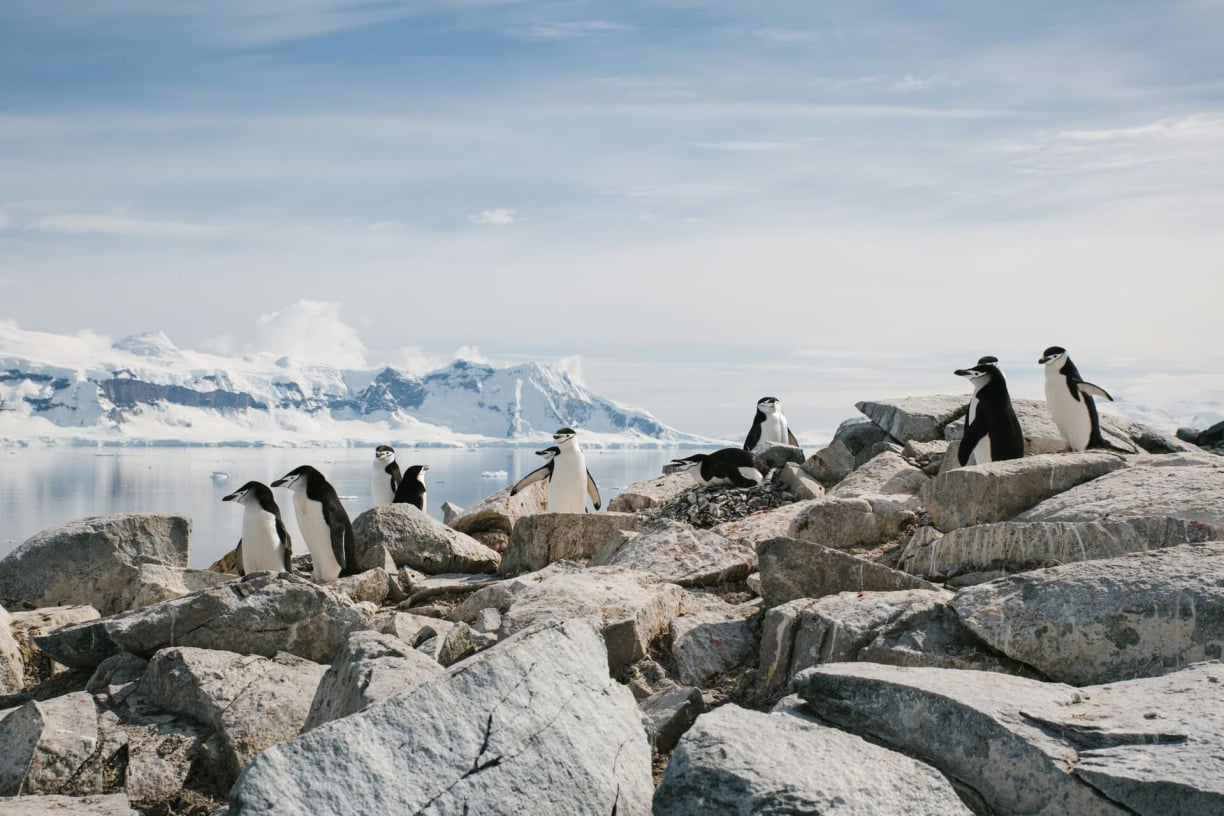
Depending on your exact itinerary, your expedition may also visit Paulet Island, famous for its large Adélie penguin colony, or cruise through the scenic Neumayer Channel and Bransfield Strait, famous for its dramatic scenery, impressive icebergs, and whale-watching opportunities.
Activities and Experiences on Peninsula Cruises
An Antarctic Peninsula cruise is not just about reaching the White Continent. Every day you have the chance to experience Antarctica from a different perspective, whether you’re cruising in Zodiacs, joining expert-led hikes ashore, kayaking through pristine waters, or spending a night on the ice beneath the Antarctic sky.
Zodiac Cruising
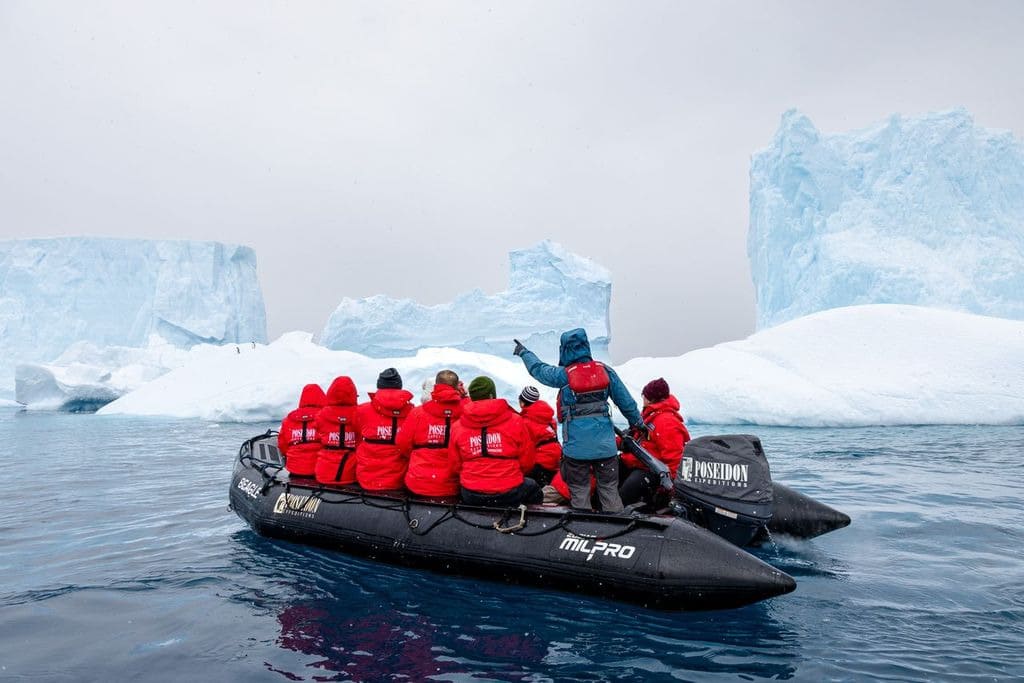
In small inflatable boats, you can reach places your expedition ship cannot, drifting past icebergs and glaciers and approaching wildlife from a respectful distance. In sheltered locations such as Paradise Bay, you can spot curious seals on ice floes and humpback whales surfacing near your Zodiac. These are moments that leave even our most seasoned travelers speechless.
Guided Hikes
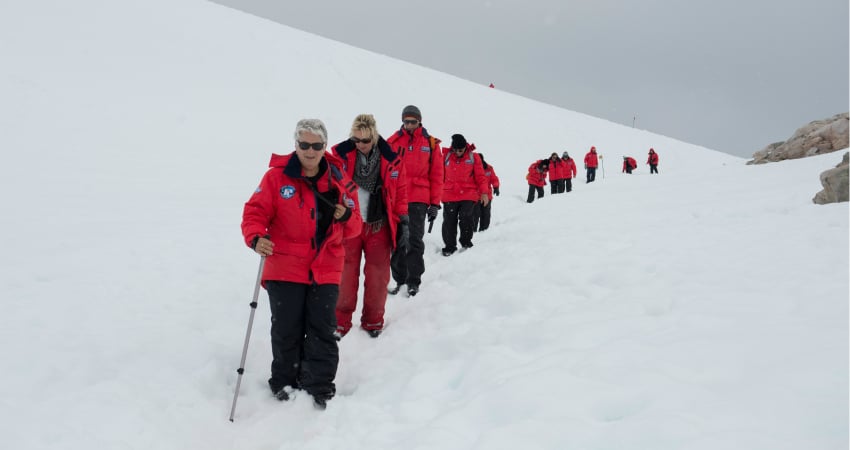
Join our expert-led shore walks and learn about the region’s wildlife, geology, and history along the way. Walk among bustling penguin colonies or climb gentle hills for amazing views across the Antarctic Peninsula.
Sea Kayaking
If you enjoy active exploration, join the sea kayaking club. Explore the coastline at water level at your own pace, and paddle among icebergs while you look for wildlife. Don’t be surprised if penguins jump into the water right next to you and seabirds soar above you. Kayaking usually must be booked separately, and we recommend booking as early as possible, as spots are limited and fill up fast.
Overnight Camping
When conditions permit, a limited number of guests can spend a night sleeping on the shores of Antarctica, at Damoy Point. In a warm sleeping bag and bivy bag, you’ll fall asleep to the sounds of Antarctica, listening to the waves softly hitting the shore and penguins braying in the distance. Only a group of 40 guests can join this experience and we recommend booking as early as possible.
Polar Plunge
Take the legendary dip into the freezing Antarctic waters and experience the exhilarating feeling of joining the club of polar plungers. It’s a highlight of any expedition, and you’ll get a photo to remember your bravery.
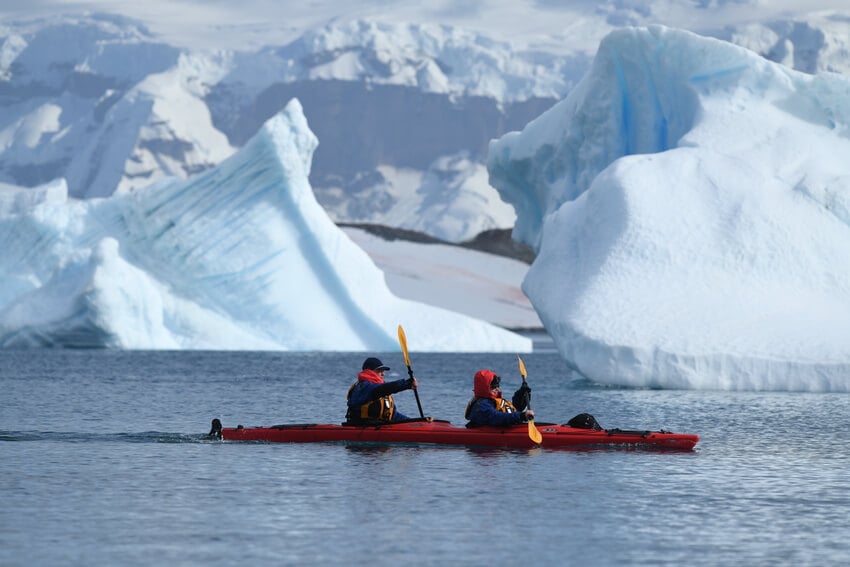
Top 5 activities:
- Cruise among towering icebergs in a Zodiac
- Hike to scenic viewpoints with your expedition guides
- Go sea kayaking through Antarctica’s icy waters
- Spend a night camping on the Antarctic shores
- Take the unforgettable polar plunge
Beyond the Peninsula — Extended Antarctica Itineraries
While a classic Antarctic Peninsula cruise is the perfect way to set foot on the continent and see the highlights in around 12 days, extended Antarctica cruises offer an even deeper exploration of the region. You will not only experience the remote wilderness and wildlife habitats of the Southern Ocean, but also have the opportunity to learn about the region’s history and ancient explorers. These extended expedition cruises typically take 18 to 23 days and combine the Antarctic Peninsula with the Falkland Islands and South Georgia.
These voyages include more days at sea than a classic peninsula cruise, but every destination offers extraordinary experiences. Discover British heritage and charming penguin rookeries on the windswept Falkland Islands, and visit South Georgia, a wildlife paradise in the Southern Ocean with its vast king penguin colonies and elephant seals. Combined with the Antarctic Peninsula, these destinations showcase three distinct ecosystems, each offering distinctive landscapes, wildlife, and history. On this route, you’ll be able to see up to seven different penguin species in one trip, visit former whaling stations, and explore historic places connected to the Heroic Age of Antarctic Exploration. Although these comprehensive Antarctic itineraries require a greater time commitment, they are a rewarding experience for any traveler seeking an extraordinary adventure.
The Spectacular South Georgia and Falkland Islands Circuit
Embark on an extended expedition adventure in the Southern Ocean combining the Falkland Islands, South Georgia, and the Antarctic Peninsula. While it requires additional days at sea, you will enjoy a full expedition experience, gain deeper understanding of the region’s history and wildlife, and forge closer bonds with your fellow travelers from around the globe. These voyages also include South Georgia Island, which many travelers consider a highlight of their Antarctic adventure.
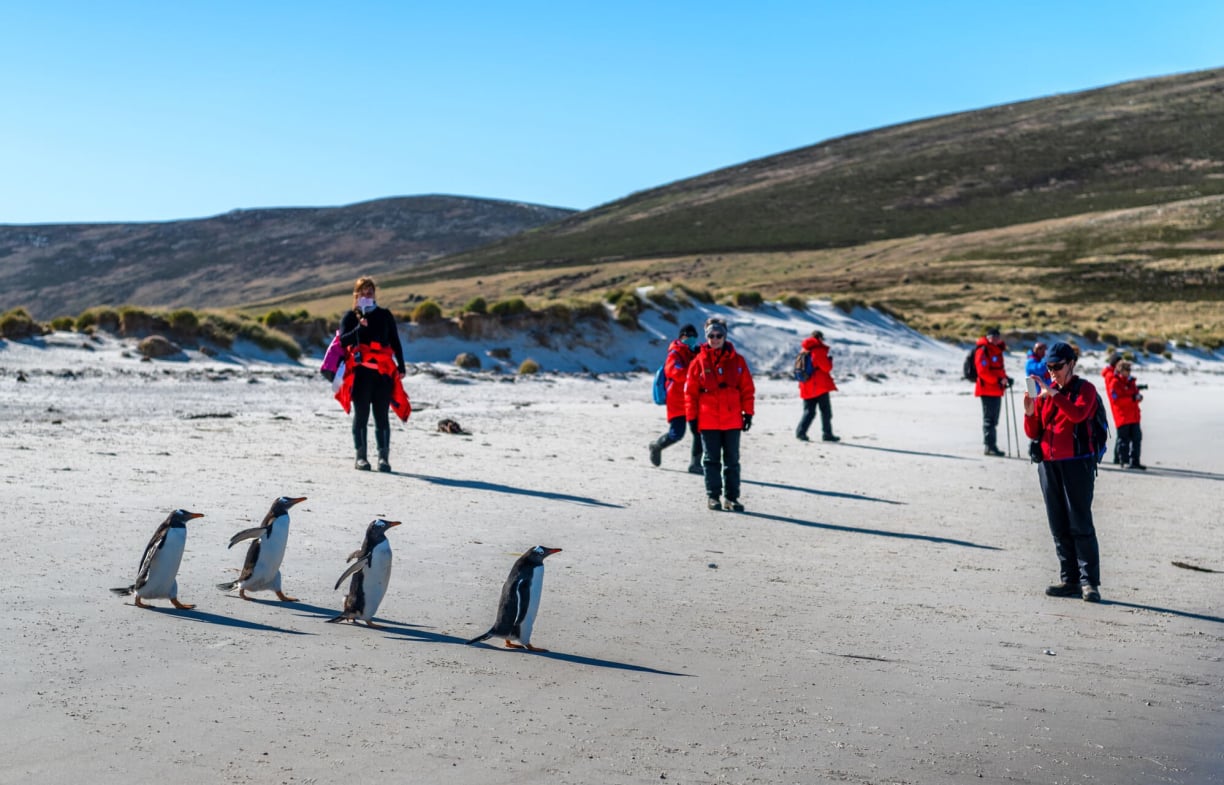
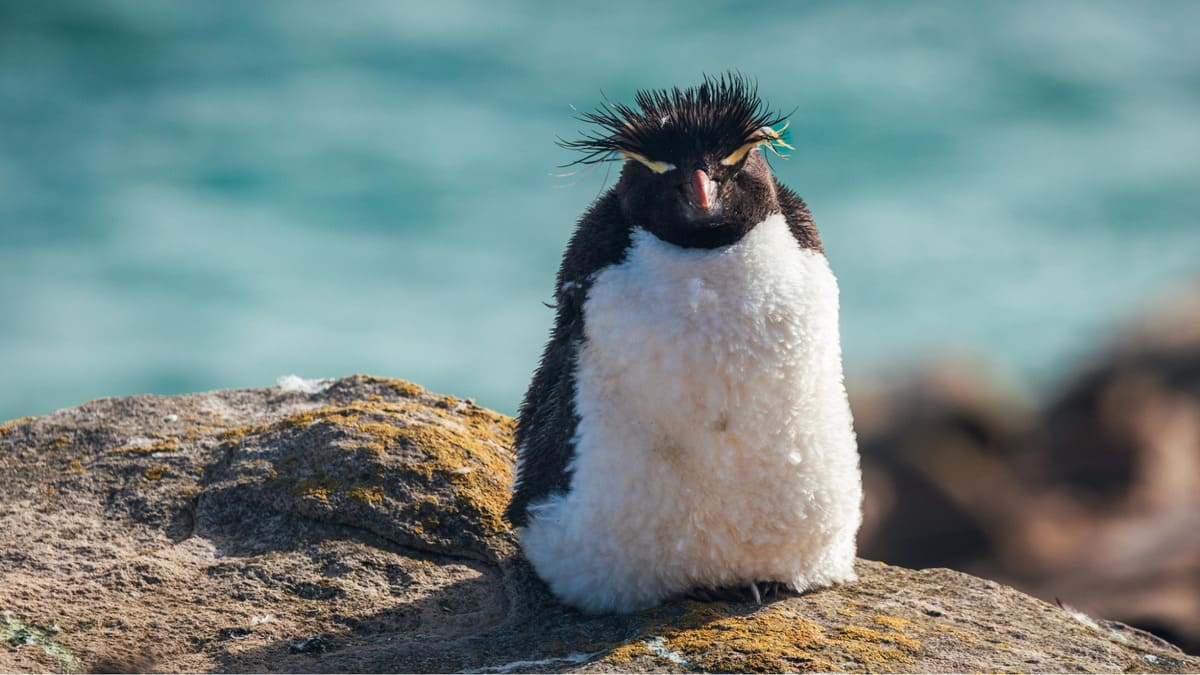
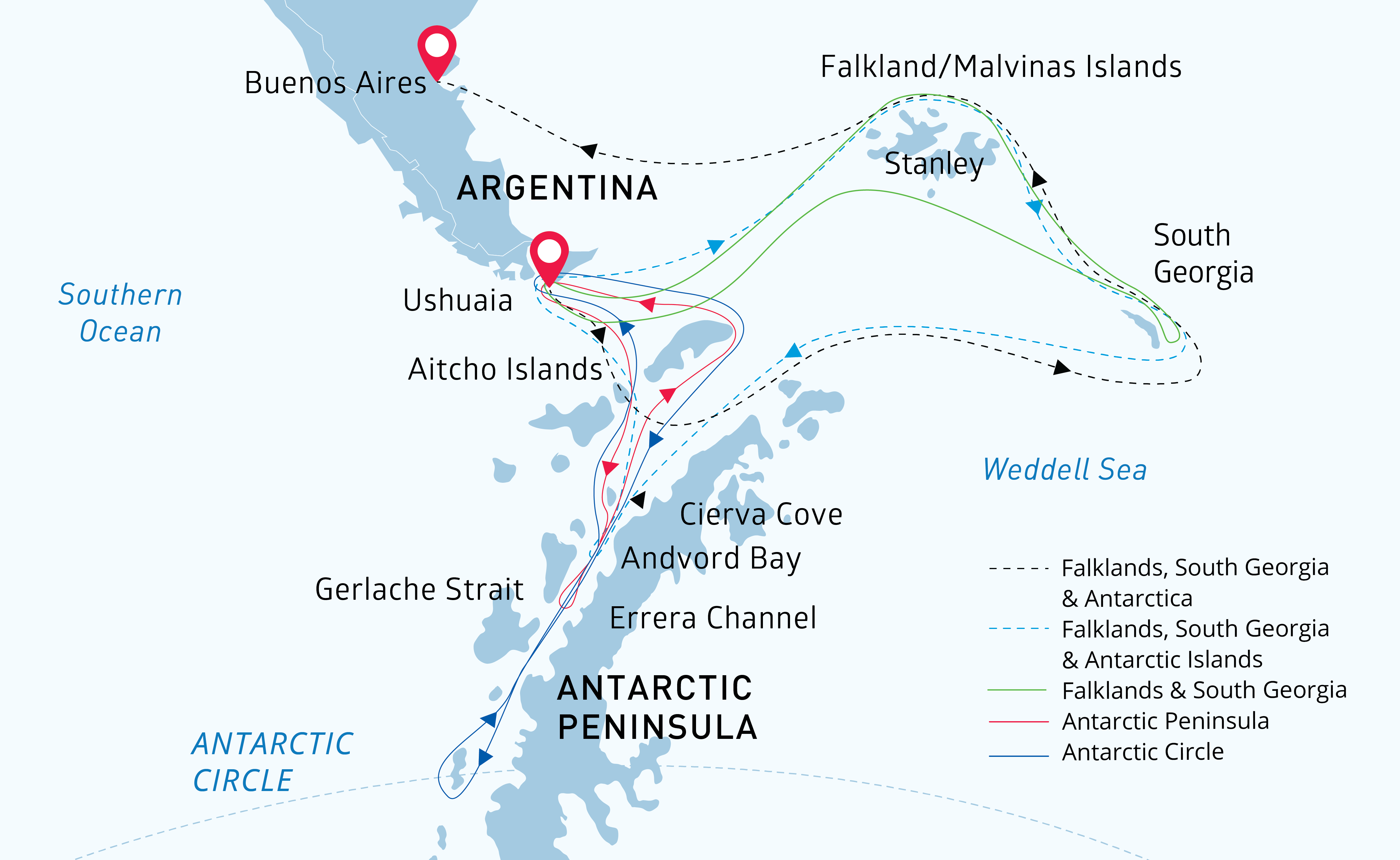
Once you leave Ushuaia aboard the small 114-passenger expedition ship M/V Sea Spirit, you’ll travel to your first destination, the Falkland Islands. Expect rolling green hills, white-sand beaches, and windswept coastlines with bustling gentoo, rockhopper, and macaroni penguin colonies. Black-browed albatrosses and other seabirds nest along the rugged shores, making the Falklands a prime destination for birdwatching. Stroll through the charming capital, Stanley, and discover its British heritage, cozy pubs, and the island’s rich maritime history.
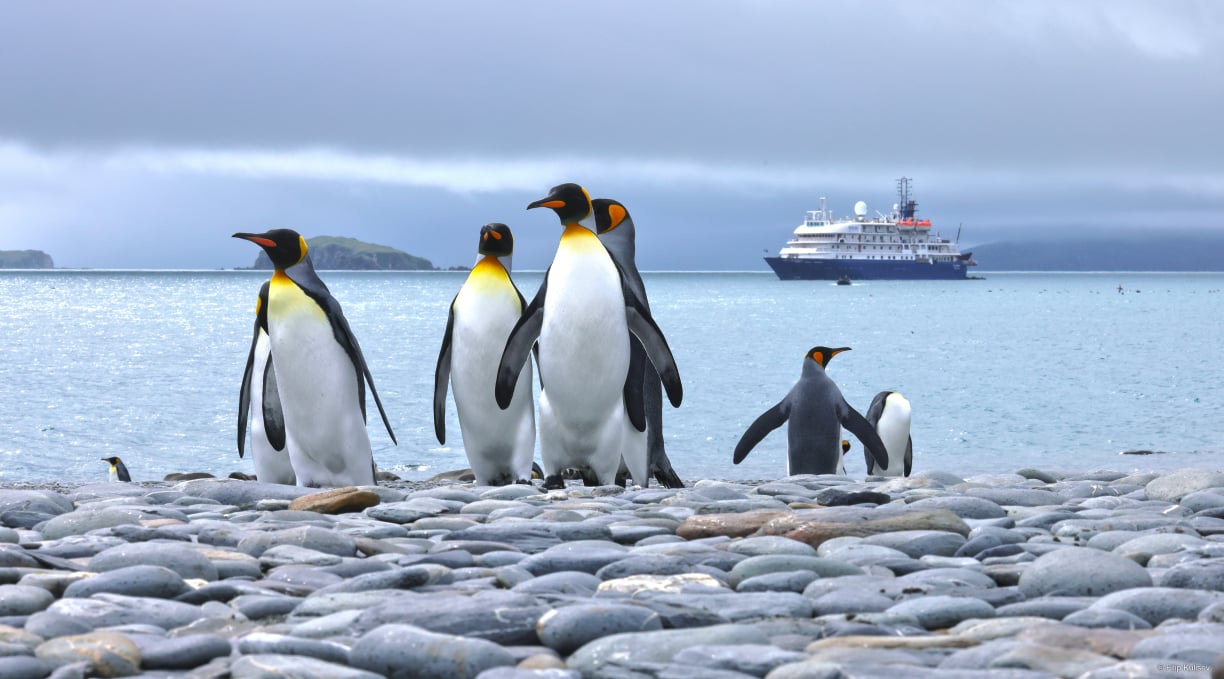
From there, the expedition continues to South Georgia Island, often described as the “Galapagos of the Southern Ocean.” Snow-capped mountains rise dramatically above pristine beaches teeming with wildlife. As you approach the coastline by Zodiac, you’ll spot king penguins and elephant seals along the shores. The island is home to some of the largest king penguin colonies in the world. At the popular landing site of Salisbury Plain, you can see around 60,000 breeding pairs of king penguins. The noisy colonies with fluffy chicks and doting penguin parents are one of the greatest wildlife spectacles on Earth. The wildlife sightings extend far beyond penguins. Spot southern elephant seals crowding the wild beaches during the breeding season, and the enormous males defending their mates.
South Georgia is also an important historic site connected to Sir Ernest Shackleton’s Imperial Trans-Antarctic Expedition. After his ship, Endurance, was trapped by pack ice in the Weddell Sea in 1915, Shackleton and five companions sailed aboard the tiny lifeboat James Caird to King Haakon Bay on South Georgia before crossing the mountainous interior to seek help at Stromness Whaling Station. On our South Georgia cruise, you can visit the former whaling station of Grytviken, where Shackleton is buried in the local cemetery. Travelers typically toast with a glass of whiskey at his gravesite – a long-standing tradition honoring one of Antarctica’s greatest explorers.
The voyage then continues south to the Antarctic Peninsula, typically with a stop in the South Shetland Islands. Weather permitting, you may stop at Deception Island, a flooded volcanic caldera featuring iconic black-sand beaches and a resident chinstrap penguin colony. As you reach the Antarctic Peninsula, you’ll step ashore at landing sites such as Paradise Bay, Petermann Island, and Port Lockroy, before crossing the Drake Passage en route back to Ushuaia.
Our route, including the Falklands, South Georgia, and the Antarctic Peninsula, operates as a small-ship expedition cruise aboard the 114-passenger M/V Sea Spirit. Its size is designed for navigating sheltered bays and narrow fjords, while our onboard team of naturalists, wildlife biologists, geologists, and historians brings every region to life. Follow in Shackleton’s footsteps and learn about his heroic adventures, or watch thousands of king penguins while our experts explain their fascinating behavior. All guests can go ashore at the same time, with no group rotations, maximizing your time exploring.
Find more information about this itinerary.
Key Wildlife Species and Historical Sites Unique to South Georgia and the Falklands
- King Penguin Colonies – See colonies with tens of thousands of breeding pairs at Salisbury Plain, St. Andrew Bay, and Gold Harbour.
- Southern Elephant Seals – Observe enormous breeding beaches where dominant males battle for females.
- Black-browed Albatrosses – Visit some of the world’s largest breeding colonies in the Falklands.
- Rockhopper and Macaroni Penguins – See these charismatic fellows on the Falklands and South Georgia.
- Grytviken Whaling Station – Explore the former Norwegian whaling station and visit the grave of Sir Ernest Shackleton.
Crossing the Antarctic Circle Adventures
For many polar travelers, crossing the Antarctic Circle is far more than reaching a line on a map – it is an accomplishment for any seasoned traveler and an opportunity to enter one of the most remote and least-visited regions on Earth. Located at 66°33′ south latitude, the Antarctic Circle marks the point where, during the austral summer, the sun remains above the horizon. While a classic Antarctic Peninsula cruise explores the northern areas of the continent, an Antarctic Circle voyage extends the journey by adding up to three days, allowing ships to venture farther south into the spectacular Antarctic wilderness. During the austral summer, Antarctic Circle expeditions enjoy up to 20 hours of daylight, giving expedition teams greater flexibility to adjust the itinerary according to favorable weather and sea conditions. The extended daylight creates excellent opportunities for photography, Zodiac excursions, and wildlife watching.
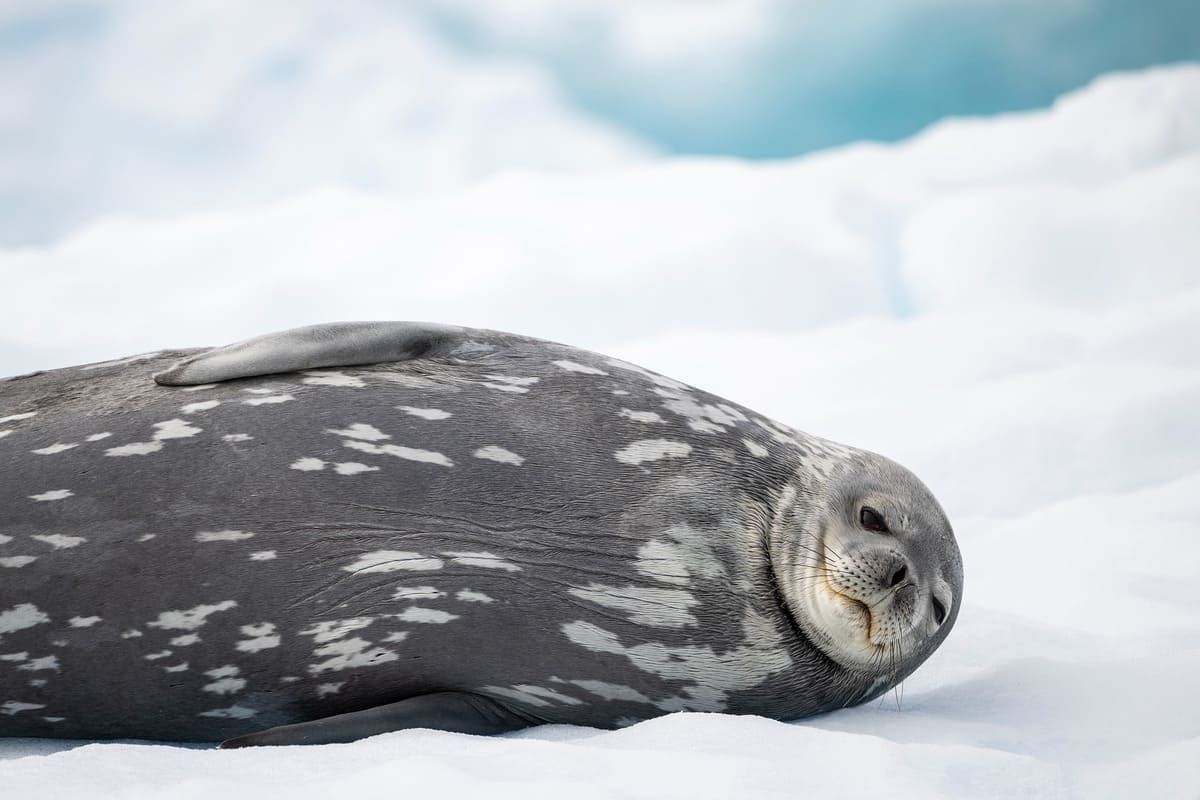
As you venture south, the scenery becomes even more dramatic, with enormous tabular icebergs, vast ice fields, and an overwhelming sense of isolation. One of the highlights of many Antarctic Circle expeditions is Marguerite Bay, a breathtaking region of glacier-covered mountains and expansive ice shelves. On the way, you can spot Weddell seals on ice floes, Adélie penguins, and even humpback and minke whales. Reaching the Antarctic Circle is often celebrated on board, and travelers typically receive a commemorative certificate. An Antarctic Circle crossing is not only a great way to experience the continent’s landscapes and wildlife, but also a unique opportunity to understand the immense scale and remoteness of the region. It’s a geographic milestone that should be on any seasoned polar traveler’s bucket list.
Ready to explore Antarctica?
Join us on an unforgettable expedition to discover the wonders you've just read about
or download our free brochure
East Antarctica and the Ross Sea Region
For expedition travelers seeking one of the most remote polar journeys, few routes compare to expeditions to the Ross Sea and East Antarctica. These voyages typically last from 20 to 35 days and usually require a larger financial commitment than a classic Antarctic Peninsula cruise. On these cruises, you’ll visit legendary exploration sites, the vast wilderness of the White Continent, and landscapes that few people ever have the privilege of witnessing.
Ross Sea expeditions typically depart from Bluff, Queenstown or Lyttelton (near Christchurch) in New Zealand, or from Hobart in Australia, depending on the itinerary. Crossing the Southern Ocean from New Zealand or Australia to Antarctica takes around six to seven days aboard an expedition ship, which is significantly longer than crossing the Drake Passage from South America. One of the prime destinations on such cruises is the Ross Ice Shelf, the largest ice shelf in Antarctica, covering approximately 484,000 km2 (188,000 sq. miles), roughly the size of France. Nearby, Ross Island is home to Mount Erebus, the southernmost active volcano in the world.
For history enthusiasts, McMurdo Sound is the perfect place to see the well-preserved expedition huts of Robert Falcon Scott’s Terra Nova Expedition (1910-1913) and Ernest Shackleton’s Nimrod Expedition (1907-1909). Learn about the famous expeditions of the Heroic Age of Antarctic Exploration and walk through these historic sites to get a glimpse of the hardships faced by the early explorers.
Some specialty cruises also include another highlight of the McMurdo region, the McMurdo Dry Valleys. Weather permitting, helicopter flightseeing excursions or occasional landings are offered. These valleys are the largest ice-free region in Antarctica, protected from snowfall by the surrounding mountains and powerful katabatic winds. Scientists study these dry valleys and their unique ecosystems, and even NASA conducts research there, as their extreme conditions are considered one of the closest natural analogues to the surface of Mars.
Ross Sea cruises and East Antarctica expeditions may not be for every traveler, but they are incredibly rewarding for those who have more time to travel and a significantly higher travel budget. In comparison to the smaller West Antarctic Ice Sheet, of which the Antarctic Peninsula is a part, the East Antarctic Ice Sheet covers most of the continent and contains the majority of Antarctica’s ice. These voyages reveal the immense scale and isolation of the White Continent like few other cruises and offer opportunities to experience historical Antarctica though some of its most iconic exploration sites.
Top 5 highlights:
- Marvel at the towering Ross Ice Shelf
- Visit historic explorers’ huts and walk in the footsteps of Robert Falcon Scott and Ernest Shackleton
- Experience the McMurdo Dry Valleys
- See Mount Erebus, Antarctica’s active volcano
- Discover Antarctica at its most remote
The Weddell Sea — Emperor Penguin Territory
A Weddell Sea expedition is the ultimate Antarctic adventure for wildlife enthusiasts. Located east of the Antarctic Peninsula in West Antarctica, the Weddell Sea is known for its dense sea ice, enormous tabular icebergs, and the world’s largest penguin species – the emperor penguin. While you can see gentoo, chinstrap, and Adélie penguins around the Antarctic Peninsula, emperor penguins breed exclusively on sea ice, and you won’t be able to see them on classic Antarctic Peninsula routes. The Snow Hill Island area is home to an accessible emperor penguin colony, where penguin parents raise their chicks in some of the harshest conditions on Earth. Most expeditions organize flightseeing excursions to spot the colony, but reaching the colony is never guaranteed. Access depends entirely on sea ice, weather, and helicopter flying conditions. Typically, the success rate of reaching the colony at Snow Hill Island is estimated with a chance of around 50% per expedition.
Even if conditions prevent a visit to the emperor penguin colony, the Weddell Sea offers exceptional wildlife viewing opportunities and breathtaking scenery. Expect to see vast colonies of Adélie penguins, as well as Weddell, crabeater, and leopard seals resting on sea ice. As you sail the Weddell Sea, you can spot its colossal tabular icebergs, enormous flat-topped blocks of ice drifting in the Southern Ocean. The blue and white sculptures create some of the most picture-perfect photo ops. A Weddell Sea expedition is best suited to experienced travelers who understand that nature, not the itinerary, always has the final say in what you will experience.
Weddell Sea Wildlife Highlights
- Emperor Penguins – The world’s largest penguin species and main reason why many travelers visit the Weddell Sea, as they breed exclusively on sea ice.
- Adélie Penguins – Highly active and curious, these are the classic Antarctic penguins.
- Weddell Seals – One of Antarctica’s southernmost seal species.
- Leopard Seals – Antarctica’s apex marine predator, often seen lounging on ice floes or patrolling the coastline in search of penguins and fish.
- Crabeater Seals – One of the most abundant seal species on Earth.
- Colossal Tabular Icebergs – One of the most spectacular highlights of the polar landscapes.
Special Interest Antarctica Cruises
Every traveler comes to Antarctica with their own dreams and reasons to visit. While a classic Antarctica cruise provides a solid introduction to the continent’s landscape and wildlife, special-interest expeditions are designed around a specific passion. Whether you are interested in photography, searching for rare wildlife encounters, or following in the footsteps of legendary explorers, specially designed cruises are the best option to match your adventurous spirit.
For photography enthusiasts, an Antarctic photography cruise is designed to take advantage of the best natural light and wildlife viewing opportunities. Expedition teams often plan landings around the soft golden glow of the evening light, when locations such as the Lemaire Channel are bathed in spectacular colors. Longer excursions to ensure ample time for photography, specialized briefings, and guidance from professional photographers help travelers capture the dramatic polar landscapes.
A wildlife expedition in Antarctica focuses on maximizing encounters with the region’s iconic animals. Depending on the exact route, you can expect whale sightings (including orcas), observe penguin colonies during the hatching season, and visit South Georgia to see the enormous king penguin colonies. Such expeditions often move at a different pace, allowing more time at wildlife locations and providing additional interpretation from onboard specialists.
For history enthusiasts, a historical Antarctica voyage follows the routes and stories of legendary explorers such as Ernest Shackleton, Robert Falcon Scott, and Douglas Mawson. These itineraries may include visits to historic sites such as Shackleton’s grave at Grytviken, Scott’s expedition huts in the Ross Sea, and locations connected to the early exploration of the Southern Ocean.
What separates a special-interest expedition from a standard cruise is the depth of expertise behind every landing. Our Poseidon Expeditions’ onboard team of naturalists, wildlife biologists, geologists, and historians transforms each shore excursion into an immersive learning experience. Their knowledge supports photography briefings, wildlife interpretation sessions and guided walks, geological discussions, and historical lectures that bring Antarctica’s regions to life. Whether we embark on a special solar eclipse Arctic cruise in 2026, or organize specialized photography cruises in Antarctica, our cruises allow travelers to experience Antarctica through the lens of their personal passions.
|
Cruise Type |
Unique Features |
Ideal Timing |
Target Audience |
|
Antarctica Photography Cruises |
Longer photography opportunities, expert guidance, carefully timed landings to capture landscapes, wildlife, and the perfect light conditions |
December to February for long daylight hours and peak wildlife activity |
Photography enthusiasts, from beginners to experienced photographers |
|
Wildlife Expedition Cruises |
Focused on wildlife viewing and encounters |
December to March, depending on target species |
Wildlife photographers, nature lovers, birdwatchers, and travelers passionate about Antarctic fauna |
|
Historical Antarctica Voyages |
Exploration of legendary sites connected to polar explorers |
Route-dependent |
Polar history enthusiasts |
Transoceanic Voyages and Rare Itineraries
Transoceanic Antarctica voyages are among the rarest itineraries and offer the next level of polar exploration. These voyages focus on distant corners of the Southern Ocean rather than just the continent itself, combining Antarctica with remote islands and rarely visited regions. Some of the most ambitious itineraries cross the South Atlantic, connecting destinations such as Ushuaia and Cape Town, while exploring remote waypoints including South Georgia, Tristan da Cunha, and other isolated islands. Long days at sea are part of the expedition experience, offering opportunities for wildlife watching, photography, and expert-led lectures about oceanography, geology, and polar exploration.
Some of the most exclusive routes cruise to the remote Bellingshausen Sea, including attempts to reach Peter I Island, one of Antarctica’s most isolated volcanic islands. Located far from established routes, Peter I Island is rarely visited due to its challenging conditions and exposed coastline. It lies roughly 450 km (280 miles) off the coast of continental Antarctica, and nearly 95% of the island’s surface is covered by a massive glacier. Surrounded by sea ice for much of the year, a visit requires patience, flexibility, and a true explorer’s mindset, as it depends entirely on weather and sea ice conditions.
These rare Antarctica itineraries are designed for seasoned travelers seeking an experience beyond the traditional Antarctica cruise. Returning travelers and expedition collectors searching for the extraordinary are ideally suited for these routes, which remain almost untouched by tourism. While these voyages require more time at sea and a willingness to embrace uncertainty, they are extremely rewarding, giving travelers a true sense of exploration.
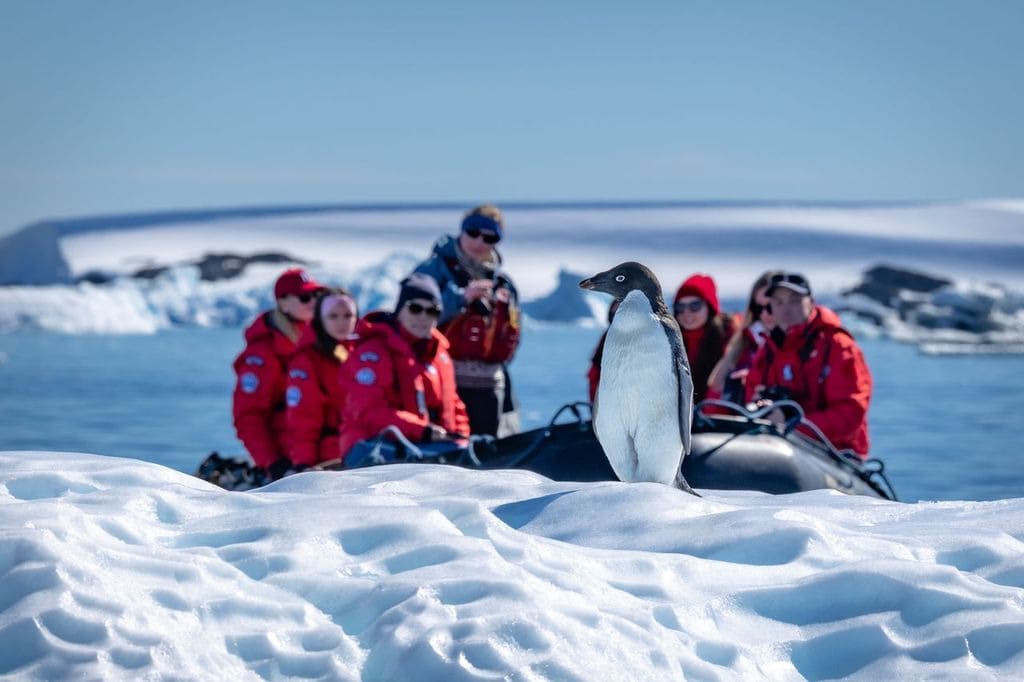
Innovative Ships and Future Antarctica Travel Trends
Since the Heroic Age of Antarctic Exploration, ship design has come a long way. While historic explorers were exposed to the dangers of the Southern Ocean, harsh weather conditions, and limited luxuries aboard their vessels, modern expedition ships allow travelers to experience the exhilarating sense of discovery while enjoying all the comforts aboard. Vessels traveling to the most remote parts of Antarctica require purpose-built designs and amenities. From ice-strengthened hulls and stabilizers that counteract rough seas to efficient and hybrid-powered ships, the future of Antarctic exploration is shaped by the growing demand for Antarctic travel and the need for sustainable polar tourism. Modern ships focus on greater comfort in challenging polar conditions, and hybrid-powered ships such as the Le Commandant Charcot represent major technological steps forward, combining advanced icebreaking capabilities with reduced environmental impact. Built as a luxury icebreaker, Le Commandant Charcot is capable of reaching some of the most remote areas of the polar regions, including challenging destinations in the Bellingshausen Sea.
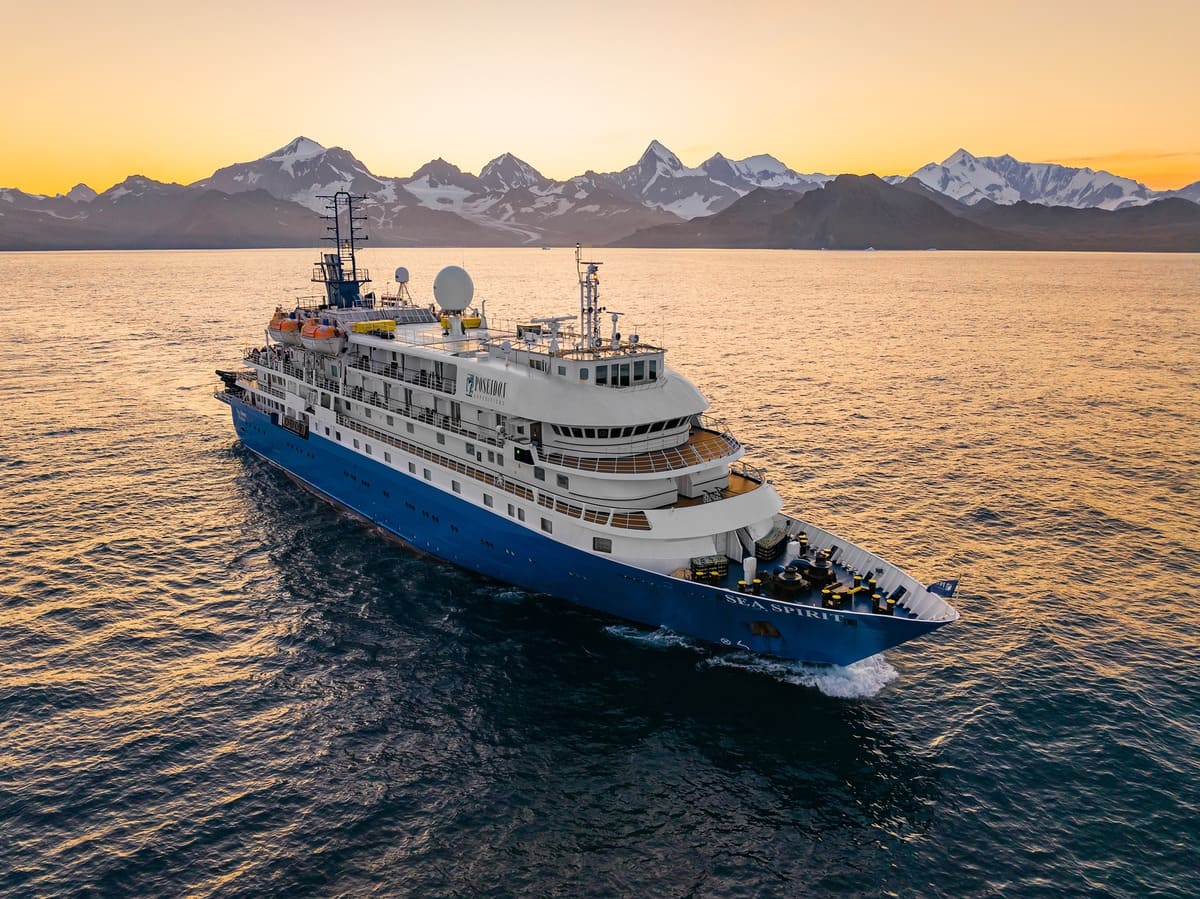
Small expedition ships like M/V Sea Spirit, by contract, focus on authentic expedition-style cruising, navigating remote bays and waterways that larger ships cannot access. With an ice-strengthened hull and Rolls-Royce fin stabilizers, it is purpose-built for cruises to the Antarctic Peninsula, the Antarctic Circle, and subantarctic islands such as the Falklands and South Georgia. Modern vessel design focuses on improved stabilization systems, advanced navigation technology, superior onboard experience, fuel reduction, and balancing exploration with conservation.
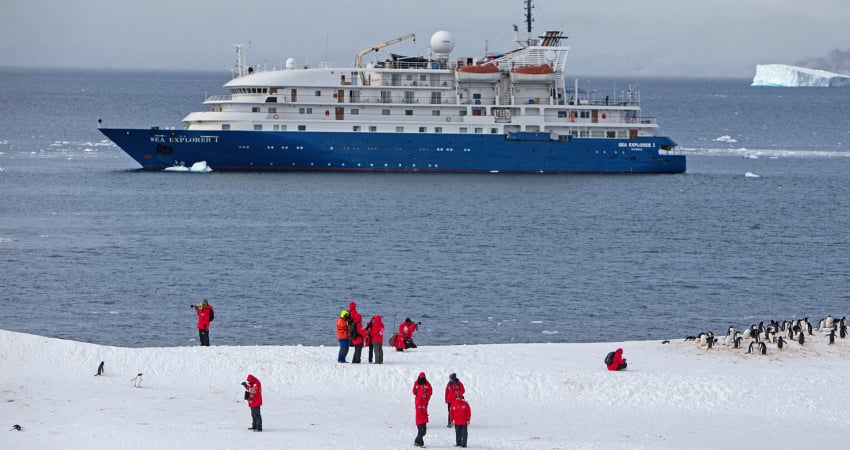
Choosing Your Perfect Antarctica Itinerary
Choosing the best Antarctic cruise route depends on your personal expectations, budget, and how much time you can spare. Over the years, we’ve helped hundreds of travelers to find the expedition that best matches their interests, and one thing has become clear – there is no single “best” Antarctica cruise, only the one that’s right for you.
If you are a first-time visitor to Antarctica and have around 10 to 14 days available, a classic Antarctic Peninsula cruise is usually the ideal choice. You’ll experience the legendary Drake Passage crossing, explore iconic landscapes, and visit bustling penguin colonies. Zodiac excursions and optional kayaking or camping will enhance your adventure. It is one of the most popular introductory expeditions to the White Continent. Departures from Ushuaia let you cross the Drake Passage in around two days, which reduces the overall time spent at sea. Compared to cruises departing from Australia and New Zealand, which take up to seven days to reach Antarctica, this is the faster way to travel to the Antarctic continent.
If wildlife is your highest priority and you can dedicate around 18 to 22 days, consider a comprehensive voyage including South Georgia and the Falkland Islands. These longer itineraries allow you to experience greater wildlife diversity, including enormous king penguin colonies and elephant seals on South Georgia, as well as Antarctic fur seals and nesting albatrosses. You’ll also be able to spot multiple penguin species on a single journey. For many of our experienced travelers, South Georgia ultimately becomes the highlight of the entire expedition.
History enthusiasts willing to spend 20 days or more should consider a Ross Sea expedition. These remote routes visit some of Antarctica’s most significant historic sites, including the expedition huts of Robert Falcon Scott and Ernest Shackleton, while exploring the impressive Ross Ice Shelf and Mount Erebus. Expect a higher travel budget and a longer ocean crossing of up to seven days, as these voyages depart from Australia or New Zealand.
For travelers dreaming of seeing emperor penguins in the wild, a Weddell Sea expedition is the best choice. With a bit of luck, you’ll get to visit the remote emperor penguin colony near Snow Hill Island. Reaching the colony is never guaranteed, and travelers are advised to bring flexibility and an expedition mindset when joining these routes.
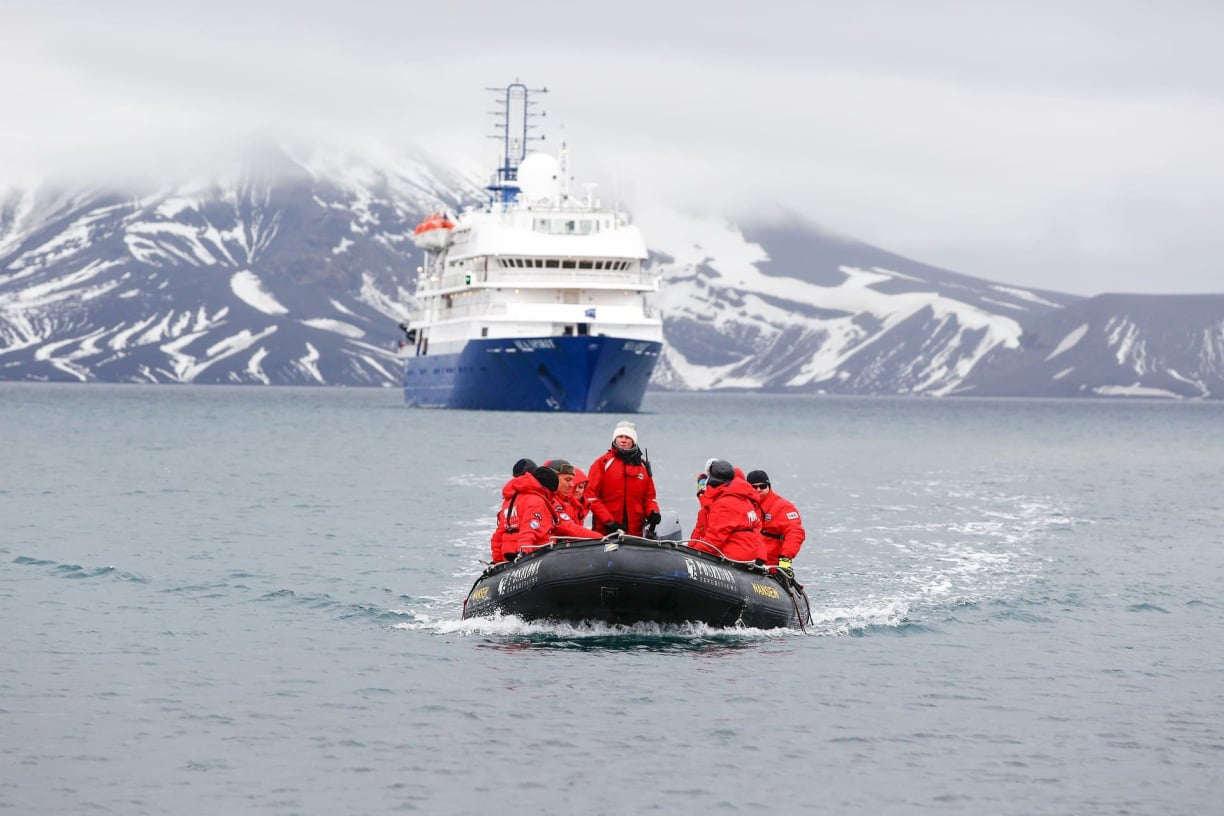
We highly recommend considering what adventure you are looking for, and then contacting your professional cruise company to choose the best option for you. Together with a cruise consultant, you can clarify all questions, discuss your dreams and expectations, and find the best time to travel. At Poseidon Expeditions, we also help you choose the best cabin category and inform you about available discounts and early booking offers.
Time and Duration Considerations
How long should your Antarctica cruise be? It all depends on what region you want to explore. While longer voyages will give you a more immersive experience, shorter cruises still offer an unforgettable introduction to the White Continent.
10-12 days
Consider a classic Antarctic Peninsula cruise. Departing from Ushuaia, you’ll cross the Drake Passage in approximately two days each way and spend the remaining days exploring the Antarctic Peninsula and the South Shetland Islands. Expect Zodiac excursions, wildlife encounters, onboard lectures, and expert-led shore landings.
15-18 days
Enjoy a more immersive experience by combining the Antarctic Peninsula with South Georgia. The additional days allow you to see spectacular king penguin colonies, elephant seals, and some of the richest wildlife habitats in the Southern Ocean.
20 days+
Combine the Falkland Islands, South Georgia, and the Antarctic Peninsula, or venture to remote regions such as the Ross Sea. These longer expedition cruises are perfect for discovering multiple ecosystems, a greater variety of wildlife, and some of Antarctica’s most important historic sites.
Don’t worry if your travel schedule is limited! Even a shorter Antarctic voyage can be a life-changing experience. And no adventure is the same: every expedition is unique and influenced by the season in which you travel, weather conditions, and wildlife activity.
Budget Considerations
An Antarctica expedition is a unique experience, and your budget will play an important role in choosing the right itinerary. Cruise prices vary depending on the route, voyage length, cabin category, ship size, and the level of luxury offered onboard.
For a classic Antarctic Peninsula cruise, expect prices to start at approximately USD 6,000 to USD 10,000 per person. These voyages are great for first-time travelers and offer a great value, combining spectacular scenery and wildlife.
Extended itineraries, including South Georgia and the Falkland Islands, typically range from around USD 12,000 to USD 20,000 per person or more. Many travelers consider these expeditions to offer exceptional value thanks to the extraordinary wildlife diversity, landscapes, and fascinating history included in a single voyage.
Luxury expedition cruises and specialized voyages, such as photography-focused expeditions, generally start at around USD 15,000 and can exceed USD 30,000 per person. Extremely remote expeditions to destinations such as the Ross Sea often start at around USD 20,000 and can exceed USD 40,000 per person.
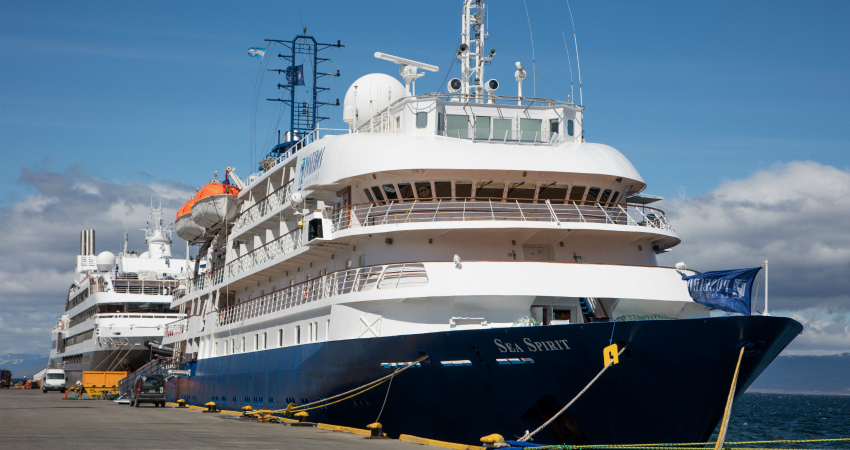
Whatever your budget, booking early is the best strategy to receive early booking discounts and special offers. Early reservations also offer the widest selection of cabins and preferred departure dates. In some cases, last-minute bookings can get you a great deal, though they require flexibility regarding cabin category and departure date.
Matching Routes to Your Special Interests
The best Antarctic route for you isn’t necessarily the longest one, but the one that best matches your interests. Whether you are a photography enthusiast dreaming of capturing massive icebergs, a wildlife lover longing to see charming penguins, or a history buff wanting to follow in the footsteps of legendary explorers, there’s an expedition designed for you.
Looking for incredible wildlife encounters? Choose an extended wildlife Antarctica cruise that includes South Georgia Island or the Weddell Sea. South Georgia is home to vast king penguin colonies, southern elephant seals, Antarctic fur seals, and nesting albatrosses. It’s one of the richest wildlife destinations in the Southern Ocean. If you want to see emperor penguins, the Weddell Sea offers the best chance to visit the colony near Snow Hill Island. If you’re looking for prime whale watching, an expedition to the Antarctic Peninsula in February and March is a good match for you.
For photographers, the Lemaire Channel, Gerlache Strait, and Paradise Bay on the Antarctic Peninsula are perfect places to capture the incredible landscapes. Expect dramatic glaciers, sculpted icebergs, and snow-capped mountains, while curious penguins and seals create endless wildlife photo opportunities. Choose early- or late-summer departures to experience the landscapes bathed in golden evening light and sunsets, or travel during the height of summer if you prefer up to 20 hours of daylight to maximize wildlife sightings.
If you’re fascinated by the history of early Antarctic exploration, a Ross Sea expedition will take you back in time to the Heroic Age of Antarctic Exploration. Visit the preserved expedition huts of Robert Falcon Scott and Ernest Shackleton, and stand in the very places where some of the greatest polar expeditions began. To visit Ernest Shackleton’s resting place, choose an itinerary that includes South Georgia, where you can toast to his memory at the gravesite in Grytviken cemetery.
If you’re an active traveler, choose an itinerary that includes optional adventures such as sea kayaking or overnight camping in Antarctica. Choose an Antarctic Circle crossing expedition if you’re looking for an extraordinary achievement and unforgettable polar experience.
Still deciding which route is right for you? Check out our upcoming departures and browse our cruise catalog. At Poseidon Expeditions, we offer a variety of itineraries from classic Antarctic Peninsula cruises and South Georgia wildlife expeditions to comprehensive Antarctic Circle crossing adventures. As an IAATO member since 2011 with over 27 years of polar experience, our team of naturalists, geologists, and historians will bring each region to life. Contact our expedition consultant and let them help you find the best adventure for you.
Frequently Asked Questions
What are the different Antarctica itinerary options?
Antarctica cruise routes range from the classic 10- to 12-day classic Antarctic Peninsula cruises to longer voyages that include South Georgia and the Falkland Islands, which take around 18 to 22 days. Other options include Antarctic Circle crossings and Weddell Sea expeditions in search of emperor penguins, as well as Ross Sea voyages. Each itinerary offers a different combination of wildlife scenery, history, and adventure.
What should I consider when choosing an Antarctica cruise itinerary?
The three most important factors are your available time, budget, and travel interests. Wildlife enthusiasts often prefer South Georgia, photographers are drawn to the Antarctic Peninsula, while history lovers may enjoy a Ross Sea expedition. Ship size is another important consideration. Smaller expedition ships, such as the 114-passenger M/V Sea Spirit, allow all guests to go ashore together without rotations, maximizing time spent exploring.
What are the time and duration considerations for an Antarctica cruise?
Classic Antarctic Peninsula cruises usually take around 10 to 12 days, including the Drake Passage crossing. Itineraries combining the peninsula with South Georgia generally take 15 to 18 days, while extended expeditions including the Falklands, South Georgia, and Antarctica, or voyages to the Ross Sea, typically require 20 days and more.
Where do Antarctic cruises go?
Antarctica cruises departing from Ushuaia explore the Antarctic Peninsula, the South Shetland Islands, South Georgia Island, the Falklands, as well as the Weddell Sea or Antarctic Circle. Some specialized voyages, typically departing from Australia or New Zealand, venture to the Ross Sea and East Antarctica.
What are Antarctic Peninsula cruises?
Antarctic Peninsula cruises are typically 10- to 12-day expeditions departing from Ushuaia and crossing the Drake Passage to reach the northernmost parts of Antarctica. Depending on weather and sea ice conditions, they usually include multiple shore landings and Zodiac excursions at sites such as Paradise Bay, the Lemaire Channel, Deception Island, and Port Lockroy, with optional activities such as sea kayaking and overnight camping.
Related Cruises
Antarctica


Classic Antarctica
.png)
Antarctic Circle