What to Expect on an Antarctica Cruise: An Expert's Guide to the White Continent
An Antarctic voyage is more than just a journey to set foot on the White Continent. It’s an invitation to experience the raw Antarctic beauty, from towering icebergs and snow-covered peaks to penguin gatherings and whales surfacing beside your ship. But what else can you expect on an Antarctica cruise?
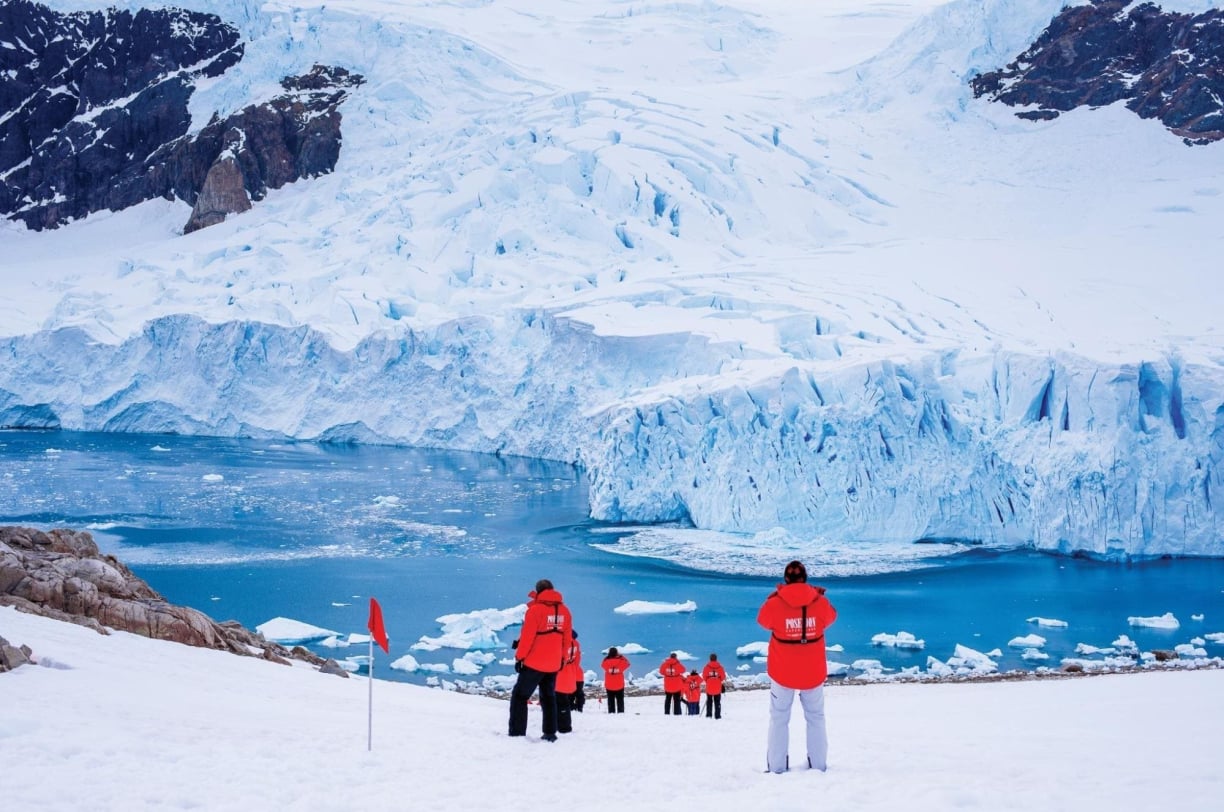
Typically lasting from 10 to 23 days, an Antarctic expedition cruise takes you from one of the gateway ports of Ushuaia, Argentina, or Punta Arenas, Chile, across the legendary Drake Passage toward the Antarctic Peninsula. Aboard a small expedition ship, the crossing takes around two days. Once you arrive in Antarctic waters, your days are filled with wildlife encounters, Zodiac excursions, guided shore landings, and expert-led briefings and workshops. Typically, we’ll schedule around two shore landings a day, each lasting from one to three hours. Life aboard the small expedition ship is just as much a part of the adventure as your off-ship activities. Expect fascinating lectures from onboard scientists, naturalists, and historians, which will prepare you for what you will see during the trip. Enjoy relaxed meals with fellow travelers, comfortable cabins, and special events aboard.
Whether you are a seasoned polar travel expert or setting out on your first life-changing adventure, knowing what awaits you will help you make the most of your time in Antarctica. We’ve prepared a guide to exploring the White Continent for your upcoming adventure.
When to Go: Understanding Antarctica's Seasons
Wondering about the best time to visit Antarctica? Expedition cruises generally run only during the austral summer, from November to March. That’s when longer daylight hours, warmer temperatures of around -5°C to 5°C (23°F to 41°F), and retreating sea ice make the Antarctic Peninsula accessible for travelers. Throughout the Antarctic travel season, conditions and wildlife viewing opportunities vary by location and the exact month you travel.
Each month offers a different perspective on the White Continent. In November, pristine snow, dramatic sea ice, and towering icebergs create spectacular scenery, while penguins begin courtship and nest-building. December and January bring more daylight, favorable weather and sea conditions, and a chance to see penguin chicks. Chinstrap penguins lay their eggs in late November, and chicks hatch in early January, while Adélie penguin chicks hatch a little earlier, in late December. February and March are prime time for whale watching, while penguin chicks start to become independent.
If pristine landscapes and an Antarctic wonderland awakening after a long winter appeal to you, November is your ideal travel month. Prefer long daylight hours and the chance to see penguin chicks? Consider December or January. If whale encounters are at the top of your wish list, February and March offer excellent opportunities. Each month has its own magic, and the best time for your Antarctica cruise depends on which moments you hope to experience.
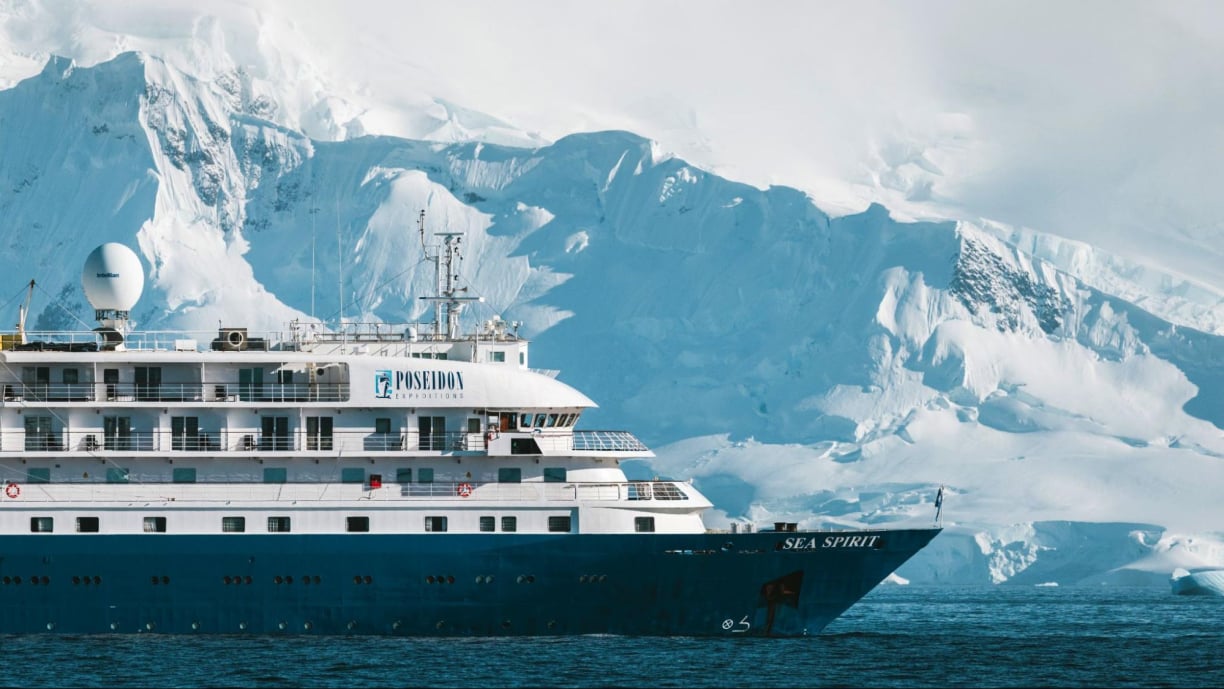
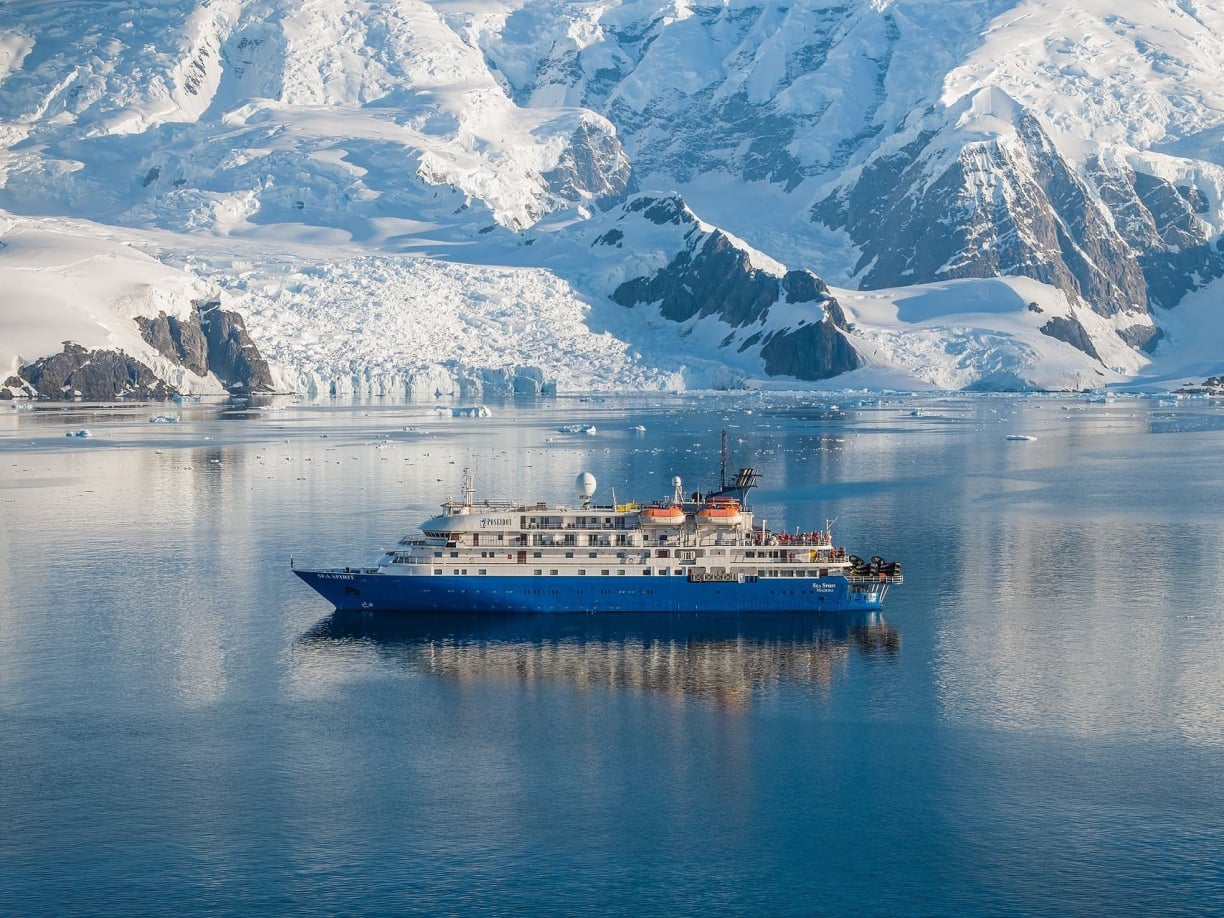
Choose your favorite Antarctic season and travel with us aboard the 114-passenger M/V Sea Spirit. As an IAATO member, we follow responsible wildlife-viewing practices and Antarctic landing protocols. As a small-group expedition cruise operator, all of our guests can explore together, maximizing their time enjoying Antarctica, with up to three landings a day, averaging around 2.5 hours each. Explore our Antarctic Peninsula itineraries and cruise schedules to find the expedition that best matches your adventurous spirit.
Antarctic Peninsula Cruise Season Comparison
|
Month |
Temperatures |
Daylight |
Wildlife Highlights |
Ice Conditions |
|
November |
-5°C to 0°C (23–32°F) |
18-20 hours |
Penguin courtship and nest-building |
More sea ice, pristine snow and dramatic icebergs |
|
December |
-2°C to 3°C (28–37°F) |
20 hours |
Penguin eggs hatching |
Ice retreating, opening of southern sea routes |
|
January |
0°C to 5°C (32–41°F) |
20+ hours |
Active rookeries, growing chicks |
Less sea ice, access to Antarctic Circle |
|
February |
-2°C to 4°C (28–39°F) |
16-20 hours |
Whale watching, fledging penguin chicks |
Waterways open further to the south |
|
March |
-5°C to 3°C (23–37°F) |
12-15 hours |
Whale watching, penguin chicks grow up, late-season wildlife |
Sea ice returns |
What Wildlife You'll Encounter
For many travelers, Antarctic wildlife is a major highlight of a cruise to the White Continent. From busy penguin colonies and curious seals to whales and seabirds, iconic wildlife encounters will turn an already incredible journey into an unforgettable experience. The specific wildlife encounters always depend on the season you travel and your itinerary.
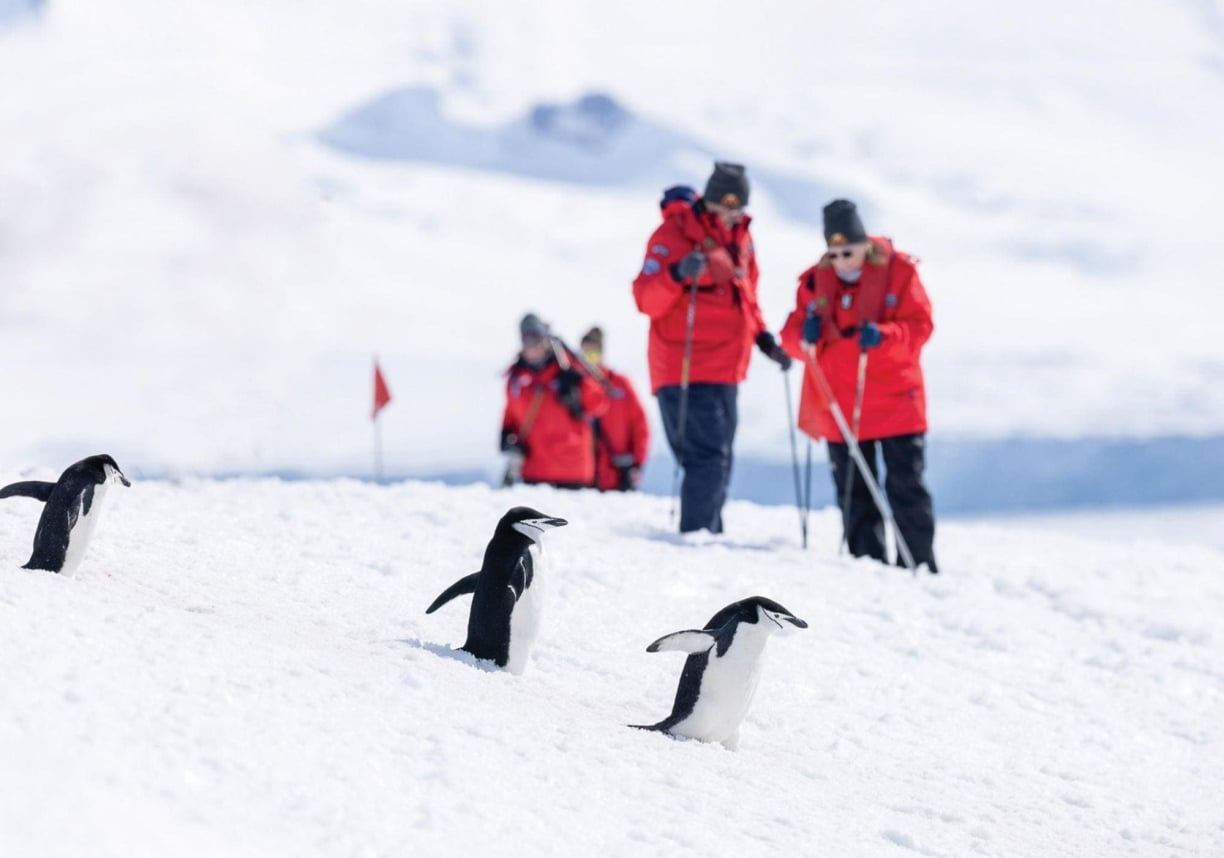
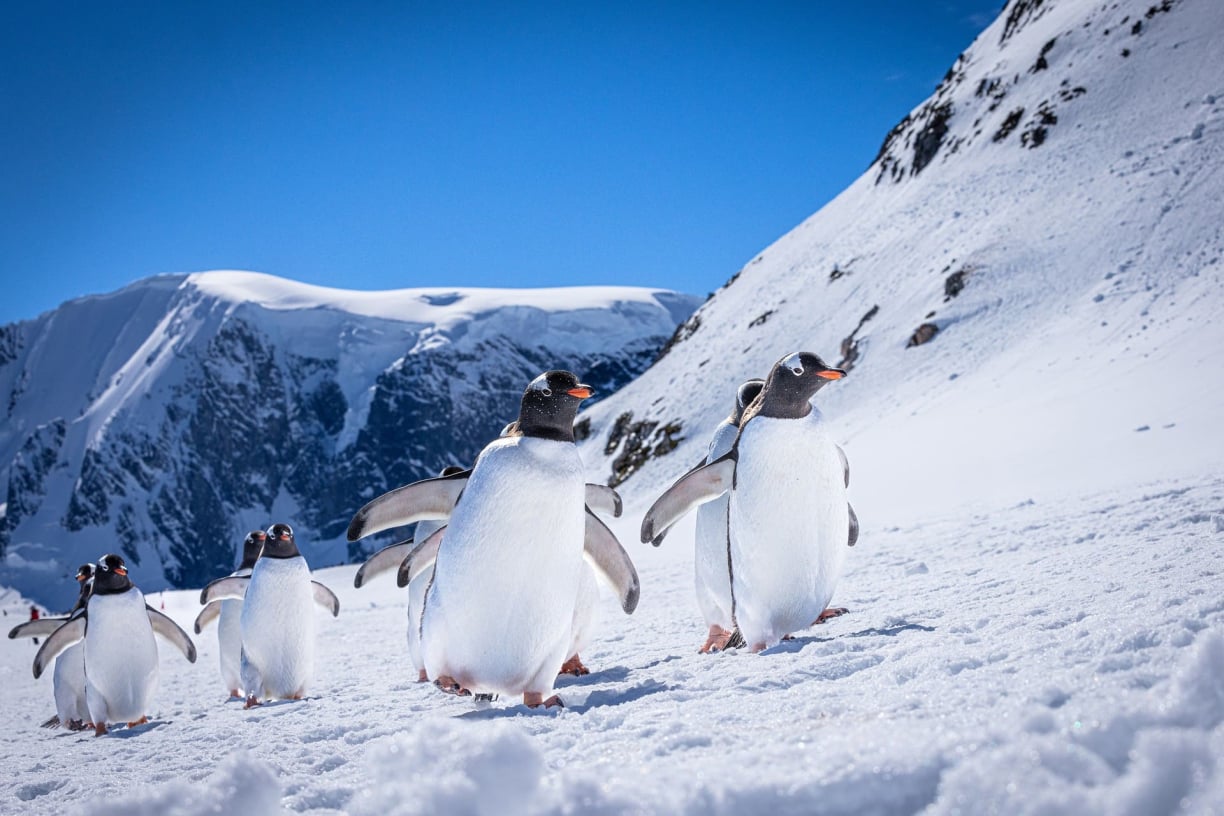
Along the Antarctic Peninsula, you may encounter three species of penguins: gentoo, chinstrap, and Adélie. Watch gentoos waddling between their colonies and the sea, while chinstraps and Adélies crowd into large breeding colonies during the austral summer. Depending on the time of your visit, you may see flirtatious courtship displays, nesting adults, newly hatched chicks, or young penguins gathering in crèches.
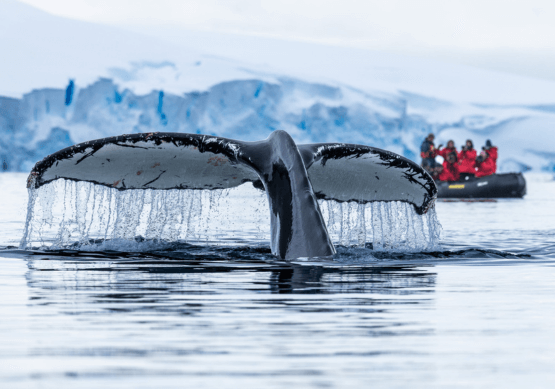
Toward the end of the cruising season, you have great opportunities to spot humpback and minke whales. You can often spot them right from the ship or see them surfacing next to your Zodiac boat. You may spot leopard seals, one of the most powerful predators of the region, resting on ice floes or hunting penguins. Weddell and crabeater seals are also found around the Antarctic Peninsula. Seabirds, such as albatrosses, petrels, and skuas, may accompany our ship and Zodiacs, making the journey a dream for bird lovers. Our professional wildlife guides and expedition team will brief you throughout the journey and always help ensure that encounters are safe. We follow IAATO protocols and ask guests to maintain a distance of at least 5 meters (15 feet) from wildlife on land, and for some species, even greater distances may be necessary.
Penguin Encounters
Penguins are the most iconic species in Antarctica, and nothing quite prepares you for the first time you encounter a busy penguin colony. Before you even see the birds, you may hear – and smell them. The closer you are, the louder the braying. Depending on the season, you can either spot penguin mating behavior, adults tending to their nests and eggs, or feeding their hungry chicks. Adults call to locate their partners and chicks, shuffle between nests and the sea, and fiercely defend their nesting territories. These colonies can be incredibly large, spreading across the landscape, with hundreds or thousands of birds. Penguin colonies are a dream for photographers: adorable penguins going about their business, surrounded by some of the most incredible landscapes on the planet!
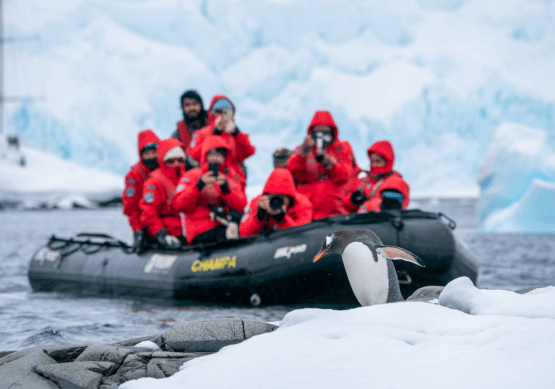
Cruising in Zodiacs, you may spot penguins torpedoing through the water, emerging ashore, or diving into the ocean. If you visit the Antarctic Peninsula, you may encounter gentoo, chinstrap, and Adélie penguins. Their breeding cycles differ slightly, so what exactly you’ll see depends on the month you travel. Adélies begin breeding earlier, laying eggs in November and hatching chicks in late December. Chinstraps generally lay their eggs later, with chicks hatching in early January. Gentoo chicks typically hatch throughout December. As responsible tour operators, we ensure that our travelers maintain a distance of at least 5 meters (15 feet) from penguins and do not block their routes between the colony and the sea. A penguin always has the right of way! If you see a penguin approaching you, step aside and let it pass.
Penguin photography pro tip: Use a zoom or telephoto lens rather than moving closer. Keep your camera low and movements slow – you’ll get the best wildlife photos when the animal doesn’t feel disturbed and behaves exactly as it would if you weren’t there.
Ready to explore Antarctica?
Join us on an unforgettable expedition to discover the wonders you've just read about
or download our free brochure
Life Onboard: Your Antarctic Home
For the duration of your Antarctic journey, the expedition ship becomes your home away from home. Antarctic ships aren’t your traditional cruise liners but purpose-built vessels that can accommodate from around 50 to 500 passengers, designed to navigate remote polar waters and equipped to operate in sea ice. Most polar cruise operators offer small-ship experiences that allow them to access remote landing sites and narrow waterways, bringing passengers close to the polar wilderness. The smaller size also creates a more personal, authentic expedition atmosphere, where you can get to know fellow travelers and your expedition team.
The ship combines all the features needed for polar exploration while offering cozy cabins in different categories, lounges to relax in after a long day of exploring, a restaurant, and outdoor observation areas. Depending on the vessel, you may also find a library, fitness room, sauna, or other amenities to enjoy between excursions. Most expedition ships also feature a room for onboard lectures and workshops.
Once you board the cruise ship, your journey to the White Continent begins with the legendary Drake Passage. If your itinerary starts in Ushuaia, Argentina, the crossing will take you around 36-48 hours each way. The passage can be rough at times but is also an exciting part of the voyage, offering opportunities to spot seabirds and whales while getting your sea legs. Cabin types vary from single rooms to spacious suites, and choosing the right cabin based on your preferences and budget is a crucial part of making your trip comfortable and enjoyable. We recommend studying the details of your expedition ship before making your final booking choice. Knowing what to expect on an Antarctica cruise will help you make the most of your time aboard.
Experience the M/V Sea Spirit
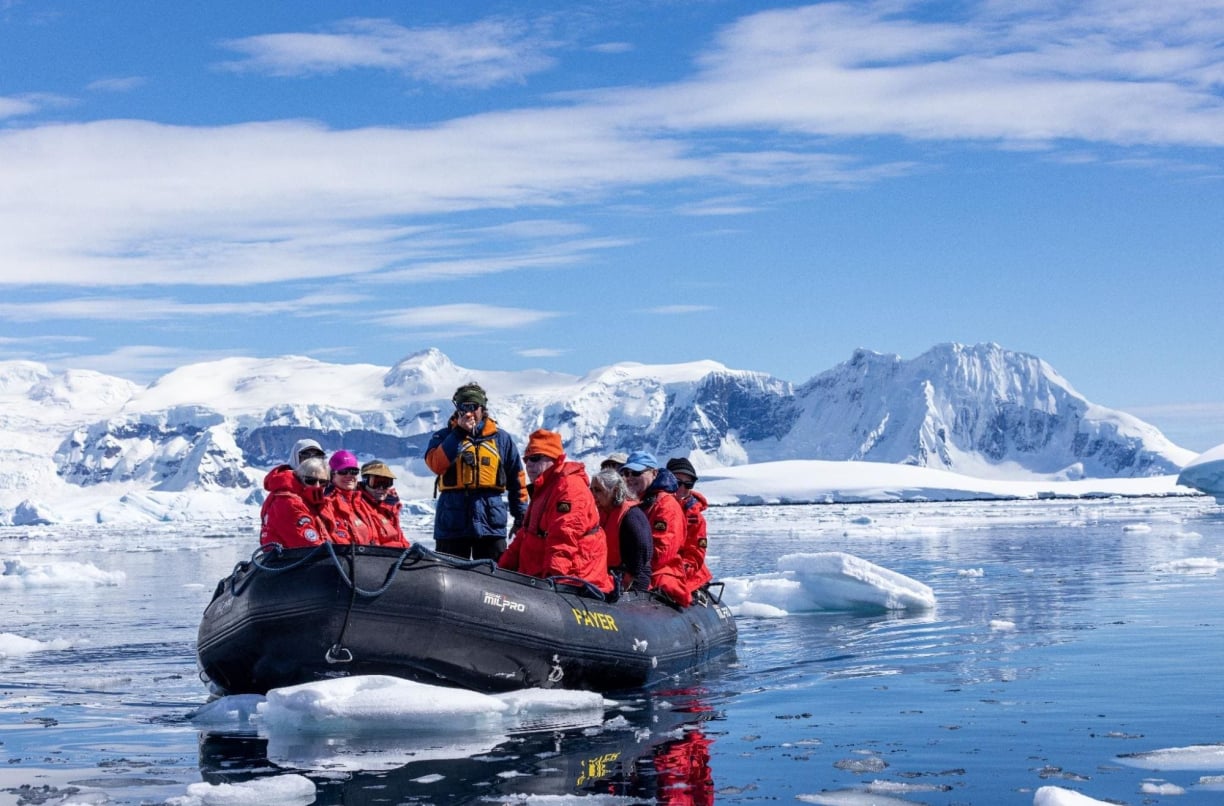
Poseidon Expeditions’ 114-passenger, ice-strengthened polar vessel, M/V Sea Spirit, combines the atmosphere of a small expedition ship with spacious suite accommodations. Retractable fin stabilizers help reduce pitching and rolling during the Drake Passage crossing, and a fleet of Zodiac boats supports our shore landings and excursions. With only 114 passengers aboard, all of our guests can explore together, without group rotations. Discover the M/V Sea Spirit and get a glimpse of what a journey aboard may look like.
Accommodations and Dining
Antarctica cruise accommodations vary depending on the ship type, size, and cabin category. Most expedition ships feature different cabin types, from triple to double, and from basic cabins to larger suites that feature various sizes, layouts, and amenities. Most ship cabins include a private bathroom, storage space, and a window or porthole. More luxurious options may include lounges and balconies. Most tour operators also offer a single traveler supplement option, allowing solo travelers to book the entire cabin to enjoy more privacy. When choosing your cabin, consider not only your budget but also how much space and comfort you would like during your time at sea.
Dining on an Antarctica cruise is generally more relaxed than dining on traditional cruise liners. Meals are typically included in your cruise package, along with excursions and lectures, and you will often find a 24-hour tea and coffee station on board. Depending on the vessel, you may enjoy breakfast, lunch, and dinner in a restaurant setting, either à la carte or buffet-style. The open seating policy on many expedition ships gives you a chance to connect with fellow travelers. Without an assigned seat at the same table, you can mix and mingle with other guests and your expedition team during mealtimes. Most dinners are casual, meaning you don’t have to dress up after a day exploring. We recommend packing one smart casual outfit for the trip, for the captain’s dinner, welcome and farewell cocktails, or any special events aboard, such as Christmas or New Year’s in Antarctica.
The Expedition Team and Educational Program
One of the most important parts of any voyage is a highly experienced Antarctica expedition team. Rather than just transporting you from one destination to another, authentic polar expeditions carry professional expedition leaders, naturalists, marine biologists, geologists, and historians to enhance your experience and help keep you safe. According to IAATO requirements, at least 50% of the expedition staff of Antarctic tour operators has to have previous Antarctic experience.
Each of the onboard specialists brings a different perspective to the journey during guided shore walks, Zodiac excursions, onboard lectures, and informal conversations. Depending on your itinerary, you may learn about Antarctic ecosystems and climate change, geology, marine wildlife, or the history and adventures of early polar explorers. Some expedition cruises also invite scientists to conduct research throughout the voyage and sometimes even invite guests to join citizen science projects aboard. This means that you could be part of an important scientific project to study cloud cover, penguin and whale populations, or other aspects of the Antarctic environment.
Our blog article on the Antarctic Convergence offers a great example of this approach: naturalists, biologists, geologists, and historians with hundreds of polar expeditions behind them can turn a navigational milestone into a fascinating part of the expedition experience. It shows how a professional expedition team can explain something happening around you and turn it into part of an unforgettable experience.
Your Fellow Travelers
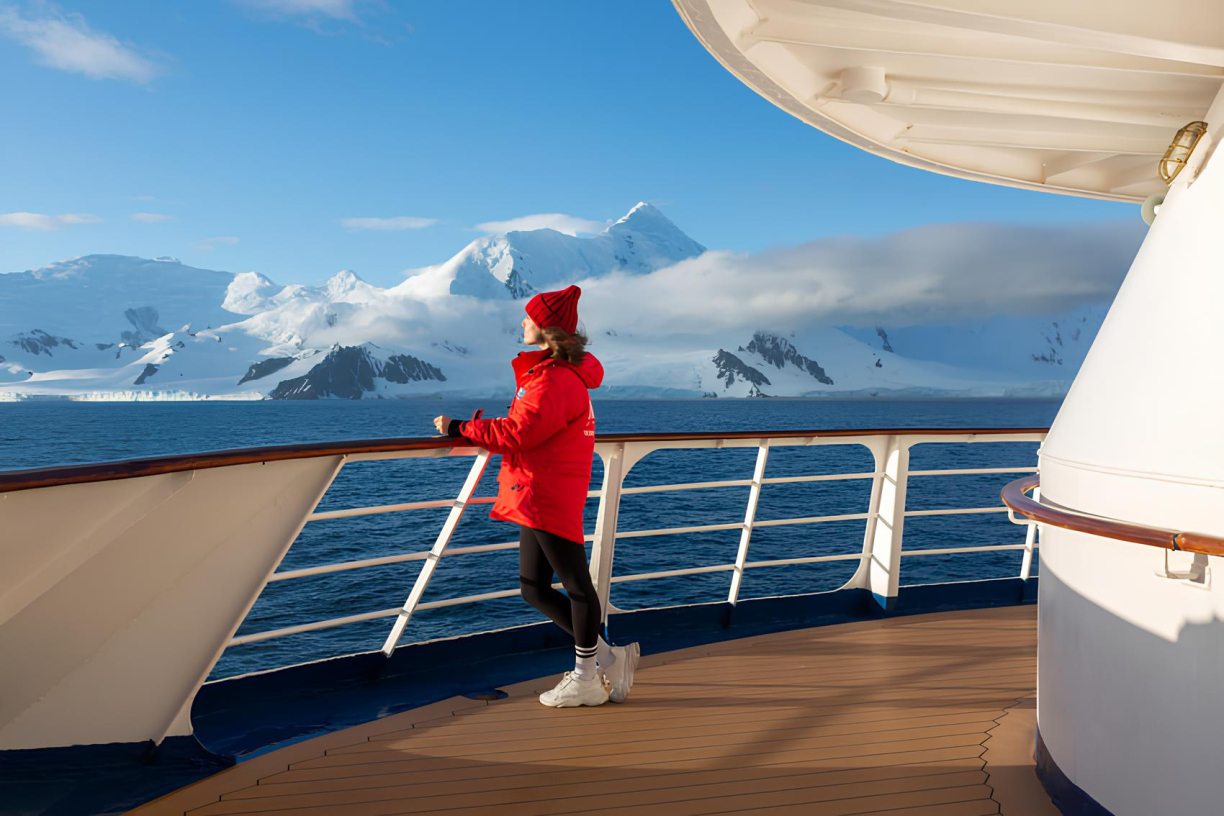
Unique adventures, such as an Antarctica cruise, attract a fascinating mix of people from around the world united by a shared curiosity for the remote corners of the world. Depending on your cruise ship, you may be traveling with anywhere from around 50 to 500 passengers, but authentic expedition cruises generally offer a much more intimate atmosphere than large conventional cruise ships.
You’ll meet couples, families, groups of friends, photographers, wildlife enthusiasts, experienced expeditioners, and plenty of solo travelers. Visiting the White Continent is for many the trip of a lifetime, and travelers share a common desire to explore, learn, and experience something extraordinary.
The social aspect of an Antarctica cruise develops very naturally on board. You might meet someone over breakfast, discover that you share an interest in photography, and find yourself comparing penguin photos after every landing. Or you might join the kayak team and hang out in the lounge every evening to debrief over a drink. By the end of the voyage, like-minded travelers who started as strangers may feel like old friends. And the connections don’t necessarily end when you disembark. Passengers may exchange contact details and stay in touch for years, meet up again in other parts of the world, or even plan future polar adventures together. An unforgettable shared experience can be the beginning of a friendship that travels far beyond Antarctica.
Day-to-Day Activities in Antarctica
What does a typical expedition day look like on an Antarctica cruise? While every expedition day is different, a typical day includes exploration, wildlife encounters, and time to learn about what you see.
Your day usually starts with a hearty breakfast and a morning briefing with your expedition team, who explain the plans for the day and provide important information about the weather, sea conditions, and what wildlife you may spot. Then it’s time to get dressed and head out. Depending on the location and conditions, you may take a Zodiac boat to shore for an expedition landing or cruise along the coastline in search of Antarctic wildlife. Landings typically last around one to three hours, although weather and ice conditions can change plans at any time.
After returning to the ship for lunch, you might join an onboard lecture, relax on deck, visit the captain’s bridge, or head out again for another Zodiac cruise or landing. Don’t forget your camera, as you may spot penguins, seals, whales, seabirds, or spectacular icebergs and snow-covered peaks. If you have booked an additional activity such as kayaking or overnight camping, it may be incorporated into your expedition day, depending on the itinerary and conditions.
Typical evenings start with dinner, followed by an evening recap, where the expedition team reviews the day and shares highlights. The exact Antarctica daily schedule remains flexible – the weather, sea ice, and wildlife always have the final say on your voyage.
Frequently Asked Questions
What is a typical day like aboard an Antarctica cruise?
A typical day on an Antarctica cruise combines shore excursions, Zodiac cruises, wildlife viewing, onboard lectures, and time to relax aboard. Most expedition cruises aim for one or two landings per day. The schedule typically remains flexible but always depends on sea ice, weather, and wildlife conditions.
What should I pack for an Antarctica cruise?
Pack warm, waterproof layers that you can easily add or remove. Don’t forget waterproof pants, which are essential for shore landings, a warm hat, gloves, and sunglasses. Most cruises offer rubber boots for the duration of the cruise, and an expedition parka for you to keep. Pack your essentials, such as a camera, chargers, spare batteries, as well as any medication you require during the trip.
Will I get seasick on an Antarctica cruise?
Seasickness varies from person to person, and the Drake Passage is unpredictable: sometimes you will experience calm waters (“Drake Lake”) and sometimes the crossing can be rough (“Drake Shake”). Once you reach Antarctic waters, conditions are considerably calmer. If you are prone to motion sickness, talk to your doctor about seasick medication before traveling. Ships have an onboard physician who can assist in case of severe seasickness.
What wildlife can I expect to see and how close will I get?
Antarctic wildlife may include penguins, seals, whales, and seabirds, although sightings can never be guaranteed. During expedition landings and Zodiac cruises, you may spot animals at relatively close distances, but don’t forget that you must maintain at least a 5-meter (15 foot) distance from wildlife and give animals the right of way.
When is the best time to visit Antarctica?
The Antarctic cruise season generally runs from November through March, with each month offering different wildlife highlights. Early-season voyages offer dramatic landscapes and penguin courtship, while later in the season you may have good opportunities for whale sightings. The best time depends on what expectations you have and what you want to see the most.
Related Cruises
Antarctica


Classic Antarctica
.png)
Antarctic Circle