How to Choose an Antarctica Cruise Operator: An Expert Guide to Finding the Perfect Expedition
Antarctica is a once-in-a-lifetime destination for many travelers, and choosing an Antarctica cruise operator to travel with is much more than comparing prices and itineraries. Ship size matters, as does the guide-to-passenger ratio, which ideally should be around 1:10-1:15. IAATO membership is a non-negotiable baseline to ensure that you’re traveling with a professional operator following all safety and environmental protocols. And for an authentic expedition experience, smaller ships with only around 100 passengers are the best choice, as IAATO rules in Antarctica limit landings to 100 people at a time. Larger ships require group rotations, as not all passengers can go ashore at the same time.
For most travelers, the journey begins in Ushuaia, Argentina, crosses the Drake Passage, and heads toward the Antarctic Peninsula. But before you begin your expedition, let’s take a look into how to choose the right operator for your Antarctic adventure. We’ve put together a small guide to help you decide, and choose an Antarctica cruise operator that makes your trip unforgettable.
The Critical Impact of Ship Size on Your Antarctic Experience
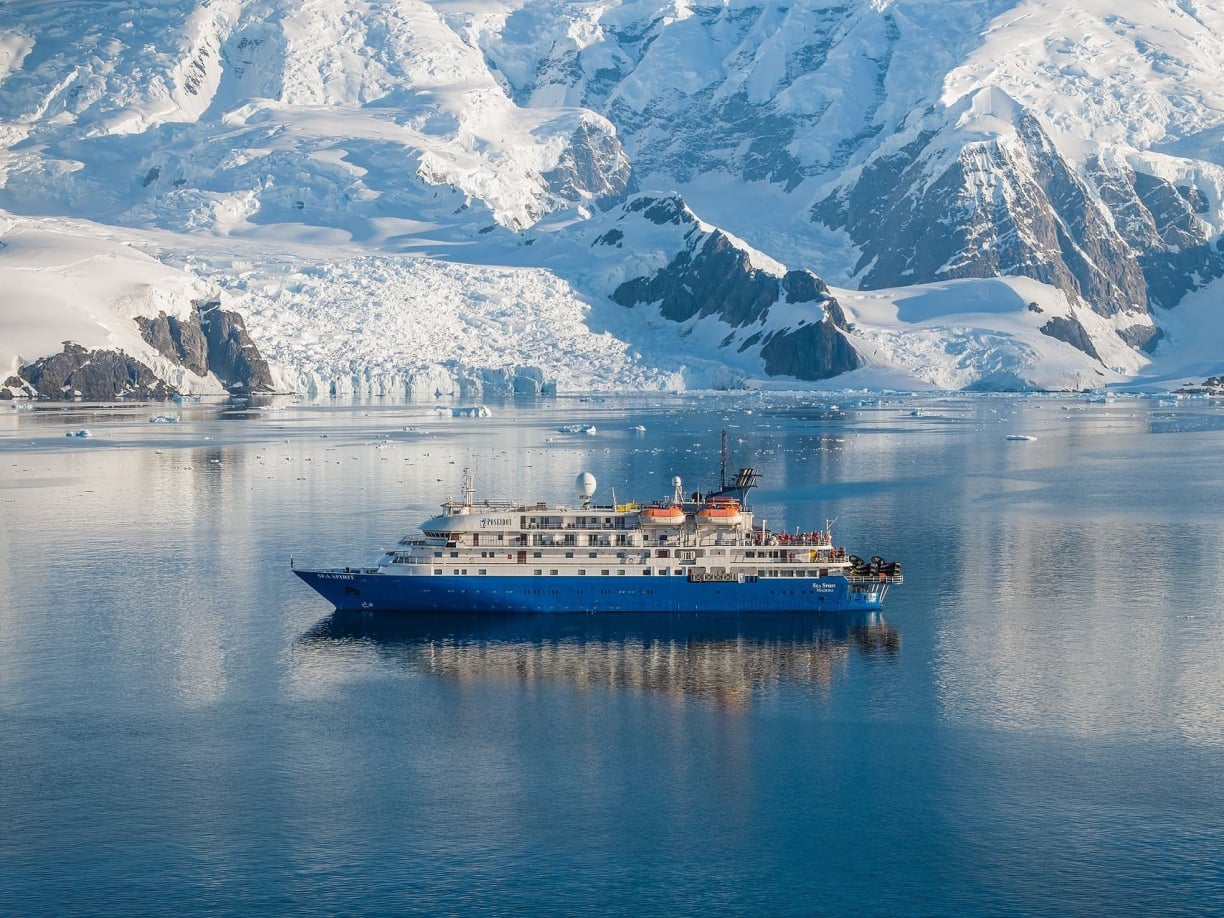
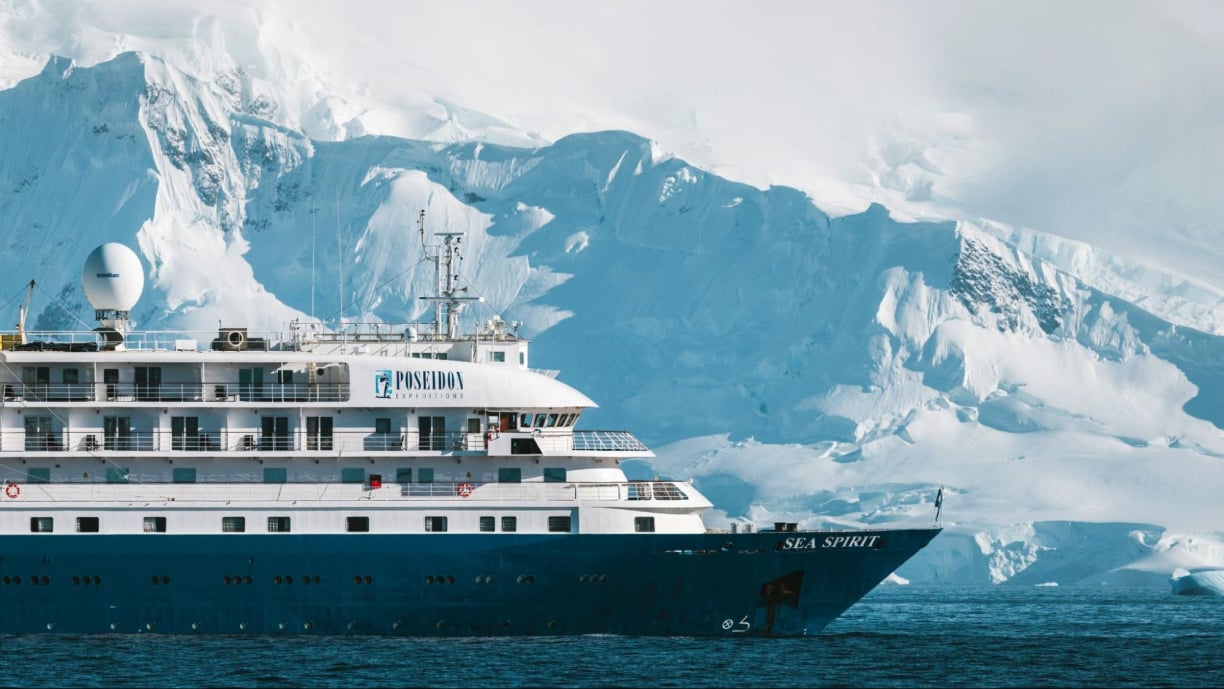
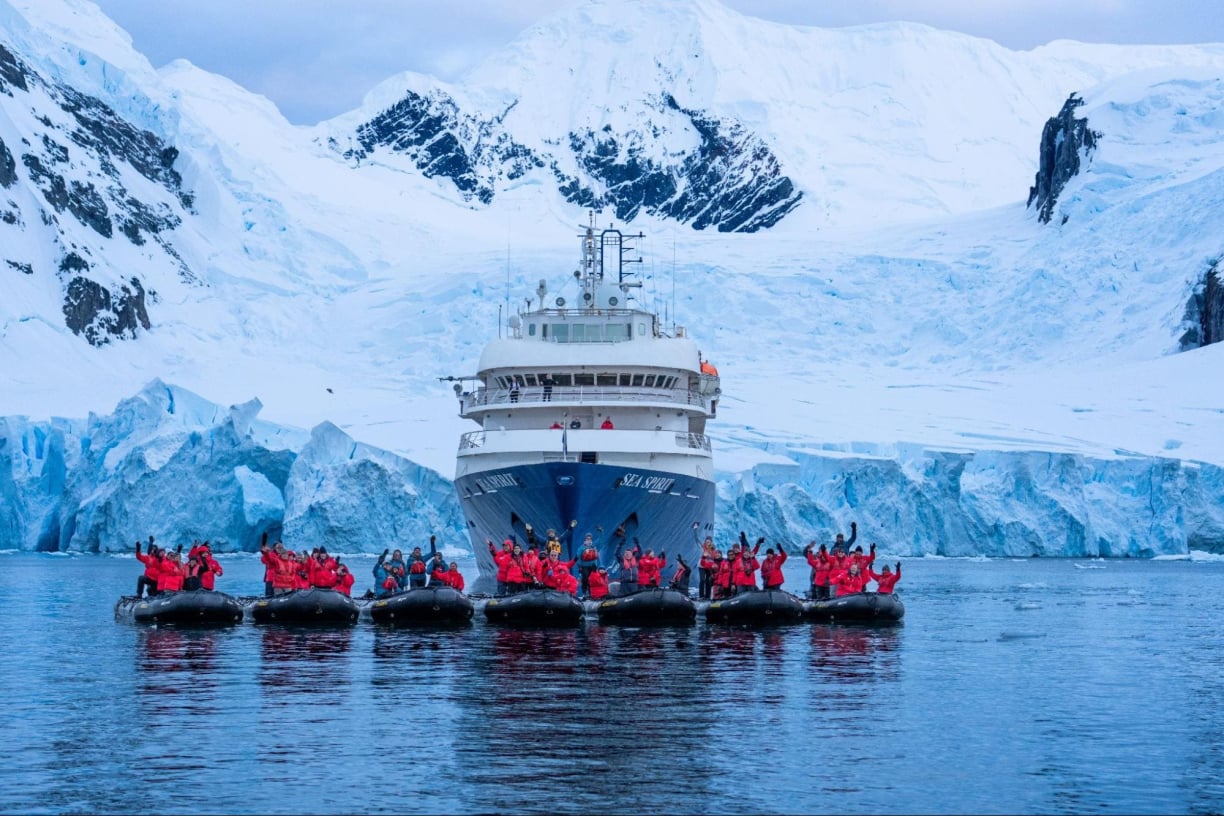
Does it matter on which ship you sail? On an Antarctica voyage it does – it can make a surprisingly big difference if you journey aboard a large ship or a small expedition vessel. Antarctica cruise operators offering small-ship experiences offer more time ashore and on Zodiac excursions, with minimal waiting time and group rotations. Larger vessels with around 200 passengers or more simply cannot replicate this kind of intimate journey and Antarctic landing experience, need to split groups, or have people waiting aboard. This is crucial, as IAATO guidelines limit the number of visitors ashore at landing sites to 100 at any one time. Our Poseidon Expeditions cruise ship, M/V Sea Spirit, carries just 114 guests, and allows all passengers to go ashore or take a Zodiac cruise simultaneously, maximizing your time exploring Antarctica.
Whether it’s onboard lectures, guided shore walks, or Zodiac excursions, a small ship cruise feels more personal and like a true expedition adventure. Spend more time watching wildlife, talk to our wildlife experts, and receive personal attention from the expedition team throughout the voyage. To ensure you make the most of your Antarctic journey, we recommend looking for vessels carrying roughly 70-120 passengers.
Small vs. Large Antarctic Cruise Ships – Antarctica Cruise Operators Comparison
|
70-120 Passenger Ships |
200+ Passenger Ships |
|
|
Time ashore |
More efficient embarkation and disembarkation, maximum time on land and on Zodiac excursions |
Larger passenger numbers mean group rotations, and more time waiting for your turn to go ashore |
|
Expedition atmosphere |
Intimate, personal, and closer to an authentic expedition experience |
Larger, more cruise-like atmosphere with a large group of other travelers |
|
Expedition team |
More opportunities to interact with guides, naturalists, and onboard specialists |
Fewer opportunities for personal interaction with individual specialists |
|
Wildlife viewing |
Smaller groups can make Zodiac excursions and wildlife encounters feel more personal |
Wildlife excursions may feel busier, less flexible, and crowded |
|
Onboard experience |
A close-knit community where it is easy to get to know fellow travelers |
Larger public spaces, entertainment options, but also less opportunities to form a community |
|
Stability |
Smaller vessels can feel more movement in rough seas, depending on design and stabilization system |
Larger vessels generally offer greater stability |
Understanding the IAATO Factor and Why It Matters
The International Association of Antarctica Tour Operators (IAATO) was founded in 1991 by seven tour operators to promote safe and environmentally responsible travel to Antarctica. Today, all IAATO members operate within the framework of the Antarctic Treaty System and follow extensive guidelines covering everything from wildlife encounters and landing procedures to waste management and environmental protection.
For Antarctic travelers, IAATO membership should be one of the first things to check when choosing an Antarctica cruise operator. Guidelines cover wildlife distances, biosecurity, minimizing human impact, and shore landing protocols. IAATO requires that no more than 100 visitors be ashore at one time, and that there is one staff member present for every 20 visitors ashore. As an IAATO member since 2011, we at Poseidon Expeditions are experts in polar travel, advocating for sustainable Antarctica voyages that leave a lasting impression on our guests. Travelers continuously top-rate our expedition team, appreciate the knowledge of our guides and onboard specialists, and enjoy flexible itineraries that we can offer thanks to our experience and small-group approach.
Get a more in-depth understanding of what to look for in an Antarctica cruise operator and check out our guide: Six Considerations for Antarctic Cruises. This pre-booking checklist covers everything from ship size, expedition teams, itineraries, to comfort aboard.
Responsible Travel: Environmental Considerations
Traveling to Antarctica is a privilege, but it also comes with a responsibility to leave as little trace as possible. When choosing a tour operator, we suggest looking beyond their broad claims about being “green” or “environmental” and asking what the company actually does to protect the environment. Read about their initiatives, cooperation with researchers and scientists, and citizen science projects.
A responsible operator should also have clear sustainability practices covering waste management, biosecurity, protocols on wildlife encounters, fuel and pollution prevention, and protection of sensitive landing sites. IAATO members are expected to operate within the Antarctic Treaty System and follow IAATO standards to minimize their impact on the White Continent.
How can you spot the best Antarctica cruise companies with genuine commitment rather than greenwashing? Look for specific, verifiable practices rather than vague promises. Does the operator explain how waste is handled? Do expedition teams brief guests on biosecurity and wildlife distances? Are environmental procedures clearly described before and during the voyage? A tour operator willing to be transparent about these details can give you a much better indication of its true commitment to responsible Antarctica travel.
What to Expect with Zodiac Landings
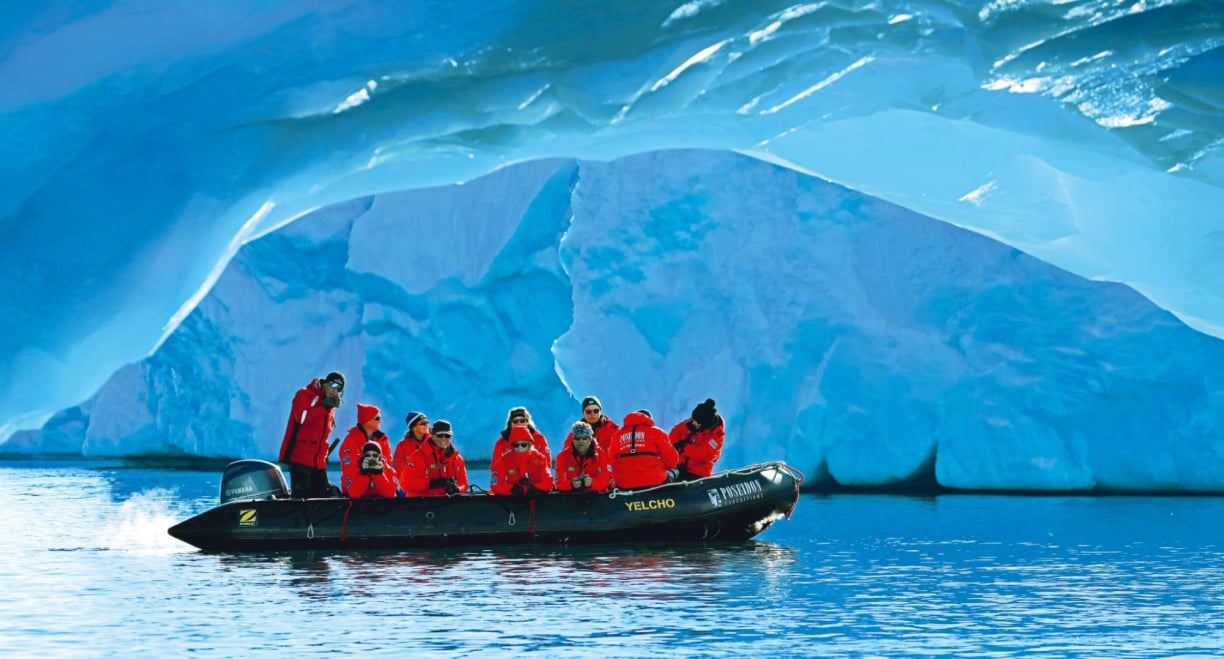
Zodiac landings and expeditions are among the highlights of your Antarctic adventure, so we highly recommend choosing operators that offer this experience. Your Antarctic landing experience can last around one to three hours, depending on weather, sea conditions, and the particular landing site.
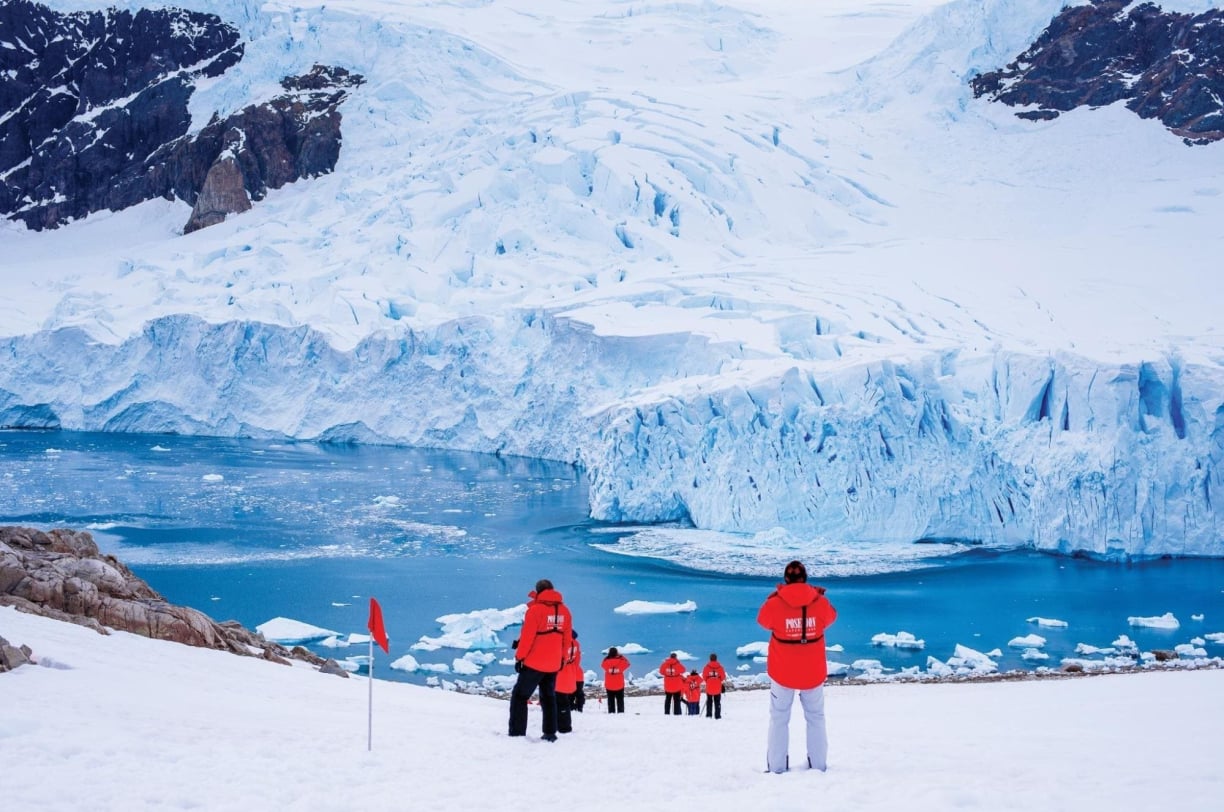
It starts with a briefing aboard. Your expedition team will explain the process, safety, and what you will see. Once everyone is ready, you’ll board the Zodiacs from the expedition ship, which will shuttle you to shore. As many of the landings around the Antarctic Peninsula and nearby islands will happen on remote and wild shores, you will have to step into shallow water upon arrival. During the cruise, we offer rubber boots for all travelers for exactly this type of landing, to keep your feet dry. Ashore, you can explore on foot, join our wildlife experts on guided walks, watch wildlife, and take in the spectacular scenery. Don’t forget your camera – you’ll get incredible opportunities for photography!
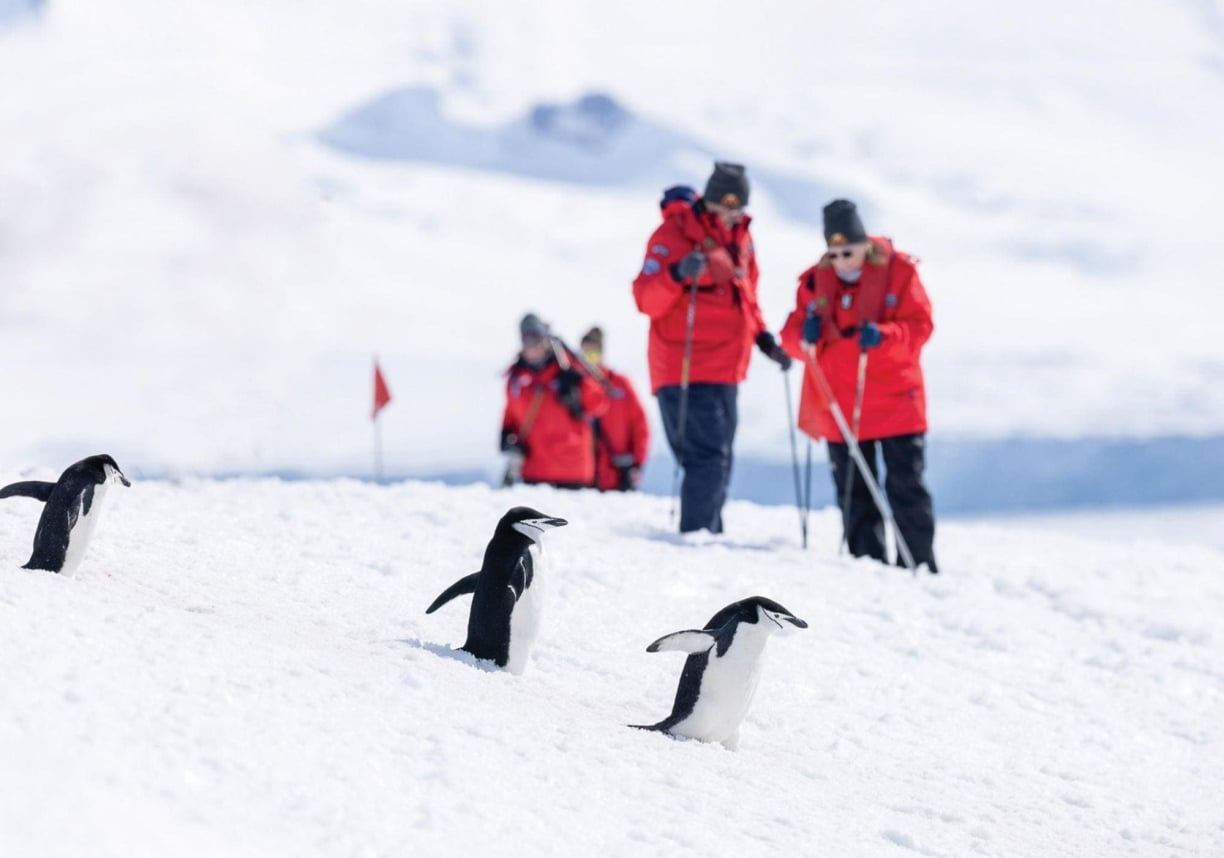
When it’s time to return, the Zodiacs bring you back to the ship. A professional Antarctica cruise operator makes this process feel smooth, with enough Zodiacs to keep groups moving efficiently and by minimizing waiting times. Small-group expeditions are also remarkably flexible when planning around weather and wildlife viewing conditions. But, as always, Antarctica has the final say: weather and sea conditions can change quickly, and landings may have to be shortened, cancelled, or rescheduled. And when conditions cooperate? That’s when the Zodiac ride will put you close to penguin colonies, seals, and other Antarctic wildlife.
Identifying Your Ideal Antarctica Cruise Type
The best way to experience Antarctica depends on your personal preferences in terms of adventure, learning, comfort, or a combination of all three. When comparing types of Antarctica cruises, start by evaluating what you want the days on your Antarctic Peninsula cruise to look like.
An expedition-focused Antarctica cruise operator puts authentic polar exploration at the heart of the journey. If you choose a small-ship expedition cruise, typically traveling with around 100 passengers, expect a professional team of naturalists, photographers, historians, marine biologists, and other relevant specialists aboard. Their knowledge will turn every Zodiac excursion and shore walk into much more than just sightseeing, helping you understand the wildlife, geology, and history you encounter. These voyages typically attract travelers from around the world who are interested in active exploration and unique experiences. Such expedition cruises may range from around US$ 5,000 to US$ 15,000 per person. As an example, our Antarctic Peninsula cruises for the 2026 season start at around US$ 13,000 (EUR 11,295) per person.
A luxury Antarctica cruise adds a higher level of comfort, from elegant accommodations and fine dining to more extensive onboard amenities, such as sauna and spa facilities. And then there are hybrid approaches, balancing expedition activities with a comfortable onboard experience.
At a glance: which Antarctica cruise style suits you?
|
Expedition |
Luxury |
Hybrid |
|
|
Ship Size |
Small to mid-size (usually around 100 travelers) |
Mid-size to large (around 200+) |
Small to mid-size |
|
Focus |
Authentic exploration, wildlife, onboard lectures, citizen science projects |
Comfort and exploration |
Expedition adventure and comfort |
|
Staff/Crew |
Expedition style/scientific |
High-quality and luxury service |
Expedition style and enhanced service |
|
Comfort Level |
Comfortable, practical |
Premium comforts |
Comfortable to premium |
|
Ideal Traveler |
Photographers, naturalists, active explorers |
Comfort-seekers who also want some degree of adventure |
Travelers wanting the best of both |
|
Approximate Price Range |
Ca. US$ 5,000-US$ 15,000 |
Ca. US$ 15,000-US$ 50,000 |
Ca. US$ 8,000-US$ 25,000 |
Specialized Themes and Focused Activities
Look beyond the itinerary when choosing an Antarctica cruise operator! What other activities are offered that you’re passionate about? It’s not only about the specific itinerary, but also the additional activities offered that will greatly enhance the expedition approach and the way you experience the region.
Photography: Cruises may include extended time ashore, specialized photography workshops, special guests, or even journeys entirely designed around photography.
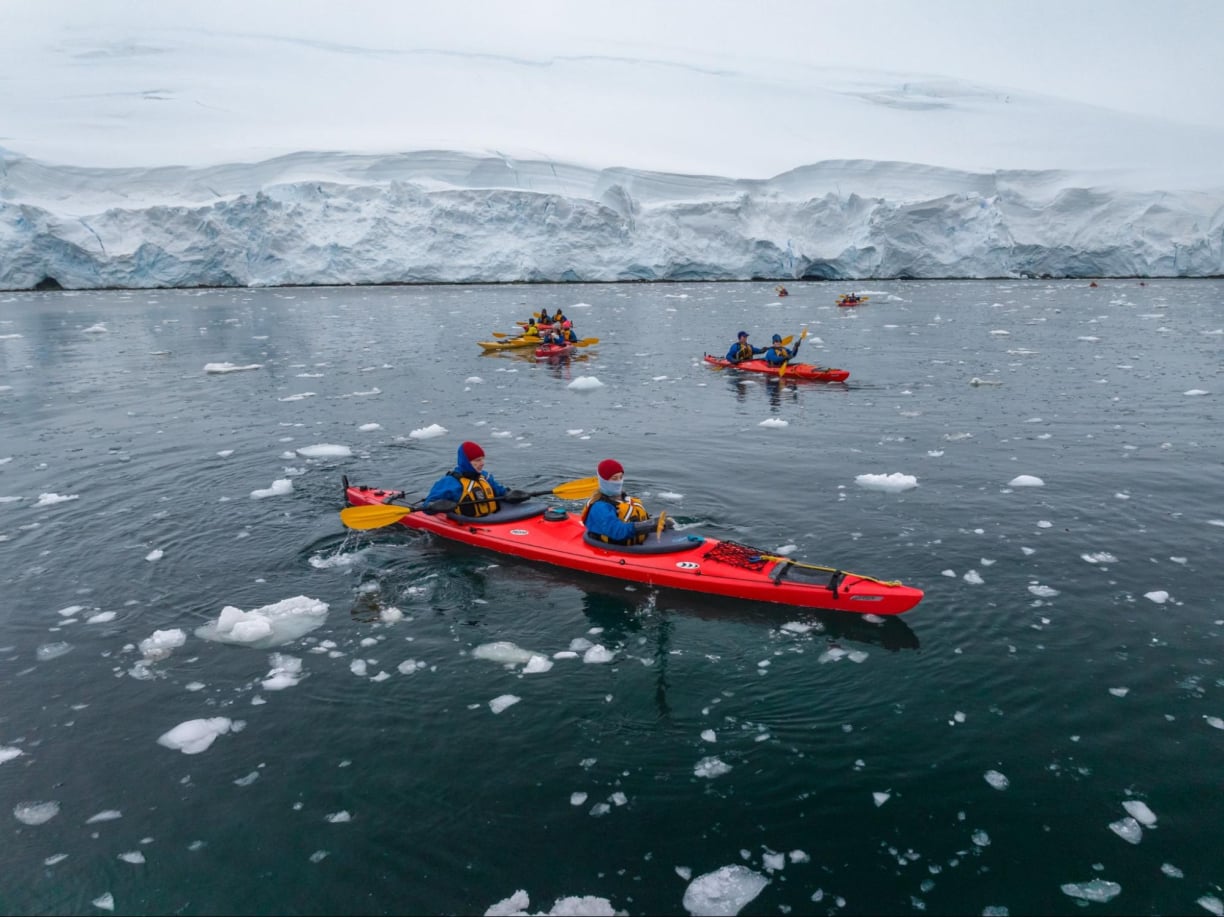
Kayaking: Look for small-group kayaking, including high-quality equipment, and experienced kayak guides. Always ask your tour operator prior what experience level is needed to join, and book way in advance, as spots in smaller kayak groups usually fill up fast.
Camping: Antarctica camping requires specialized equipment and professional environmental procedures. Check what gear is provided and how overnight camping is managed by the expedition team. Sign up in advance, as this experience is usually reserved for only a small group of people.
Wildlife viewing: If penguins and seals are your priority, look for cruises with onboard naturalists and wildlife specialists who can add context to what you see. That way you get a deeper insight into the animals’ distinctive behavior and life cycles.
If you’re unsure about what is on offer, always consider scheduling a personal call with the tour operator. Top operators offer online consultations to help you find the right cruise and book additional experiences according to your wishes.
Dining and Food Considerations on Antarctica Cruises
You may not book the cruise for the food offered aboard, but enjoying a sumptuous meal after a long day out exploring may make a surprisingly big difference. Imagine returning to the ship after hours outdoors in the cold, hiking, Zodiac cruising, and exploring, and sitting down to a warm, satisfying lunch, gourmet meal, or buffet-style dinner. Your Antarctic expedition cruise isn’t the place to start a diet – you’ll really need those calories to explore. It’s also a crucial lifehack for fighting seasickness aboard an Antarctic expedition ship while crossing the Drake Passage. While it may not feel that way initially, having something in your stomach is usually the better basis for dealing with motion sickness aboard!
Expedition cruises typically focus on hearty, nutritious meals designed to keep you fueled for active days outdoors, while luxury cruises may offer more elaborate menus and multiple dining rooms and options. Some luxury providers may give you a top dining experience in one of the most remote places on Earth, while basic cruises still provide satisfying meals, just with fewer choices. Ask your tour operator about meals on Antarctica cruises before booking. Discuss dietary requirements and allergies before the trip, as many operators may be able to accommodate your specific needs.
Qualities of an Excellent Expedition Team
Regardless how comfortable the ship and how exciting the itinerary, your expedition team can make or break your Antarctic experience. When choosing an Antarctica cruise operator, find out who will actually be leading your expedition. A professional team of Antarctica expedition leaders, Antarctic guides, and polar experts can turn a beautiful trip into a truly memorable and educational journey.
Top expedition teams consist of specialists with multi-year polar experience and different backgrounds, including marine biology, ornithology, geology, glaciology, and history. During onboard lectures, Zodiac excursions, and landings, these experts can explain everything from penguin behavior and whale sightings to the formation of glaciers and the history of Antarctic exploration. Look closer into expedition team qualification and previous polar experience. IAATO currently expects its members to ensure that at least 80% of their expedition staff have relevant experience and 50% have previous Antarctic experience. If you’re looking for a cruise with people from around the world, look for multi-lingual expedition teams, as these cruises are usually joined by a diverse group of international guests.
Check for the guide-to-passenger ratio. IAATO guidelines require a minimum ratio of 1:20 for guided expeditions ashore, but more generous ratios mean more opportunities to ask questions and receive much more personal attention. On our Poseidon Expedition cruises, for example, the typical expedition staff-to-passenger ratio is 1:9. The ideal expedition team knows how to adapt when weather, sea ice, wildlife or landing conditions change, and take the appropriate decisions to keep you safe while still making the most of every opportunity.
Understanding Antarctica Cruise Pricing and Value
For many travelers, an Antarctic expedition is a once-in-a-lifetime experience and a significant investment. Understanding your Antarctica cruise budget before you book can help you manage your expectations and find a suitable cruise. Prices can range from around US$ 5,000 to US$ 8,000 per person for more basic expeditions to US$ 15,000 and considerably more for premium and luxury voyages. The exact itinerary (whether it includes subantarctic islands such as South Georgia and the Falklands) also influences the price.
So, what are you actually paying for? The biggest factors are the length of the voyage, ship size, cabin category, itinerary, and time of year. Beyond that, check what is included in the cruise price. Typically, accommodations, port fees, meals, lectures, shore landings, and Zodiac excursions are included, while camping and kayaking may be available at an extra cost. Some operators also offer a complimentary night at the departure port before the cruise and airport transfers. Other perks include rubber boots for rental during the cruise and a free expedition parka to keep as a souvenir.
To compare cruise packages, we recommend calculating the total cost of the experience, not just looking at the lowest advertised fare. Make a checklist of must-haves that you expect on the cruise, and then compare prices against this list. A slightly more expensive expedition may offer a smaller ship, more inclusions, a better expedition team-to-guest ratio, and a more interesting itinerary.
Ready to explore Antarctica?
Join us on an unforgettable expedition to discover the wonders you've just read about
or download our free brochure
Evaluating Antarctic Itineraries: Routes That Deliver
Choosing between Antarctica cruise itineraries is much more than just deciding how many days you want to spend at sea. Your route determines the landscapes you’ll discover, the wildlife you’ll see, and the adventures you’ll experience. Set your budget, preferences, must-see destinations, and wildlife encounters, and then choose your itinerary.
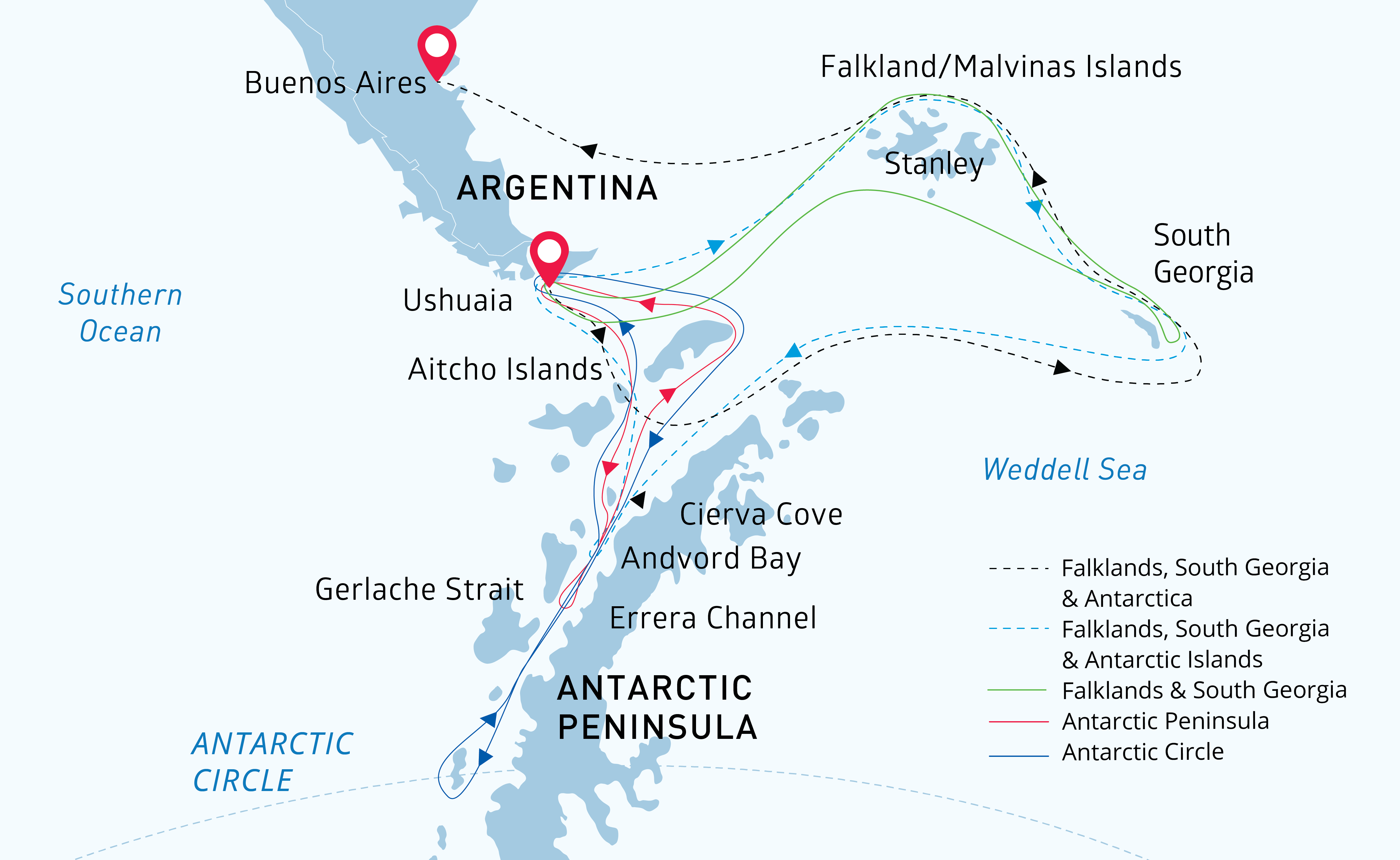
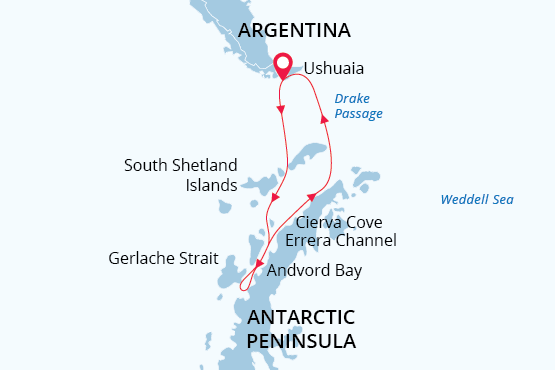
The classic Antarctic Peninsula cruise takes around 10-12 days, including the Drake Passage crossing, and is an excellent introduction to Antarctica. We typically have lots of first-time Antarctica travelers aboard, Antarctica bucket-list travelers, and guests who want to see the iconic landscapes of Antarctica but have limited time for the trip. This type of cruise is also a great way to celebrate anniversaries, propose, or even get married on the White Continent. Typical landing sites on this route are Deception Island, Port Lockroy, and Neko Harbour.
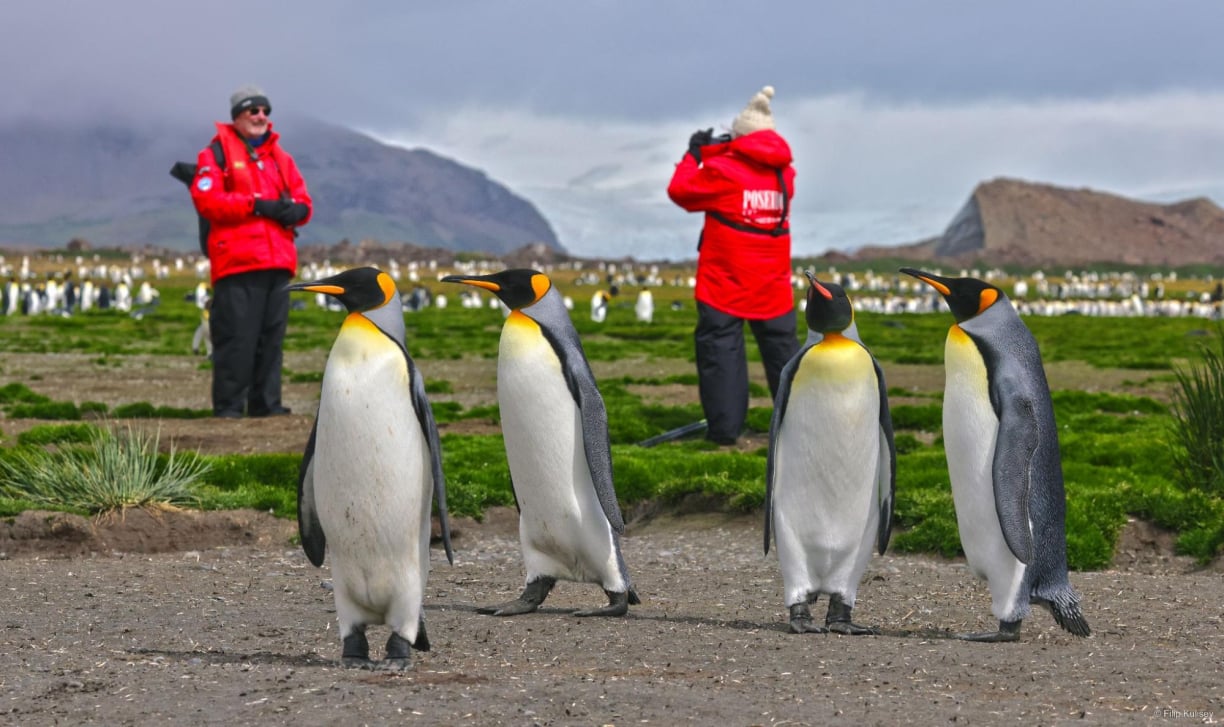
The extended South Georgia Antarctica route is an excellent choice if you have more time and want to include South Georgia Island and the Falklands. These longer voyages can take around 18-23 days, and add spectacular wildlife encounters, including vast king penguin colonies (which are rarely found on the Antarctic Peninsula), as well as rare seabirds and elephant seals. They’re perfect for wildlife enthusiasts, photographers, and history buffs, as South Georgia is linked to incredible Antarctic exploration stories. Top landing sites include Grytviken, Salisbury Plain, and St. Andrews Bay. South Georgia Island isn’t just a remote island – it’s a wildlife habitat like few others in the world. We’ve seen even the most seasoned travelers stand in awe when they get the first glimpse of South Georgia from aboard our expedition ship.
Whether it’s an itinerary that leads you further south to attempt to cross the Antarctic Circle, or a remote Ross Sea or Weddell Sea expedition, these specialized Antarctica cruises usually involve more days at sea and a greater sense of exploration. Some cruise programs may offer classic routes, but are organized around specific activities, such as professional photography.
We at Poseidon Expeditions offer several Antarctica expeditions, including routes to the Antarctic Peninsula, South Georgia, and the Falkland Islands aboard the 114-passenger M/V Sea Spirit. All of our expeditions are organized as small-ship cruises, allowing all guests to explore at the same time without group rotations and maximizing time at each site.
The Drake Passage Decision: Sailing vs. Flying
For many travelers, the Drake Passage crossing is part of the adventure. This legendary stretch of ocean separates South America from Antarctica and takes around 1.5-2 days each way to cross aboard an Antarctic expedition ship. While conditions can range from the famously calm “Drake Lake” to the livelier “Drake Shake,” most crossings fall somewhere in between, and only around one third of crossings are usually rough. The calmest time to travel is typically at the height of summer, from December to January. Modern ice-strengthened vessels, such as the M/V Sea Spirit, feature Rolls Royce stabilizers, reducing pitching and rolling for more comfort at sea.
Some tour operators offer fly-cruise Antarctica itineraries, departing from Punta Arenas in Chile and flying to King George Island, from where the cruise starts. While you can save a couple of days and avoid the open-ocean crossing, you’ll miss the unique experience of sailing to Antarctica, watching seabirds and other wildlife along the way.
Timing Your Antarctica Adventure for Maximum Impact
Wondering about the best time to visit Antarctica? While the Antarctic cruise season generally runs from November through March, each month offers a slightly different experience. Choosing the right time depends on whether you’re after spectacular ice formations, penguin chicks, elephant seal pups, or whales.
November marks the beginning of the season, when the Antarctic Peninsula is covered in pristine snow and lots of sea ice. It’s a beautiful time for photography and penguin courtship, with relatively few ships and visitors. December and January bring long daylight hours, milder conditions, and busy penguin colonies. Chicks begin to hatch, making this a particularly lively time for extraordinary Antarctic landing experiences. It’s peak travel season around the Antarctic Peninsula, so fares tend to be higher.
February and March are excellent for whale watching, while penguin chicks become more independent and begin to fledge. Retreating sea ice allows for Antarctic Circle crossing expeditions and exploration farther south along the peninsula. Keep in mind, whatever month you choose, Antarctica’s weather remains unpredictable. Your itinerary may change with the conditions – and this is part of the authentic Antarctic expedition experience!
Comparing Antarctica Cruise Operators – Quick Check List
Ready to start planning? When comparing Antarctica cruise operators, don’t focus on price alone. Start by deciding what matters most to you – wildlife, landings, ship size, comfort, or itinerary, and set your budget. Then start comparing operators against your criteria:
- Ship: Check passenger capacity, cabin options, facilities, and how well the ship is equipped for polar waters.
- Expedition team: Look at the guide-to-passenger ratio, qualifications, polar experience, as well as onboard specialists and special guests.
- Itinerary: Compare destinations, voyage length, days at sea, and number of opportunities for shore landings and Zodiac excursions.
- Inclusions: Check what’s included in the fare, from meals and transfers to equipment and excursions.
- Additional activities: Check for additional experiences such as kayaking, camping, photography workshops, etc.
- Responsible travel: Look for IAATO membership, clear environmental practices and projects, wildlife and biosecurity procedures.
Pro Traveler Tip: Score each operator according to your priorities and put your results in a simple comparison matrix to help you decide. Then contact your potential tour operator and schedule a call to discuss any remaining questions.
FAQs
How do I choose an Antarctica cruise operator?
Look for an Antarctica cruise operator with IAATO membership, an experienced expedition team, an appropriate expedition ship with an ice-strengthened hull, and a fleet of Zodiac boats. Compare passenger capacity, guide-to-passenger ratio, itinerary, inclusions, and environmental practices. Choose an operator whose approach matches your priorities for exploration, wildlife, comfort, and time ashore.
What are the key differentiators for Antarctica travel companies?
The biggest differences are ship size, passenger capacity, expedition team, itinerary types, onboard comfort, and included activities. Some operators focus on intimate small-ship expeditions, while others prioritize larger ships and more extensive amenities. Compare what each Antarctica cruise operator actually offers rather than relying on price or marketing claims.
What are the pros and cons of small ships vs. large ships for Antarctica cruises?
Smaller Antarctic expedition ships generally offer more flexible landing operations and a more intimate expedition atmosphere. Larger ships can provide more onboard amenities but may have greater restrictions on landings. IAATO rules prohibit vessels carrying more than 500 passengers from making landings, while ships carrying 201-500 face additional restrictions and may have to split groups.
What should my priorities/interests be when choosing an Antarctica cruise?
Start with what you most want to experience on your cruise: wildlife, photography, hiking, frequent landings, specific destinations, or onboard comfort. Further consider ship size, itinerary, expedition team, and additional activities offered. Your budget can then help narrow down the options further.
What is a realistic budget for an Antarctica trip, and are there ways to save money?
Antarctica cruise prices vary considerably, with basic expeditions starting around US$ 5,000-8,000 per person. Premium voyages start at around US$ 15,000 or more. To maximize value, compare included activities and amenities rather than just the base price, consider different cabin categories and travel dates, and check what else is included, such as transfers and meals.
How important is the itinerary for an Antarctic cruise?
The itinerary is one of the most important factors, as it determines what you will see and how much time you will spend exploring. Based on your preferred wildlife, destinations, season, and travel time, you may be able to choose from shorter voyages to the Antarctic Peninsula or extended journeys including South Georgia, the Antarctic Circle region, Weddell Sea, or other routes.
What questions should I ask an Antarctica cruise operator before booking?
Ask about passenger capacity, IAATO membership, the expedition team, ship size and amenities, landing procedures, itinerary flexibility, inclusions, additional activities, and environmental practices. Also clarify cabin options, transfers, equipment, and cancellation policies. A good Antarctica cruise operator should be transparent and happy to answer your questions before you book.
Related Cruises
Antarctica


Classic Antarctica
.png)
Antarctic Circle