Whale Watching Iceland
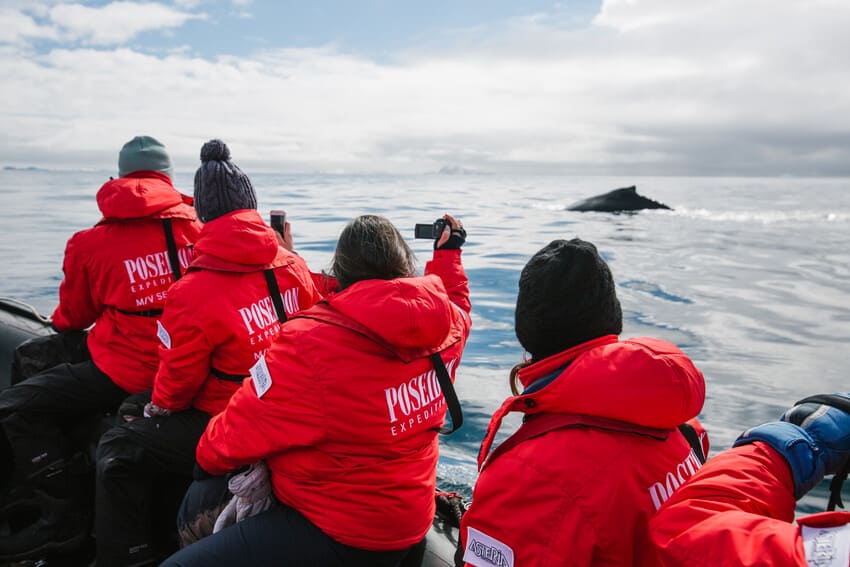
Iceland Whale Watching
Did you just see a fin peeking out of the water? Did you spot the water fountain of a breaching whale in the distance? After fixing your gaze at the horizon during a whale watching tour, you’ll know what to look for. Even amateur cetacean fans will be caught in the excitement of whale watching in Iceland, waiting for a close encounter with these gentle giants. And once you see a whale leaping out of the water right next to your boat, you’ll understand why people around the world are so fascinated with these creatures.
Iceland is a hot spot for whale watching all year round and you can spot more than 23 species depending on the season. But different seasons will give you slightly different experiences. Read on and find out when to visit and where in Iceland to hop aboard a whale watching cruise.
When is the Best Time for Whale Watching in Iceland?
Don’t worry, whales frequent Iceland year-round. Regardless of the time of the year you visit, with a little bit of luck you’ll spot whales. But depending on the season, your experience may differ. Review our checklist for winter and summer whale watching tours in Iceland.
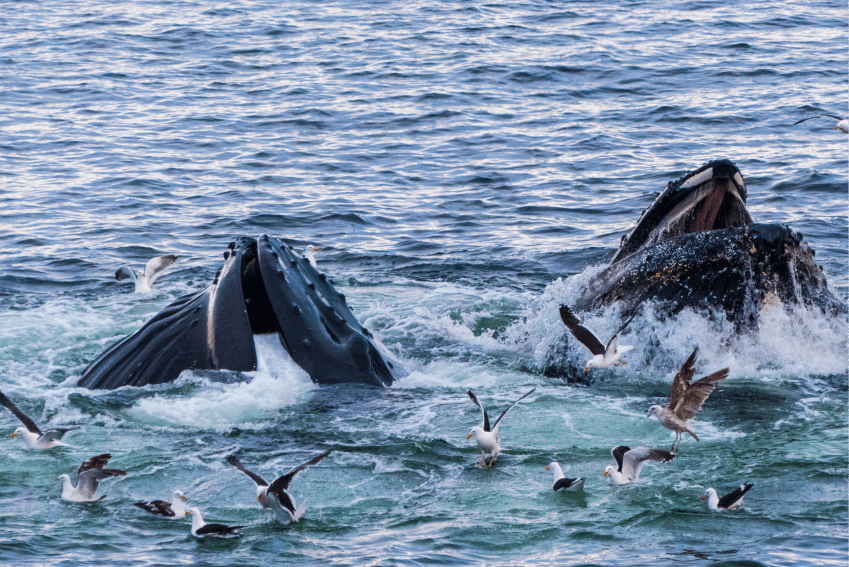
Visit in summer if you….
…want to see a great number of different whale species, such as minke, sperm, northern bottlenose and humpback whales.
…want to enjoy warmer and more predictable weather (less tour cancellations).
…want to see the midnight sun.
…want to add other outdoor activities to your vacation such as hiking and sea angling.
Come in winter if you…
…want to spot Orcas and blue whales.
…want to get away from crowds.
…want to enjoy sunsets and get a chance to see the northern lights.
…want to see incredible landscapes with snow-capped mountains.
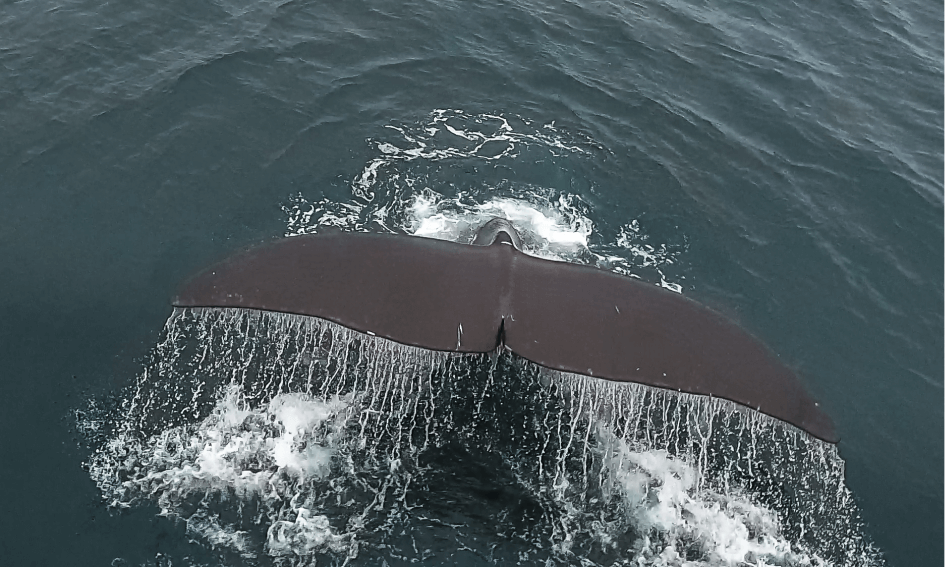
Whale Watching in Iceland in Summer
It’s sunnier, skies are clearer and it’s simply warmer – summertime is peak whale watching season in Iceland. More predictable weather also means fewer tour cancellations due to high winds and rough seas. The downside: crowds of people. Many travelers prefer to visit the Arctic regions during the summer months, even though winter in Iceland can be a magical experience (check out our chapter on whale watching in winter below).
A good reason to head to Iceland for whale watching in summer is the greater diversity of marine life and whales around the island. Migratory whales spend winters closer to the equator and move toward the poles to feed during summer. While you can spot whales from April to September, June to August is the prime time to see whales: sperm whales, northern bottlenose whales, minke and humpback whales are frequently spotted in the area.
Iceland is such a great location for whale watching due to two ocean currents that create a mix of warmer and colder waters. These currents attract krill and fish, a tasty food source for over 20 different whale species. While some whales frequent the waters around Iceland all year round, some, such as the blue whale and Orcas, are more frequently seen during the winter.
Summer is also a great time for birders in Iceland as arctic terns, skuas and puffins are often visible. Watch them feed on fish in the ocean and circle the skies while you cruise the fjords and bays aboard your whale watching tour. You can even board specialized cruises to see the puffin colonies.
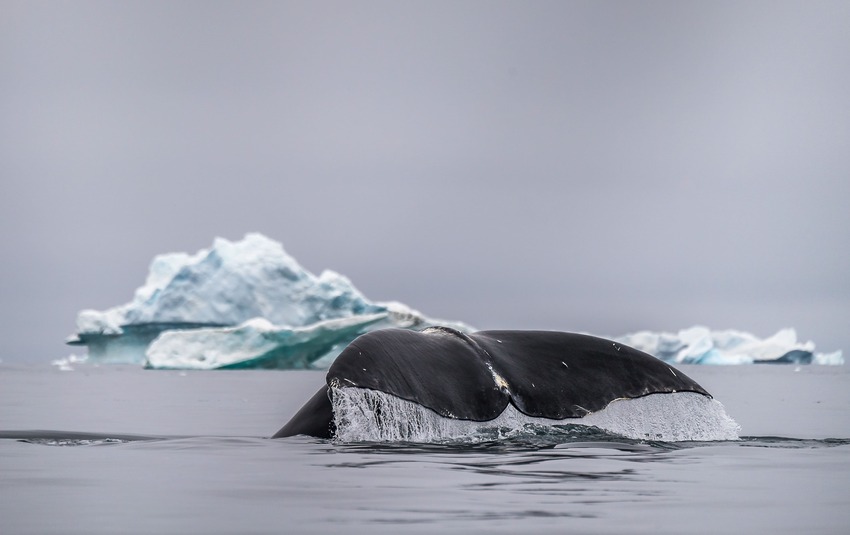
Whale Watching in Iceland in Winter
If you are a seasoned explorer who prefers travelling away from the crowds, you may get a blast visiting Iceland in winter. Snow-capped mountains, incredible landscapes and a chance to see the northern lights will make your trip an unforgettable experience. Typically, visitors make the trip up north in summer, enjoying the warmer temperatures and longer hours of daylight. Less tourists during the winter months also give you the opportunity to form closer bonds with locals and get better deals on accommodation and transportation.
Winter’s even great for seeing cetaceans. Did you know that you can see whales in Iceland all year round? While minke and humpback whales occasionally stick around throughout the winter months, you are very likely to see white-beaked dolphins and harbor porpoises. For some whale species, winter is the best viewing season. In winter, you have the best chances to see Orcas on the Snaefellsnes Peninsula due to an abundance of herring in the area. As for beluga whales, northern Iceland in winter is a prime hangout spot.
Summer whale watching cruises tend to get very crowded. Imagine having to struggle to get a good spot on deck to see these majestic creatures. It may get a bit frosty on deck in winter, but you may have plenty of space to move around freely. And, after all, there is no bad weather, just the wrong clothing! We highly recommend budgeting a bit more time for your winter trip. Weather can be even more unpredictable in winter and tours are more likely to be cancelled or rescheduled.
Check ahead of time which tour operators run whale watching cruises year-round.
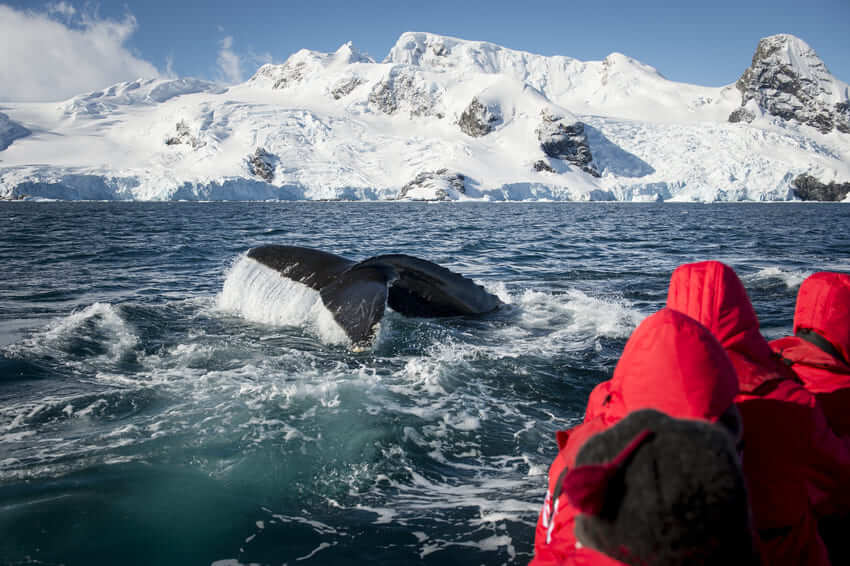
Should You Experience Iceland Whale Watching During Summer or Winter?
While whales frequent the waters around Iceland throughout the year, usually the travelers prefer the warmer summer months to make the trip. Generally, summer months mean warmer temperatures, midnight sun and the option to combine your whale watching tour with other activities in Iceland. The exception: whale watching on the Snaefellsnes Peninsula. Here winter whale watching tours are popular, as it’s the prime season to spot Orcas.
Where Is the Best Place for Whale Watching in Iceland?
Located right under the Arctic Circle, Iceland is an amazing place for some of the finest whale watching opportunities in the world. But where exactly can you spot whales in Iceland? Depending on your itinerary, time and which whales you want to see, there are several spots to consider. If you are just passing through the capital, Reykjavik may be the easiest place to see whales. Aiming to see as many species as possible? Take a trip north to Husavik, known as the whale watching capital of Europe. It’s also a great place for birders, with an abundance of seabirds to see. For all travelers who value exceptional landscapes, mountains and glaciers, we recommend you try whale watching on the Snaefellsnes Peninsula. The trip will give you amazing views and unique photo ops.
Reykjavik Whale Watching
Even if you don’t have time to venture out of the capital, you can board a tour and enjoy some of the best whale watching in Iceland! Head to Reykjavik’s Old Harbor and hop on one of the many excursions offered by local providers such as Elding. The harbor is very accessible and within walking distance from most of the downtown hotels. Get ready to spot minke whales, dolphins, humpback whales, harbor porpoises and other species. If you are a bird lover, you can board one of the popular puffin cruises. While you can see whales throughout the year, summer is peak whale watching season.
Reserve around half a day for the excursion, as tours take on average three hours. If you are very keen on spotting a whale during your tour in Iceland, we recommend planning in some extra time in case your cruise gets cancelled due to bad weather. If Iceland’s weather does not play along, don’t worry, most cruise operators will book you on another cruise for free. That deal also applies if you end up not seeing any whales on your tour (depending on availability and schedule).
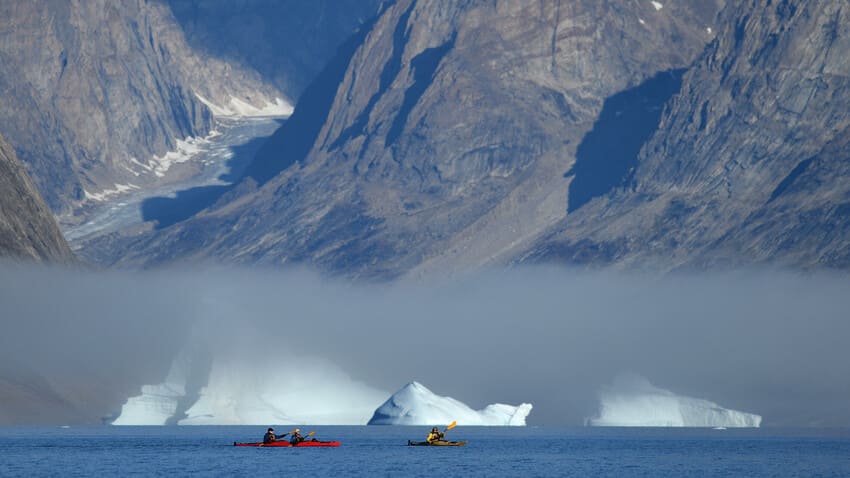
Whale Watching in North Iceland
There are more than 20 different whale species frequenting the cold waters of the North Atlantic Ocean around Iceland. If you aim to see all local whale species, the northern coastal areas are the best choice for your whale watching experience. Head to places like Akureyri and Husavik (also known as the whale watching capital of Europe) and book your excursion. The charming fishing town of Husavik is world-famous for its unique ecosystem with an abundance of plankton, a welcome food source for whales. Plankton thrives due to the minerals from meltwater rivers. Don’t forget the whale museum in Husavik’s town center. Whale watching tours departing in Husavik will take you to Skjalfandi Bay. If you are an avid birder (aside from being a whale fanatic), opt for Skjalfandi Bay with its incredible seabirds (such as arctic terns and skuas), and adorable puffins during the summer months.
Akureyri is a great choice for starting your whale watching tour if you’re looking for a larger city to stay in. While it’s close to Husavik, Akureyri offers more options for family friendly tours and accommodations. Tours leaving Akureyri will take you to Eyjafjordur, a narrow fjord around 60km (37 miles) in length. These popular tours are suitable for children and people who are prone to seasickness as the fjord provides shelter from strong winds and high waves.
The northern coast will make for an unforgettable experience and, with a bit of luck, you’ll see species such as humpback whales, orcas, northern bottlenose whales, minke whales, white-beaked dolphins and even blue whales. Excursions on the northern coast of Iceland give a success rate for seeing whales dof nearly 100%, which means you are very likely to spot these majestic creatures during your trip.
Whale Watching at the Snaefellsnes Peninsula
West Iceland whale watching at the Snaefellsnes Peninsula is a real treat for Orca fans! They are frequently spotted in this area year-round (especially during the winter months), as the Breidafjordur Fjord is one of the island’s most important breeding grounds for herring. The abundance of wintering herring also attracts other species such as humpback whales, minke whales, harbour porpoises and dolphins. During the summer months, the area is the perfect place for sperm whale sightings.
For avid photographers and nature lovers, whale watching tours on the Snaefellsnes Peninsula will be a special treat as you can see beautiful mountains, glaciers and the breathtaking landscapes of the western coast.
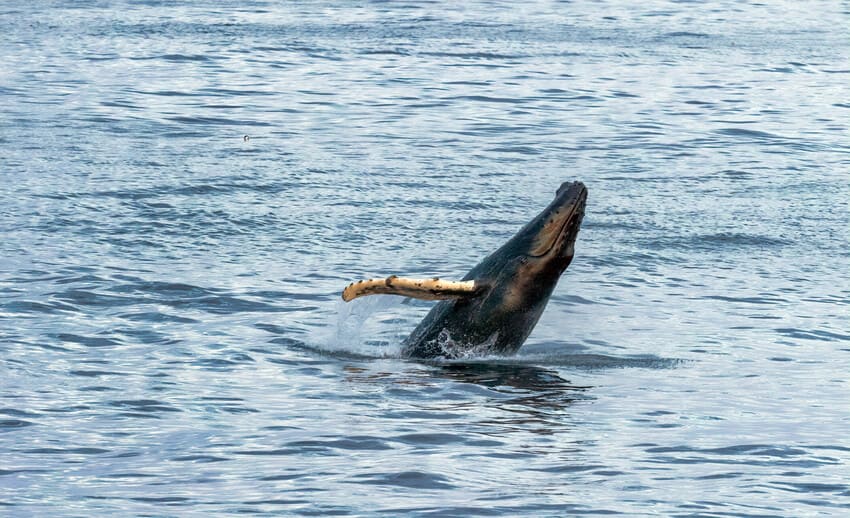
The Verdict?
While there are many places to see whales in Iceland, the best place to spot them in their natural habitat is probably Husavik on the northern coast. This area benefits from the thriving ecosystem around Skjalfandi Bay and offers prime opportunities to see whales and other wildlife. With a bit of luck you can encounter all of Iceland’s whale species on local boat tours!
Usually people come to Iceland not only for whale watching and that is why other places could better match your specific itinerary. If you plan to visit only Reykjavik, then a whale watching tour closer to the capital may be more convenient. To see Orcas all year round (in case you plan a winter whale watching trip), head to the Snaefellsnes Peninsula. It’s the breeding ground for herring and offers the best feeding grounds for orcas!
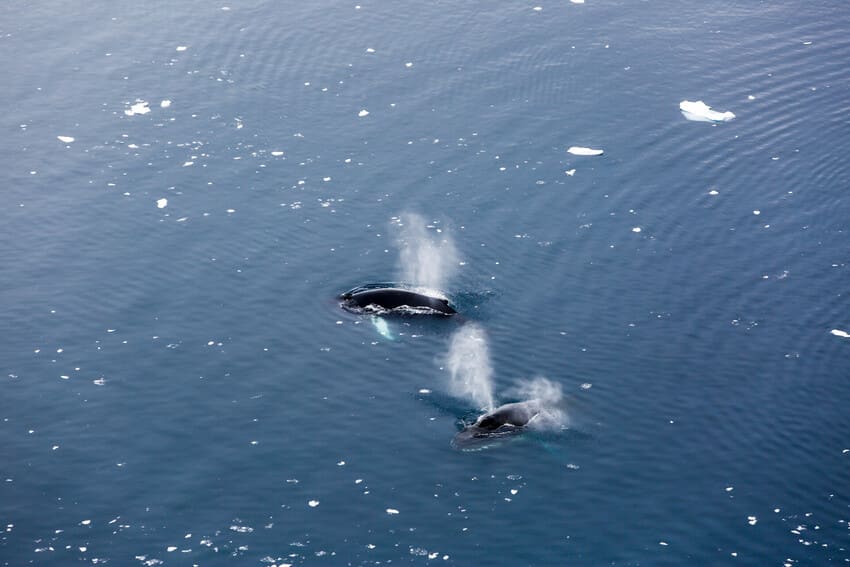
Whale Species in Iceland
Fin whales
After the blue whale, the fin whale is the second largest in the world, reaching lengths of up to 26 meters (85 feet). Its upper body is grey, black or dark brown, and its underside is white. Fin whales start to arrive each year in March around the Icelandic coast and by June, you may spot them in larger quantities. Fin whales can live 94-140 years.
Humpback whales
With a length of 17 meters (55 feet), long flippers and a black top and white underside, you can frequently spot them on your whale watching excursions. The humpback whale is a curious fellow and often approaches ships, jumping out of the water or rolling in the water, which makes for spectacular photos.
Orcas (also called killer whales)
While orcas are very friendly with humans, they hunt other whales, sharks and even seals. Killer whales are the world's largest dolphin species, with males reaching up to 10 meters (32 feet) and females up to 8 meters (26 feet) in length. In Iceland, you can find two types of orcas, the resident and transient groups. There are around 5,000 orcas that are permanently living in the Icelandic waters and mostly feeding on an abundance of local herring. The transient orcas migrate throughout the year and are known to hunt seals and other whales.
Blue whales
With a bit of luck you may get the rare opportunity to see the largest mammal in the world. Blue whales can be spotted in Northern Iceland and can reach a length of up to 32 meters (104 feet). Females tend to be larger than their male counterparts. The current estimated number of blue whales around Iceland is 1,000.
Minke whales
The Minke whale belongs to the more frequently spotted whale species in Iceland’s waters. With an estimated world population of around one million animals, around 55,000 are recorded around Iceland. The ones found in Icelandic waters usually reach a length of 9 meters (30 feet). Minke whales are very social and can often be spotted during whale watching tours.
Other whales to look out for in Iceland
There are many other whale species that you can spot on your whale watching tour in Iceland! Other species to look out for are sperm whales, white beaked dolphins, pilot whales, harbor porpoises and beluga whales.
FAQs
What is the best time to see humpback whales in Iceland?
The best time for spotting humpback whales is from April to late September. Join one of the scheduled whale watching tours offered by local providers.
Is whale watching safe in Iceland?
Whale watching in Iceland is very safe for humans and animals. Tours put animals’ welfare first and tour operators ensure safety while you are onboard the boats.
What are the chances of seeing whales in Iceland?
If you visit during the whale watching season (April through early October), chances are very good that you’ll see them. The prime time for spotting whales is around June.
Is whale watching in Iceland worth it?
For whale watching Iceland is one of the best locations on Earth. Migratory wales spend their summers in the cold waters close to the poles, which makes Iceland a fantastic place to see them. Iceland offers some of the best whale watching tours in the world. Heading to the northern part of Iceland gives you the best chance to see all Iceland whale species in one place. You can even spot blue whales, the largest mammals in the world.
Can you see puffins on whale watching tours?
Yes, you can spot Atlantic puffins on Iceland’s coasts and the best time for puffin watching is from May through mid-August.