Drake Passage: The Crossing on a Cruise to Antarctica
The Drake Passage is one of the most infamous ocean passages in the world and the gateway for most travelers aiming to set foot on the last continent. Unpredictable and exciting, it’s a rite of passage for true Antarctic expeditioners, and will leave you with exhilarating memories and a feeling of grand accomplishment. How can you prepare for your Drake Passage cruise and what should you expect? Read on and find out interesting facts about the infamous passage, its history of discovery, who sailed it first and why it is feared by so many travelers. Learn about the exciting wildlife that frequents this waterway, safety measures aboard crossing cruise ships and what you can do to prevent motion sickness.
What is the Drake Passage?
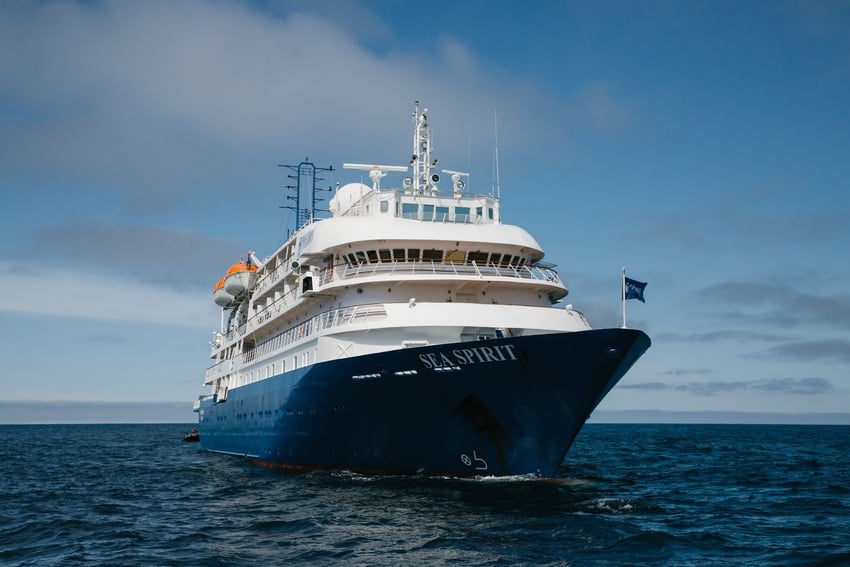
Board a cruise to explore Antarctica and you are likely to face the Drake Passage. It’s where the Atlantic and Pacific Oceans meet south of Cape Horn. Its northernmost point is Cape Horn, while its southern boundaries are the South Shetland Islands, located around 120 kilometers (75 miles) north of the Antarctic Peninsula. The Drake Passage is a narrow stretch where the Antarctic Circumpolar Current, the world’s largest and strongest ocean current, flows from the Pacific to the Atlantic Ocean. It acts as a thermal barrier, preventing warmer waters from the north from reaching the frozen continent. Once you leave port in Ushuaia through the Beagle Channel and head towards the Antarctic Peninsula, you’ll cruise right into it. Hope for a calm crossing, but prepare yourself for a rough ride – its waters are unpredictable. But don’t let this spoil your adventure! Crossing the Drake Passage takes only around 48 hours and once you see the first icebergs and penguins, even the roughest crossing will be forgotten.
History of the Drake Passage
While the treacherous passage is named after Sir Francis Drake, did you know that he never actually sailed it? In fact, neither he nor his crew may have ever seen the water passage itself during their 1578 expedition. It was on that journey that Drake became the first Englishman to sail the Straits of Magellan, crossing from the Atlantic to the Pacific Ocean, to explore the western coast of South America. Blown off course, part of his fleet presumably made it to 55 degrees latitude south, where they saw open water.
The actual discovery dates back to Francisco de Hoces in 1525, who stumbled across it after being blown south off the eastern entrance of the Straits of Magellan. The first explorer to sail the Drake Passage was Willem Schouten in 1616, while he was pioneering a voyage around Cape Horn.
And did you know that the opening of the Drake Passage some 32 million years ago, in addition to changes in greenhouse gas concentrations in the Earth’s orbit, may have prompted the glaciation of the Antarctic continent? With the separation of Antarctica from South America, ocean water was able to circulate around the new continent, forming the Antarctic Circumpolar Current. However, the flow speeds of the Antarctic Circumpolar Current through the Drake Passage as we see it today likely started only 12 million years ago, according to a study published in Nature Geoscience in 2024.

Drake Passage Facts
“The most dreaded bit of ocean on the globe – and rightly so,” is how author Alfred Lansing described the infamous passage in his book about adventurer Ernest Shackleton’s voyage published in 1959. Alexander Brearley, Head of Open Oceans at the British Antarctic Survey, explains the peculiarity of the Drake Passage in a 2024 interview with CNN Travel, “The Southern Ocean is very stormy in general, but in the Drake you’re really squeezing the water between the Antarctic and the Southern Hemisphere.” Brief yourself with our top facts about the Drake Passage:
- The Drake Passage covers the area from the southernmost tip of South America to the South Shetlands and the southeastern part of the Pacific Ocean to the southwestern Atlantic.
- The passage measures 800km (500 miles) in width and 1,000km (600 miles) in length.
- Its average depth is 3,400m (11,000 feet) and, in some regions, reaches 4,800m (15,600 feet).
- The Drake Passage opened when Antarctica separated from the South American continent (it is estimated that this happened anytime from 17 to 49 million years ago) and allows the Atlantic, Pacific and the Indian Oceans to connect via the Antarctic Circumpolar Current.
- Before the Panama Canal opened in 1914, the Drake Passage was an important trade route, connecting the Pacific and Atlantic Oceans.
- The passage’s marine wildlife is protected by the Commission for Conservation of Antarctic Marine Living Resources (CCAMLR), which manages certain protected areas of the region to preserve their unique marine ecosystems.
- It’s a popular place to study the Earth’s climate system, and the Scientific Committee of Antarctic Research (SCAR) coordinates research projects and provides advice to organizations such as the Antarctic Treaty System and Intergovernmental Panel on Climate Change (IPCC).
- You can fly the Drake in ca. 2 hours and cruise it by ship in around 48 hours.
- Around 70% of crossings are calm!
- While Drake Passage weather is unpredictable, experienced captains respond quickly to rough sea and try to find the smoothest routes.
- Unusual ways of crossing the Drake Passage: In December 2019, a group of six became the first people to row the Drake Passage, which took them 12 days!
The Drake Lake
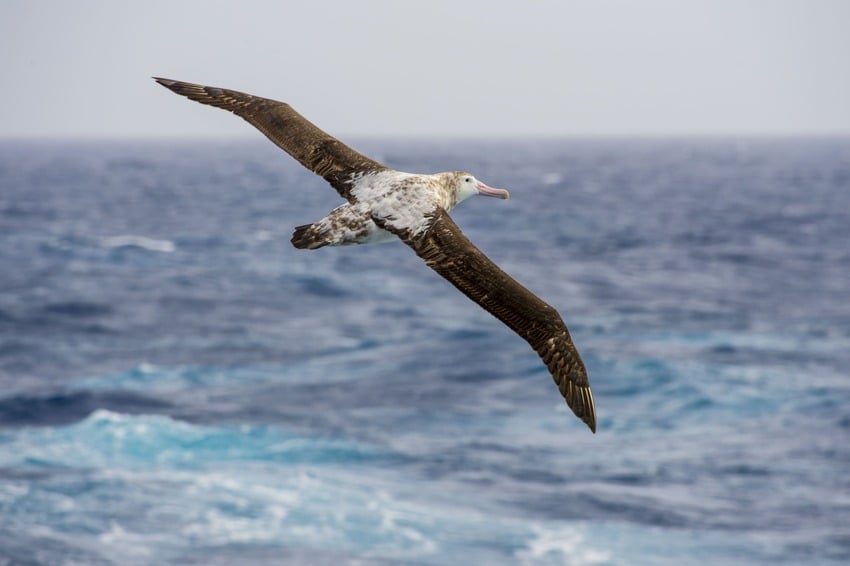
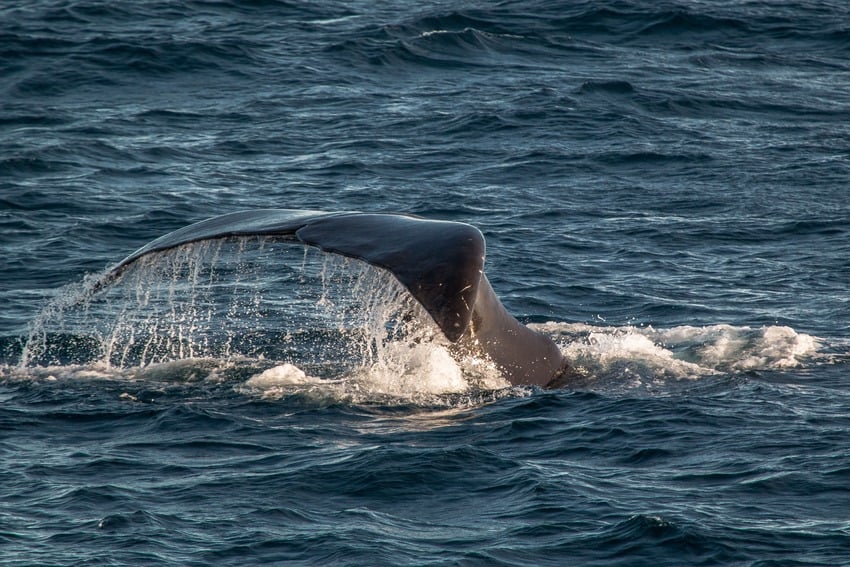
Fearing a rough ride paired with seasickness on the way to Antarctica? Hope for Drake Lake conditions! Crossing the Drake Passage is not always rough and if you’re lucky you’ll be experiencing small swells and light winds only. In such conditions, the trip through the Drake Passage is a perfect way to relax and prepare for your epic adventure in Antarctica. With favorable Drake Passage weather, you can take in the beautiful ocean views from deck and enjoy the open sea. It’s an animal lover’s dream: spot whales, albatrosses, giant petrels and dolphins.
Drake Passage Weather, Shake and Waves
It’s a place where oceans converge and climates transition. The Drake Passage is in between the cold Antarctic climate region and the cool, humid and subpolar conditions of Tierra del Fuego. It also connects the Atlantic with the Pacific Ocean. Cyclones are known to form in the warm Pacific Ocean, which are then carried to the Drake Passage. Don’t underestimate its currents! This is where the Antarctic Circumpolar Current squeezes through its narrowest passage, with an average water flow per second of 135 million cubic cm (4.7 billion cubic feet). High wind speeds can produce swells of up to 15m (50 feet) in height, with quickly changing conditions throughout the entire journey.
Since the Drake Passage is an important place to learn about oceanography, climate change and marine ecosystems, the British Antarctic Survey (BAS) and the National Oceanography Center (NOC) actively conduct various research projects in the region.
Often described as the roughest water passage on the planet, many travelers fear this stretch of their journey to Antarctica. Weather conditions while crossing the Drake Passage are hard to predict, so we highly recommend planning for a rough crossing (especially by consulting your doctor regarding suitable seasickness medication), even though many of our crossings are rather calm. Our experienced captain and crew know how to avoid the worst of it and navigate whenever possible around storms. Modern cruise ships are also equipped with stabilizers to soften the ride.
When to Navigate Across and When to Avoid Crossing the Drake Passage
If you want to visit Antarctica aboard an expedition ship, you’ll likely travel during the Austral summer (November to March). Strong winds may occur there at any point, and it is very difficult to predict what kind of Drake Passage weather conditions you will encounter. Generally, December and January are known to be the calmer months to cross, but don’t forget you’ll be sailing one of the most unpredictable and turbulent ocean passages on Earth.
To ensure the safety of travelers, we follow the guidelines and procedures set by the International Association of Antarctica Tour Operators (IAATO). The IAATO not only advocates for environmental protection of the delicate Antarctic ecosystem, but has also implemented a set of rules and safety protocols such as vessel tracking systems, insurance and contingency plans, an experienced expedition team and captain to navigate Antarctic waters, emergency procedures and seasickness prevention.
While modern ships are perfectly safe, you may still encounter rough seas on your cruise. Most expedition cruise ships utilize stabilizers to prevent pitching and rolling in rough waters.Our experienced expedition staff will guide you on how to stay comfortable during your trip and how to best prepare to avoid motion sickness.
Our cruises are perfectly timed during the Austral summer! Each cruise is unique, and you can choose your perfect adventure!
See Antarctica awaken and be one of the first to set foot on the continent after a long winter: Best of the Southern Ocean
Enjoy the height of the Austral summer, see cute penguin chicks, enjoy 24 hours of daylight and celebrate Christmas and New Year’s on the white continent: Christmas in Antarctica
Enjoy stunning sunrises and sunsets, spot whales and enjoy incredible photo ops: Crossing 66º South Latitude

How to Prevent Motion Sickness in Challenging Drake Passage Conditions
You may hope for Drake lake conditions, but may still encounter the Drake shake on your expedition. While our expedition ship, the Sea Spirit, features stabilizers to reduce pitching and rolling, some travelers may still experience motion sickness. We’ve put together a list of recommendations on how to fight sea sickness aboard:
Eat lightly, but regularly! Don’t skip meals. Even though you may have no desire to eat, motion sickness gets worse on an empty stomach. Opt for starchy food (saltine crackers, potatoes) and avoid greasy and spicy food.
Hit the bottle! … of water that is! Stay hydrated throughout your trip! Choose water, ginger ale and electrolyte-heavy drinks. Avoid alcohol altogether, as it will dehydrate you and may make you feel even queasier.
Come prepared. Consult with your doctor prior to the cruise what motion sickness prevention may work for you. Apart from medicine in the form of tablets, liquid drops and skin patches, there are also natural options such as ginger candy and wristbands that fight nausea with acupressure. We also have an onboard doctor in case you’ll need assistance.
Adjust your attitude! Experienced sea dogs will insist that it all depends on your mental preparation. Don’t fear your Drake Passage cruise before you even board your ship! Look forward to a great adventure, enjoy the fresh air on deck and keep an eye out for maritime wildlife such as whales and sea birds. You may get your sea legs in no time and actually enjoy watching the waves while crossing the Drake Passage!
We’ve tested these recommendations on our countless crossings of the Drake Passage, and they really work! While most passengers are anxious about the two-day crossing prior to boarding, most of them get their sea legs by the time we arrive on the Antarctic Peninsula! Our ship, the Sea Spirit, offers delicious meals to keep your stomach leveled, a 24-hour refreshment station and, if nothing else works, our ship doctor packs emergency motion sickness medication in case you didn’t bring your own.
FAQ
Is it safe to sail through the Drake Passage?
The passage is known for gale force winds, turbulent seas and simply bad weather. Modern cruise ships, however, can sail safely through the Drake and are equipped with stabilizers to minimize pitching and rolling at sea.
Is it possible to bypass the Drake Passage?
While most expedition cruises to the White Continent include a Drake Passage crossing, it is possible to avoid crossing the Drake Passage by taking a plane from South America (Punta Arenas in Chile) to King George Island (the largest of the South Shetland Islands). Some cruise operators offer a cruise and fly option and start their expeditions to the Antarctic Peninsula from there. Many travelers, however, prefer to experience the Drake Passage crossing as part of their expedition cruise en route to Antarctica. The infamous passage does not always feature rough waters and your crossing may turn out less scary than anticipated.
What is the best month to cross the Drake Passage?
The best time to cross the Drake Passage is during the Antarctic summer. December and January have the highest chances of calm waters, while at the very beginning and end of the season you may encounter rough seas.
Can you cruise to Antarctica without crossing the Drake Passage?
It depends on the cruise you choose. For most voyages, crossing the Drake Passage is the gateway to Antarctica and the shortest distance to journey to the peninsula. Apart from just outright skipping it altogether by flying to the continent, there are cruises that have you cross just once. Our Antarctic Wildlife Adventure cruise (departing November 2nd, 2024) starts with a flight from Santiago de Chile (on the southern tip of South America) to the Falkland Islands. The cruise starts there and leads via South Georgia to the Antarctic Peninsula, crossing the Drake Passage only on the voyage back to Argentina. Weather permitting, this reduces the chances of seasickness quite a bit, yet you can still brag about having mastered a Drake Passage cruise!
Do cruise ships go through the Drakes Passage?
Yes, cruise ships en route to Antarctica cross the infamous passage. Most modern ships are perfectly equipped for a safe and comfortable crossing. They have stabilizers that reduce pitching and rolling during bad weather and rough seas.
How much is a cruise through the Drake Passage?
Our cruises crossing the Drake Passage to the Antarctic Peninsula start from around 9,000 EUR. You can book early and qualify for our Early Bird Discounts or other deals that help you save. For the 2025 Antarctic season, we offer our Christmas cruise starting from 8,241 EUR per person!
Why do ships avoid the Drake Passage?
Since it is one of the most challenging waterways in the world, most cruise ships avoid this area due to rough seas, strong winds and unpredictable weather.
How often is the Drake Passage rough?
Most cruise companies avoid crossings during the Austral winter months. During the main cruising season from October to March, an estimated 30 percent of crossings can be rough, while 70 percent are rather calm.
How long does it take to cruise the passage?
It takes around two days to cross the passage aboard a cruise ship; however, the time may vary depending on weather conditions.
Can you fly over the Drake Passage?
Yes, you can take a plane from Chile to King George Island in the South Shetland Islands archipelago.
Do animals live in the Drake Passage?
Yes, the passage is teeming with wildlife! You can spot whales, dolphins and rare seabirds.
How big can the waves get in the Drake Passage?
While bad weather can produce waves of up to 15 meters (49 feet), most waves are around 4 meters (13 feet).