Which Is Colder: The North or South Pole?
Ever wondered which pole is colder, the North Pole or the South Pole? Welcome to the ultimate showdown of the planet’s freezing frontiers! While they’re both among the harshest environments on Earth, one of them triumphs with record low temperatures.
The South Pole is significantly colder than the North Pole, with Antarctica’s winter temperatures averaging around -60°C (-76°F), in comparison to about -30°C to -40°C (-11°F to -40°F) in the Arctic. What makes Antarctica so much more frigid? Discover how elevation, ocean currents, ice sheets, solar radiation, and katabatic winds play a crucial role in making the South Pole region the coldest place on Earth, and find out how the polar wildlife and ecosystem adapt to these extreme temperatures.
Record-Breaking Temperature Extremes
Both the North and South Poles endure brutally cold winters, but when it comes to extreme temperature lows, Antarctica records the lowest measurements of all time. As a high-altitude continent with an average elevation of 2,500 meters (8,200 feet), Antarctica is surrounded by the open ocean, unsheltered from fierce winds, and isolated from warmer waters by the Antarctic Circumpolar Current, making it much colder than the Arctic region. The coldest temperature ever recorded on Earth, confirmed by the World Meteorological Organization’s World Weather and Climate Extreme Archives, was a bone-chilling -89.2°C (-128.6°F) at the Vostok Station in Antarctica, on July 21, 1983. Average winter temperatures at the South Pole at the Amundsen-Scott Station range around -60°C (-76°F), and in comparison, average winter North Pole temperatures feature almost mild temperatures of around -40°C (-40°F). But the Arctic isn’t a stranger to cold extremes. A record low of -69.6°C (-93.6°F) was recorded in Greenland in December 1991, and continental Siberian towns like Oymyakon and Verkhoyansk frequently compete for being the official “Pole of Cold”, with winter temperatures around -51°C (-60°F). Want to visualize the coldest spots on a map? The World Meteorological Organization’s World Weather and Climate Extremes Archive officially tracks and verifies all global temperature records, including the Arctic’s and Antarctica’s. Check out their temperature extreme world map!
The Fundamental Geographic Difference
Picture two polar realms, one a frozen ocean encircled by landmass, the other an ice-covered continent surrounded by ocean. That significant geographic difference is the core reason why Antarctica holds the coldest records in the world. The Arctic is mostly ocean covered by sea ice. Even when frozen, the ocean acts as a heat reservoir, absorbing and slowly releasing energy. Oceans can’t heat up or cool down as fast as landmass. This moderates temperature swings, preventing extremes such as those in Antarctica. It’s also surrounded by land, allowing warmer air and a milder climate to spread to the Arctic.
Antarctica, by contrast, is a large landmass, with 98% of it covered by the world’s largest ice sheet. It features a continental climate with greater extremes, and its high elevation prompts colder temperatures. The large, highly reflective ice sheet bounces solar heat back to space (the so-called albedo effect), keeping the region cooler. Surrounded by the Southern Ocean and Antarctic Circumpolar Current, these oceanic barriers function as a thermal moat and isolate the continent from warmer currents in the north.
Antarctica's Massive Ice Advantage
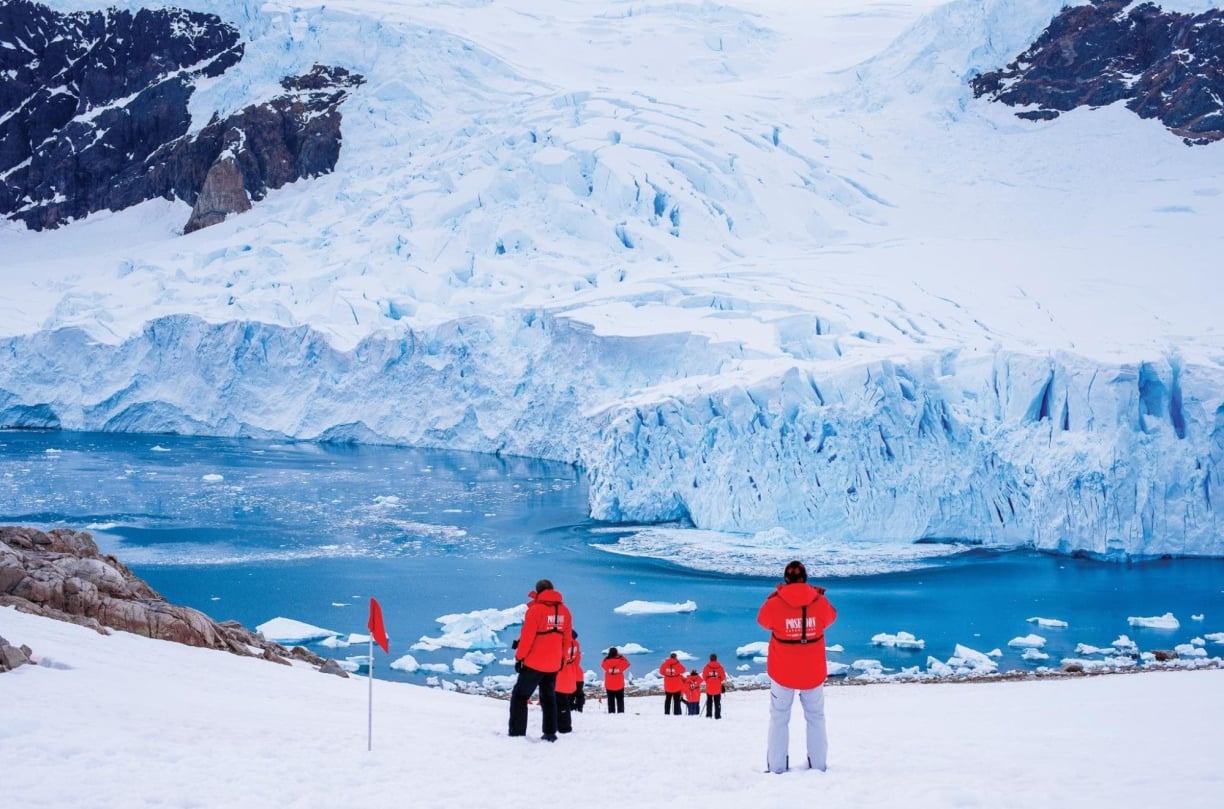
If there’s one thing abundant in Antarctica, it’s ice. The massive ice sheet is nearly twice the size of Australia and, in some places, reaches 4.9 kilometers (3 miles) in thickness. It’s the leader of the world’s cryosphere (Earth’s ice in all its forms), holding 90% of all ice by volume. According to the British Antarctic Survey, it also holds around 60% of the planet’s total fresh water and 90% of the world’s total surface fresh water.
This enormous ice cover acts like a giant mirror, reflecting sunlight back into space, which is called the albedo effect. While dark surfaces absorb energy from the sun and convert it into heat, light surfaces reflect it, preventing oceans and land areas from heating up. This sets off a feedback loop: as ice retreats, darker surfaces absorb more heat, accelerating further melting. In comparison to Antarctica, Greenland’s ice sheet is only about one-eighth the size of Antarctica’s, thus containing a smaller surface to reflect sunlight. And did you know that the Arctic is heating up faster than the global average? Arctic sea ice is decreasing, leaving more ocean surface exposed, absorbing energy, and warming the ocean. According to the University of Colorado Boulder’s National Snow and Ice Data Center, sea ice is able to reflect up to 70% of incoming energy, while the darker ocean only reflects around 6%. This stark contrast highlights why shrinking ice cover has such a powerful effect on global warming.
The Antarctic Plateau - Earth's Highest Continent
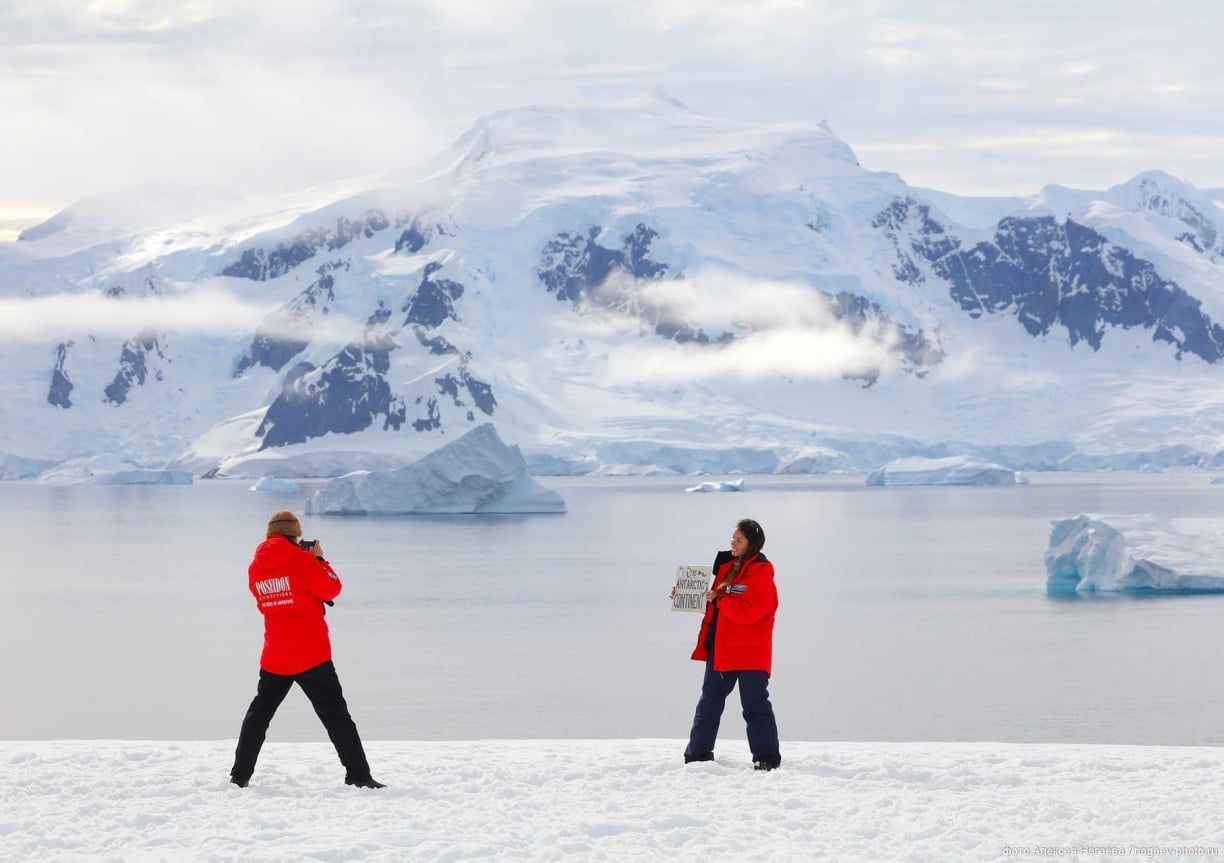
With an average elevation of 2,500 meters (8,200 feet), Antarctica is the highest continent in the world. While it may look like a large frozen block of ice adrift in the Southern Ocean, an expansive landmass hides under the thick ice cover, featuring dramatic ridges, deep valleys, and towering mountain ranges. Why does elevation matter when looking for the coldest pole? With higher elevation come colder temperatures, a principle familiar to anyone who’s hiked a mountain anywhere in the world. According to NOAA (National Oceanic and Atmospheric Administration), temperatures decrease as per dry adiabatic lapse rate at an average rate of 9.8°C per 1,000 meters (5.5°F per 1,000 feet). In contrast, most of the Arctic is lying close to sea level, lacking the altitude-induced cooling effect of Antarctica.
Katabatic Winds and Extreme Weather Systems
Antarctica’s katabatic winds form when dense, cold air flows from the polar plateau of the continent’s interior down the steep slopes along the coast. Originating from the Greek word “katabatos” (meaning “descending”), they can reach extreme wind speeds of up to 327 km/h (203 mph), as recorded at the Dumont d’Urville station in 1972. While descending air causes wind gusts of up to 300 km/h (190 mph) near the steep coasts, the South Pole features moderate blows, with average wind speeds of only around 20 km/h (12 mph), due to its location on a flat plateau. These winds don’t just roar, they bite. Wind chill turns the already brutal Antarctic cold into a gruesome freeze.
On a larger scale, Antarctica’s polar vortex blows circumpolar at latitudes near the coasts and is driven by the temperature difference between the warmth in lower latitudes and the extreme cold in polar regions. Undisturbed by the flat surface of coastal waters around Antarctica, the vortex is able to hold its shape year-round and keeps warmer air from entering Antarctic territories. Powerful westerlies of the Southern Hemisphere and the Antarctic Circumpolar Current further shield Antarctica from incoming warm air. The Arctic features big mountain ranges just at the right latitudes to interrupt the flow of the northern polar vortex, allowing warmer air to break the barrier.
Solar Radiation and Polar Light Patterns
One of the reasons the South Pole out-freezes the North Pole is sunlight, or rather, the lack of it. Both poles experience polar nights with months of darkness in winter and constant daylight under the midnight sun in summer. Even during the polar day, the sun’s flat angle around the pole due to the Earth’s axial tilt is weaker than in tropical regions. Sunrays travel through a greater path of the Earth’s atmosphere, and sunlight is spread over a larger surface area, reducing its intensity. Areas such as the equator receive direct sunlight and are thus much warmer. During the austral winter, the South Pole is plunged into constant darkness, depriving the continent of any solar energy for nearly six months. Together with its high altitude, currents, and wind patterns, Antarctica just can keep its cool better than the Arctic.
Ocean Circulation and Thermal Dynamics
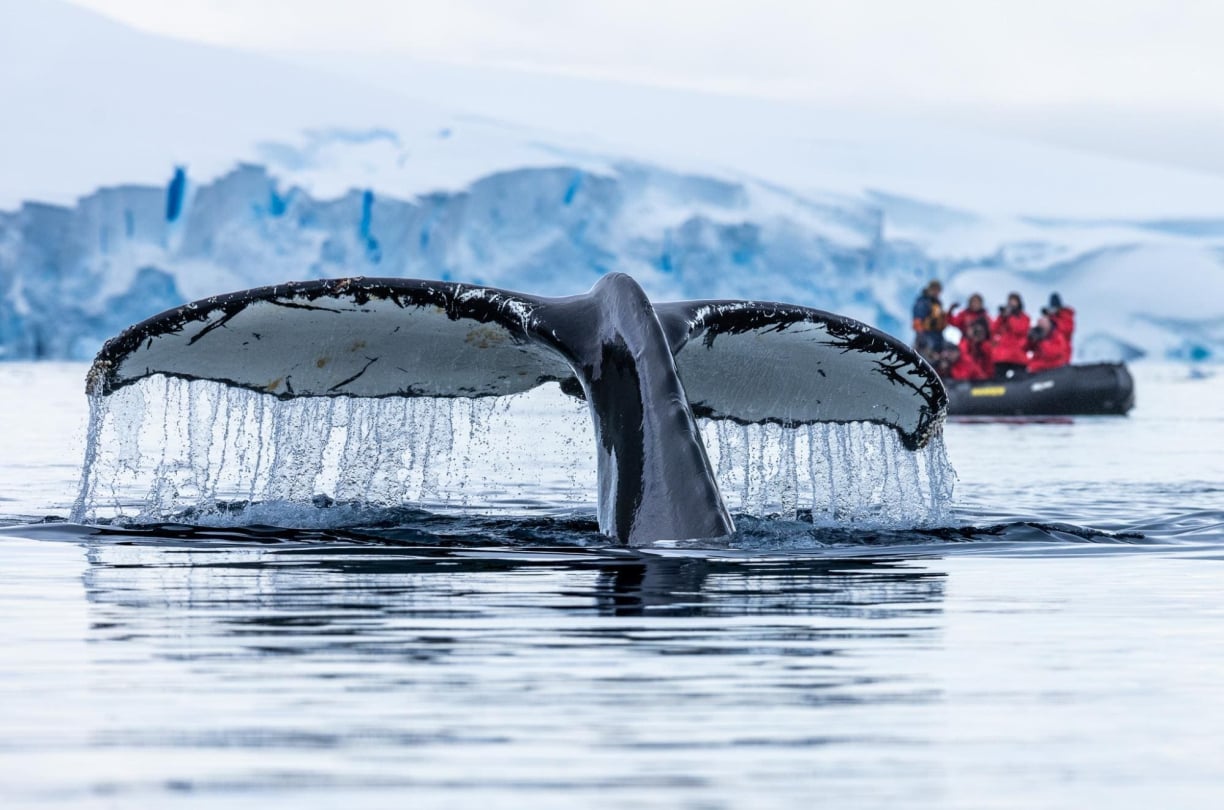
When it comes to keeping Antarctica cold, ocean currents play a pivotal role. The Antarctic Circumpolar Current (ACC) flows clockwise around the continent with an average flow rate of around 135 million cubic meters of water per second. It connects the Atlantic, Pacific, and Indian Oceans, isolating Antarctica from warmer subtropical currents. And while westerly winds drive the Antarctic Circumpolar Current, its speed is influenced by warm northerly water clashing with the cold Antarctic waters. “The Antarctic Circumpolar Current is mostly driven by wind, but we show that changes in its speed are surprisingly mostly due to changes in the heat gradient,” explains Dr. Lynne Talley, physical oceanographer at Scripps Oceanography, in a 2021 web publication of the University of California San Diego. Scientists are capturing long-term data in the Southern Ocean via satellite and autonomous floats, measuring temperature and salinity, to study how human-induced global warming heats up the Southern Ocean and thus influences the ACC’s speed.
While Antarctic waters are on average cooler compared to the Arctic, our polar plungers dip happily into the ocean on both our Arctic and Antarctic expeditions. While average water temperatures during polar plunge season in Antarctica range from -2°C to +2°C (28°F to 35.6°F), Arctic waters are slightly warmer at around 2-8°C (35-45°F). But trust us, most plungers do not notice a real difference! It’s an exhilarating, invigorating, and guaranteed freezing experience in both hemispheres!
Ice Sheet Mass Balance and Climate Change
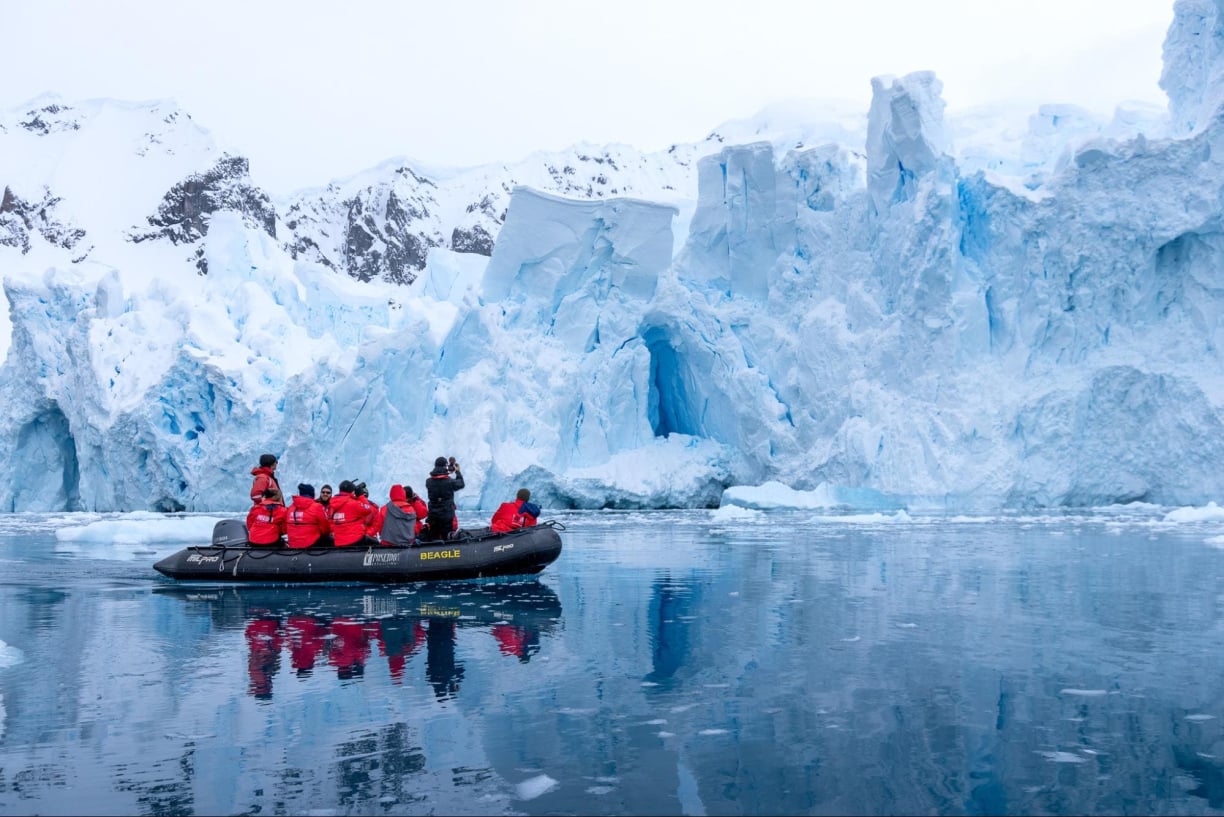
Did you know that the Antarctic ice sheet keeps changing continuously? Climate events cause ice sheet gains through snowfall, while melting, sublimation, and calving cause a loss of ice sheet mass. The net balance measures how much the ice sheet is shrinking or growing and is a key indicator for its stability and possible contribution to sea level rise. According to climate assessment studies funded by NASA and the European Space Agency, ice losses in Antarctica have tripled during the period from 2012 to 2018, increasing global sea levels by 3 millimeters (0.12 inch) in that timeframe. Looking back at studies from 1992, the data reveals an acceleration in sea level rise in recent years. The most affected regions are West Antarctica and the Antarctic Peninsula. According to the European Space Agency, the West Antarctic ice sheet lost 134 billion tons of ice, and the Antarctic Peninsula 23 billion tons annually between 2010 and 2013. And while these figures suggest doom and gloom in the ongoing climate crises, it’s not a linear negative trend. Parts in Antarctica are actually growing, mostly on the East Antarctic ice sheet. According to a recent study published in Science China Earth Sciences, extreme snowfall in East Antarctica from 2021 to 2023 caused the ice sheet to gain mass. In fact, a warmer atmosphere containing more moisture prompted these recent extreme snowfalls.
Scientific Research and Climate Monitoring
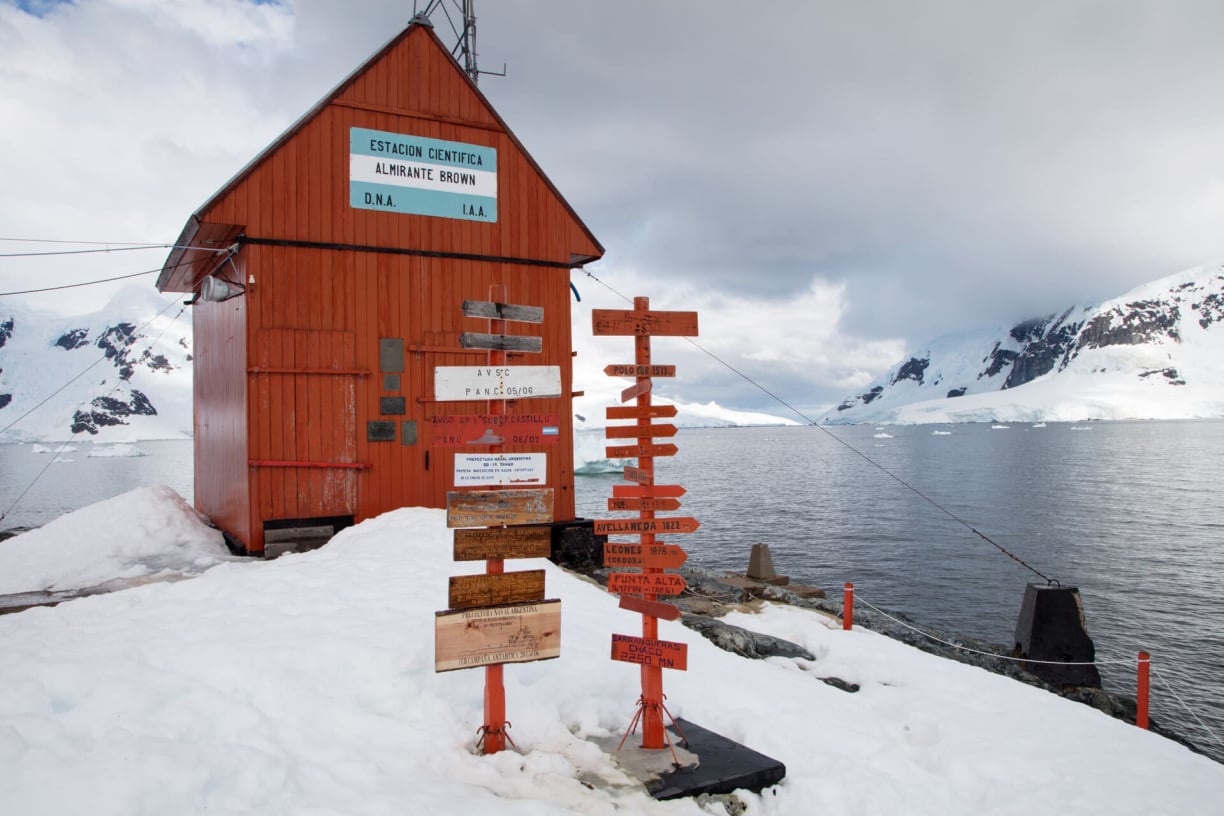
Peering into the polar past is possible by looking at what’s trapped inside its ice sheet! Scientific projects, such as the Ice Memory Foundation in France and the National Science Foundation Ice Core Facility in the U.S., collect ice core samples to reveal greenhouse gas concentrations, atmospheric compositions, and temperature variations from past millennia. These frozen time capsules contain information useful for understanding how the climate changed, as well as clues about the impact of human activities. Even if you’re not doing fieldwork, you’ll be exposed to freezing working conditions as an ice core scientist! The cores are stored in facilities at temperatures of -36°C (-32°F), and the examination rooms and laboratories are kept at a chilling -24°C (-11°F) to preserve the precious samples.
Organizations like NASA take their research to lofty heights with Operation Ice Bridge, an airborne project surveying the Arctic and Antarctica from 2009 to 2020. The study observed annual changes in polar ice sheets, thickness of ice and snow cover, glaciers, bedrock topography beneath the ice sheets, and sea ice, using tools such as ice-penetrating radars. But to verify areal data and enhance accuracy, ground-based measurements, like those collected at the Vostok Station in Antarctica, are still needed and help to validate the satellite data. This multimodal approach to climate science helps to better understand climate dynamics and provides more accurate prognoses.
Polar Wildlife and Ecosystem Adaptations
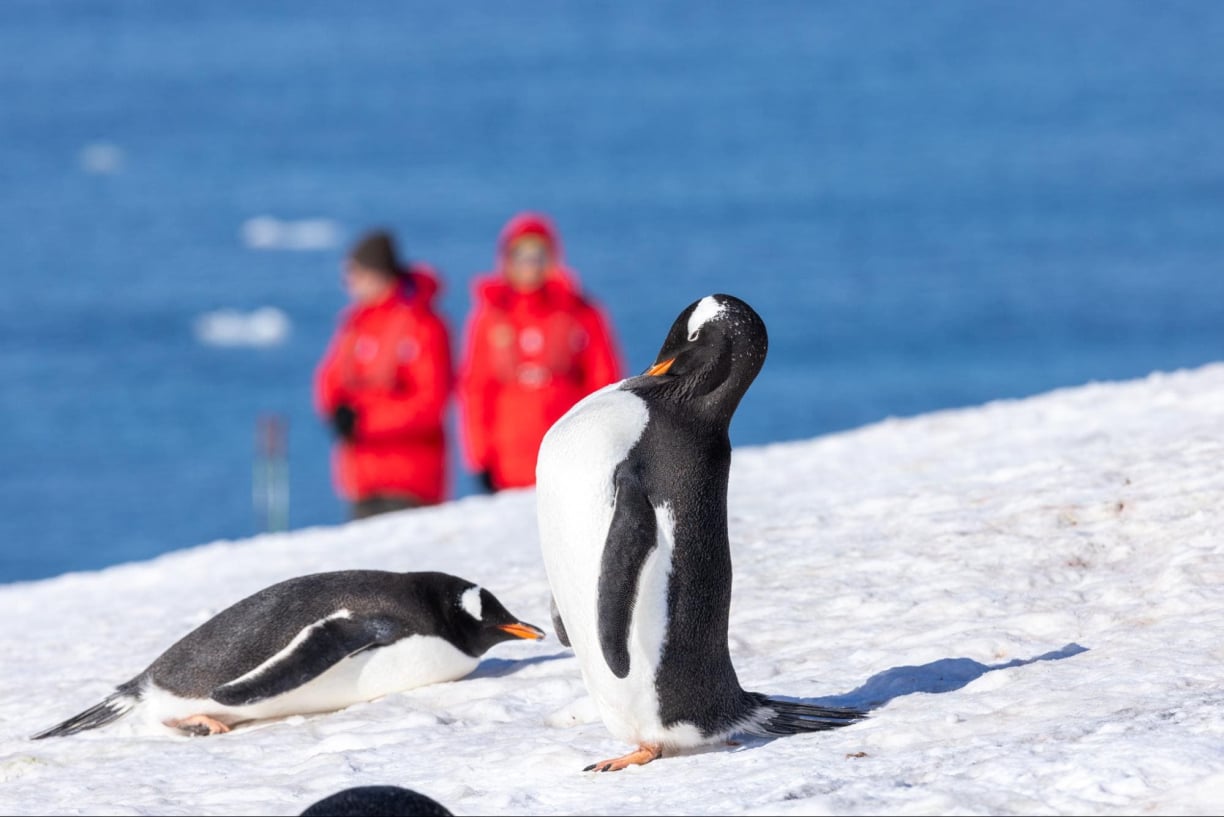
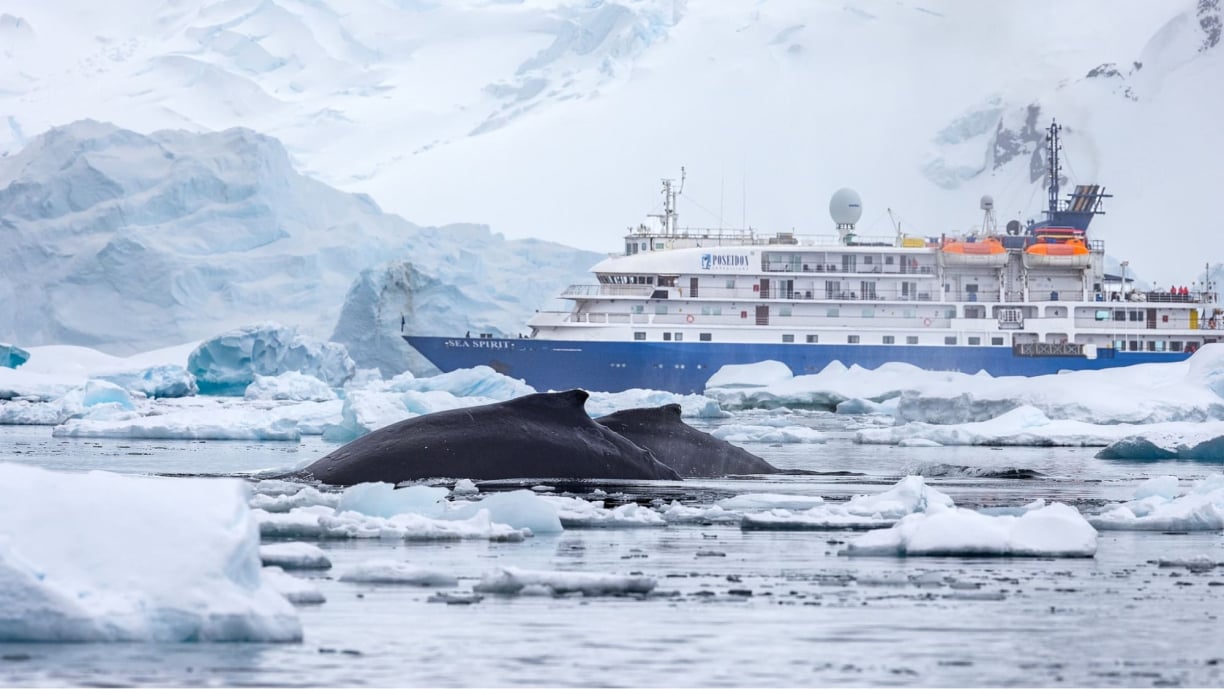
It’s hard to imagine that diverse ecosystems like those found in the Arctic and Antarctica can flourish at such high latitudes. Whether it’s polar bears, caribou, Arctic foxes, or walruses in the high north or penguins in Antarctica, each species is perfectly adapted to its frosty habitat. As for polar bears, the Arctic Ocean (with its shifting sea ice) perfectly supports their iconic seal hunt. Waiting patiently at a seal’s breathing hole, polar bears strike when the unsuspecting seal comes up for a breath of fresh air. In places like Churchill, Canada, polar bears gather each autumn along the shores, waiting for the sea ice to form. And polar bears know how to keep warm, as their black skins preserve heat, and their translucent hairs allow sunlight to penetrate their thick fur. Cold insulation is a must when living in the polar regions. Most wildlife, including seals, penguins, and whales, rely on a thick layer of blubber as insulation to stay warm. But there are other ways to avoid freezing. An ingenious cold-water survival technique of some fish species, such as notothenioids in Antarctica and the polka-dot snailfish in Greenland, allows them to thrive in ice-cold waters thanks to an antifreeze protein in their blood. And while each pole features its perfectly adapted endemic wildlife, some extreme migrators, such as humpback, minke, fin, and sperm whales, as well as the Arctic tern, frequent both hemispheres!
Historical Polar Exploration and Discoveries
Long before modern research stations, satellite research, and ice core samples, indigenous peoples and brave explorers from around the globe were already gathering knowledge about the poles, temperatures, and wildlife. Indigenous communities such as the Inuit, Sami, Yupik, and Chukchi developed a deep understanding of ice, the seasons, and weather patterns over millennia, long before the heydays of polar exploration even started. While exploration of the less remote Arctic started centuries ago, Antarctica followed later. Bellingshausen’s voyage in 1820 and Ross’ expedition in 1839-43 pioneered Antarctic travel, followed by the heydays of Antarctic exploration. December 1911 marked the Scott and Amundsen race to the South Pole, with both parties reaching the pole within a month of each other. Shackleton’s 1914-17 ill-fated expedition became famous for the power of comradeship, survival, and bravery, even after having failed the original expedition goals. While the South Pole conquest leaves little dispute, Robert Peary and Frederick Cook rivaled over who truly made it to the North Pole first, with little evidence to confirm either party’s claim. While Peary said he reached it on April 6, 1909, Cook insisted on having reached it almost a year earlier, and even analyses of their journals decades later couldn’t provide a definite answer. Given the murkiness of their claims, Amundsen and Ellsworth’s airship expedition in 1926 remains the first credible and confirmed North Pole conquest.
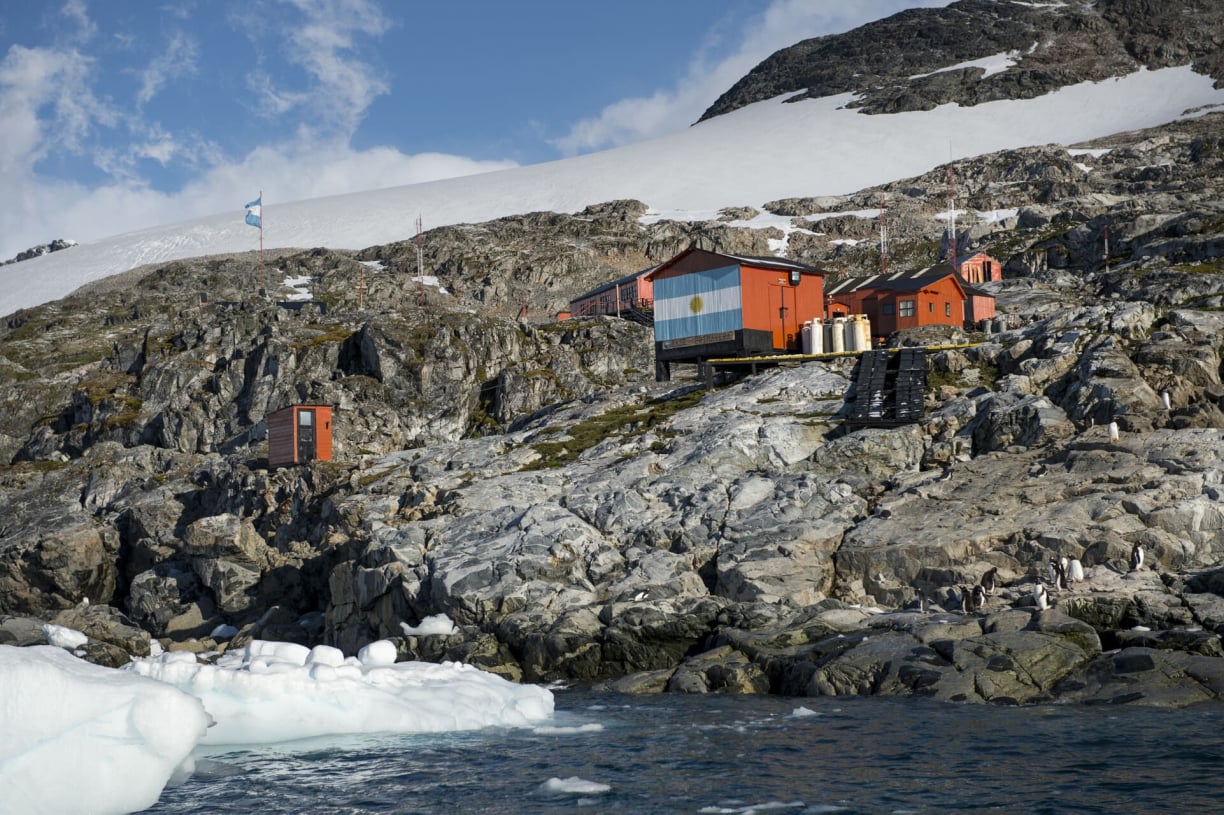
Over the past century, modern research stations gradually replaced the rugged explorer’s huts in the Arctic and Antarctic. Polar conquests aren’t what drive people to the poles anymore, and today, researchers and tourists flock to the poles to learn about these delicate ecosystems on Earth. In Antarctica, the Antarctic Treaty of 1959 focuses on preventing any land claims to the continent and instead promoting peaceful research for all member countries. Modern-day polar research focuses on topics such as glaciology, marine biology, and climate change, as well as the preservation of the delicate polar regions.
Global Climate Implications and Future Projections
How do the poles respond to global warming and climate change, and how will ice sheet melting really affect global sea levels? According to NASA’s Sea Level Change Team, the ice-sheet thinning, melting, and calving in Antarctica play a crucial role in sea level rise. Currently the sheet loses around 150 billion metric tons per year. According to NASA’s Sea Level Change Team, if the entire Antarctic ice sheet were to melt, global sea levels would rise by 58 meters (190 feet). And while Antarctica’s biggest ice shelves have been growing steadily over the past two decades, the overall ice sheet is losing mass. Over the past 25 years, around 6,000 gigatons of freshwater melted into the ocean. “That’s because the big gains that have been slowly happening from the largest ice shelves have been masking all of the minor losses that have occurred everywhere else around the continent,” says Dr. Chad Greene, glaciologist and specialist at NASA’s Jet Propulsion Laboratory. According to Dr. Greene, there are further implications for the local ecosystem, as the ocean currents change with the large amounts of freshwater added. And even the famous Thwaites Glacier (also known as the Doomsday Glacier) in West Antarctica is melting. This chunk of ice, roughly the size of Florida, acts as a cork, holding back the enormous glacier on land.
And it doesn’t look too good for the Arctic, either. Warming faster than the global average, the loss of sea ice in the Arctic Ocean exposes dark water surfaces, which absorb heat. This reinforcing effect creates a vicious cycle, with more sea ice melting and thus leading to even warmer temperatures. Both the North Pole and South Pole face the danger of climate change and warming, and understanding their responses is essential to forecasting our planet’s future.