Places to Visit in the Arctic

Above 66° 33′ north latitude, you’ll find the most extraordinary landscapes, cultures, and wildlife on the planet. The Arctic is the remote frontier of the North, drawing travelers from around the globe with towering icebergs, massive glaciers, iconic wildlife, and endless tundra landscapes. And each year, more and more people are coming to the cold polar destinations. According to a Greenland tourist report published by Visit Greenland, 2023 saw a 9% increase of land-based tourists compared to 2022. The 2023 season also recorded the highest number of cruise passengers ever at 76,477, which presents a 73.8% growth compared to 2022.
According to the Association of Arctic Expedition Cruise Operators (AECO), cruise tourism accounted for 9% of Svalbard’s total economic activity in 2024. Over the past decade, tourists’ interest in the Arctic has been steadily increasing. “The hot spot for Arctic cruise tourism is Svalbard,” as Frigg Jørgensen, Executive Director of the AECO, reported in an interview with High North News back in 2017. With increasing accessibility and better infrastructure, tourists continue to keep coming. In the past, direct flights to Greenland’s capital (Nuuk) departed only from Iceland and Denmark. But thanks to a brand-new 2,200-meter runway, United Airlines started to offer seasonal direct flights from Newark (US) to Nuuk during summer 2025. And according to a 2025 article by Arctic Today, the United Airlines direct flight connection will resume during the 2026 summer season.
Join the growing number of adventurers and discover the Arctic now. Explore our quick guide to the most remarkable places to visit in the polar wilderness!
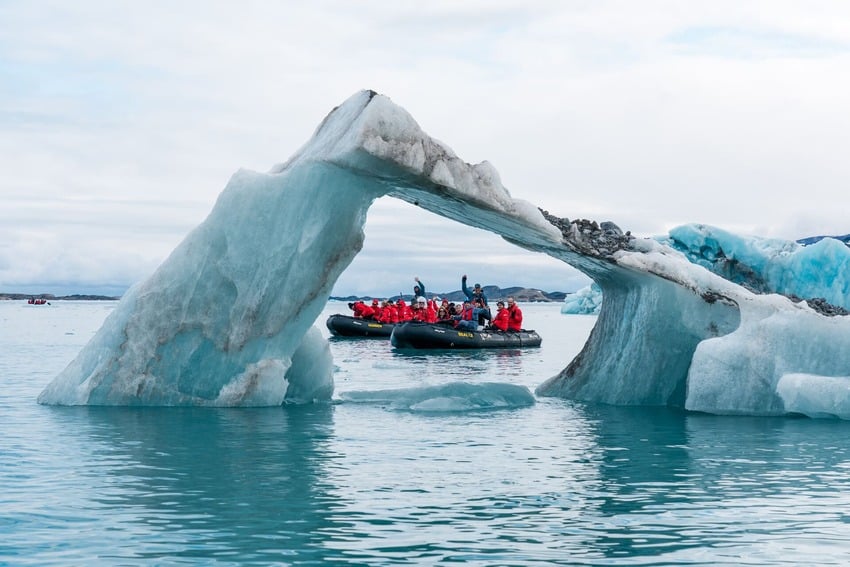
Norwegian Arctic Destinations
Svalbard and Spitsbergen
It’s renowned as the ultimate gateway to the Arctic, lying roughly midway between mainland Norway and the North Pole. Svalbard is the most accessible entry point to the High Arctic and a highlight in any season. Winters are great for snowmobiling, dog sledding, and catching the northern lights, while summers are perfect for expedition cruising and the chance to see polar bears. Whether you board a cruise, explore the former coal mining settlement Ny-Ålesund, visit the famous Global Seed Vault, or just stay within the city limits, Longyearbyen will be the perfect adventure base. As the northernmost city in the world, it is celebrated as the wildlife capital of the Arctic. A unique concentration of Arctic wildlife awaits you, such as the iconic Svalbard reindeer, walruses, Arctic fox, puffins, whales, and rare seabirds, and it’s one of the best places to encounter polar bears. This is polar bear land, and chances are high you’ll see them during your time in Svalbard!
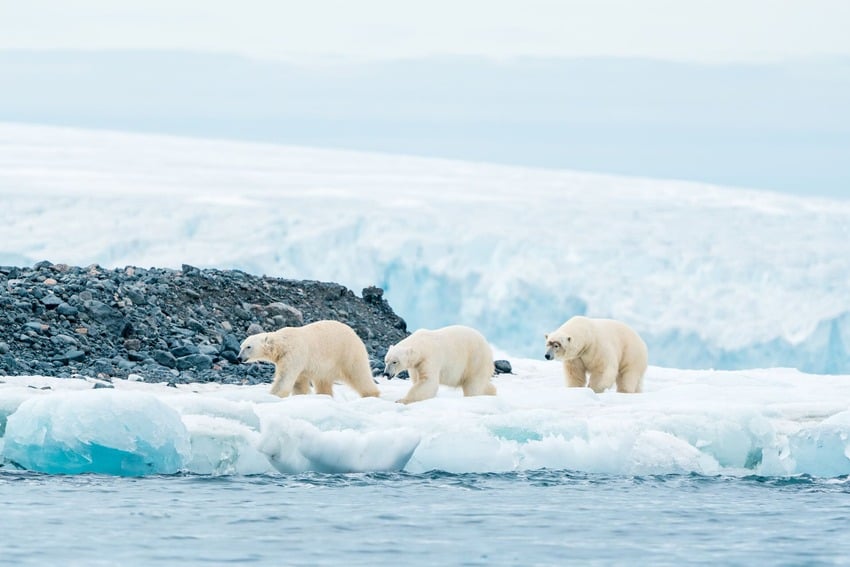
As Jon Aars, a researcher at the Norwegian Polar Institute, reported in a 2020 article for CNN World, there are about 300 polar bears living in Svalbard year-round. Aars and his research team track around 70 Svalbard polar bears annually to monitor their behavior, movement, and response to climate change. “Polar bears are optimistic animals. It seems they are quite resistant, and they are doing quite well despite the fact that they’ve lost a lot of their habitat,” says Aars. During the summer months when sea ice recedes, you can spot them swimming in the ocean, and during April to June, when seals are abundant, you can observe them hunting on the pack ice. One of the best ways to see them is with a cruise to the northern parts of the archipelago and the polar ice edge. Though we keep the 500-meter minimum distance to polar bears as required by the AECO (Association of Arctic Expedition Cruise Operators) guidelines, our large deck will give you plenty of opportunities to observe them at a safe distance. Find your Svalbard expedition now!
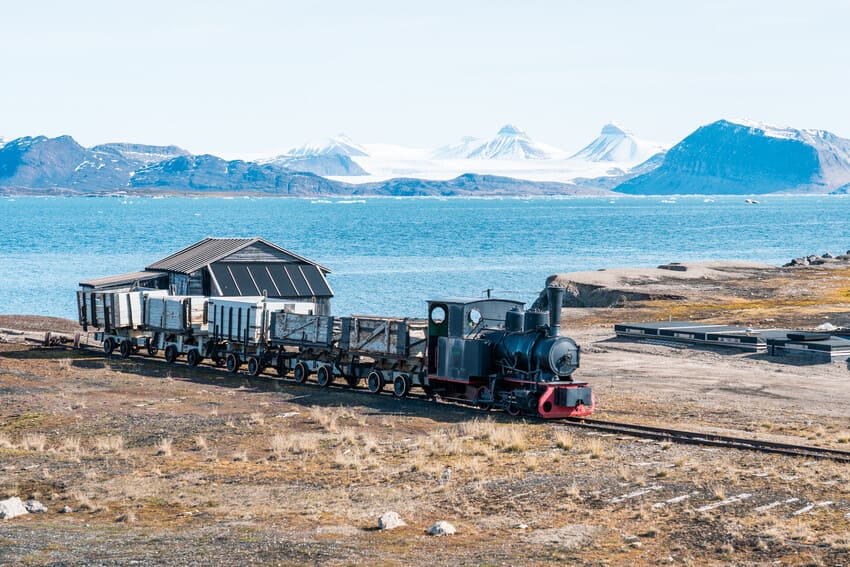
For history buffs and travelers wanting to explore the atmospheric flair of remote settlements, Ny-Ålesund is the place to go. Explore the dramatic history and heritage sites of the former mining town, which was also the starting point for Roald Amundsen’s North Pole Expedition. Currently it hosts a scientific research station, a museum, and the world’s northernmost souvenir shop and post office.
Lofoten Islands
Did you know that northern Norway harbors one of the most picturesque road trips in the world? Drive along the E10 from Narvik on winding coastal roads, pass jagged peaks rising from the sea, and cross scenic bridges that link the idyllic islands. The journey takes roughly four to five hours, depending on your pace and final destination in the Lofoten Islands. Visit the charming fishing villages of Nusfjord and Reine, with their picturesque red fishing huts (called rorbuer in Norwegian) nestled along rugged shores. While Reine is one of the most visited places on Lofoten, Nusfjord offers a quieter and more remote experience. It’s an exciting destination for professional and amateur photographers alike! Located inside the Arctic Circle, summer brings the magic of the midnight sun, while a visit in winter transforms the islands into a snow-covered wonderland, with opportunities to see the aurora borealis. Hostel-style accommodations in the Lofoten Islands start from around 50 EUR per person per night, while rooms in boutique hotels such as Holmen Lofoten range around 500 EUR per person per night. For around 200 EUR per night, you can also rent traditional cabins (rorbuer) with modern facilities.
North Cape and Altan
Stand at the edge of the European continent, and see the Norwegian and Barents Seas converge beneath the dramatic 307-meter (1000 ft) steep cliff of the North Cape. Visit St. Johannes Kapell, the northernmost chapel in Norway, and the nearby visitor center. The Magerøya island is also famous for the annual return of Sami families with their reindeer herds, which have been grazing on the island during the summer months for centuries. Take a step back in time and explore ancient petroglyphs in the Alta Fjord, a UNESCO World Heritage site dating back to around 4,200 B.C. and 500 B.C. These manmade rock carvings show scenes of the social life and rituals of the prehistoric hunters and gatherers of the region. Alta Museum admissions start from around 9-13 EUR for adults depending on the season, with audio and guided tours available upon request.
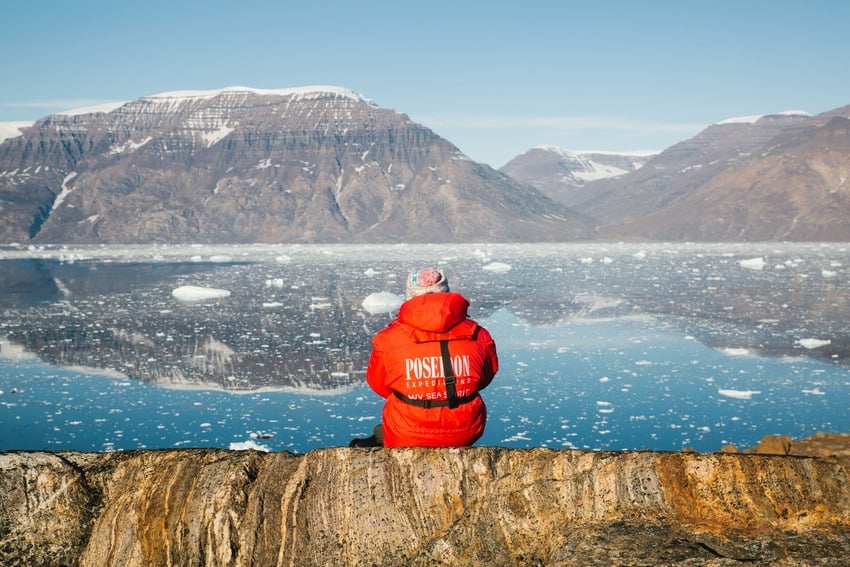
Greenland: The World's Largest Island
Ilulissat and the Icefjord
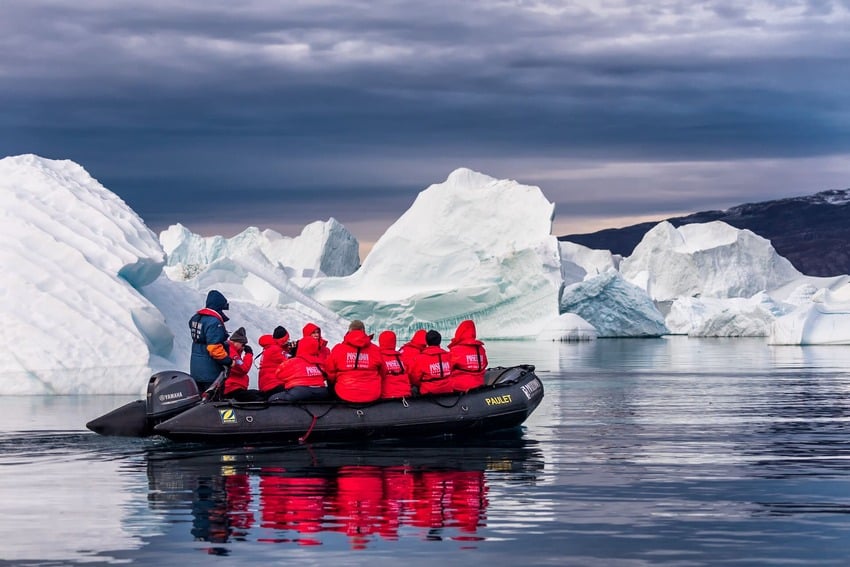
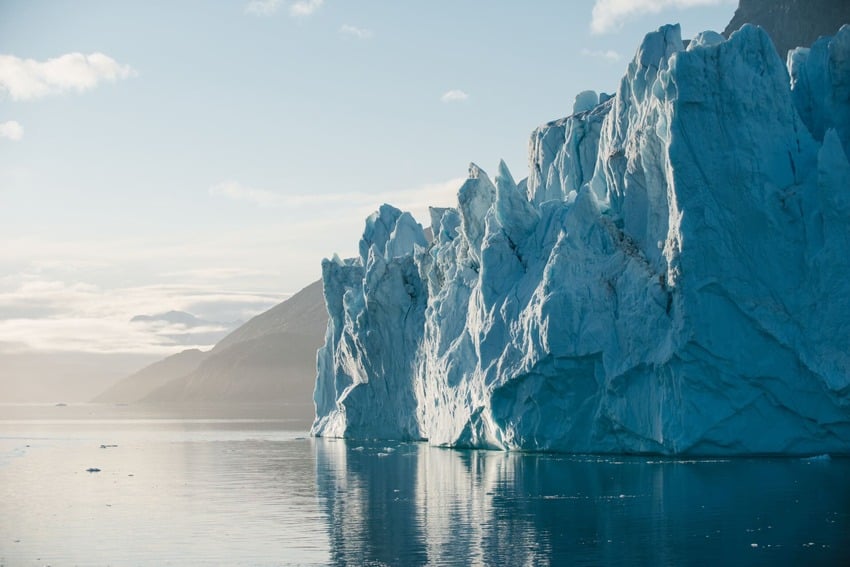
If seeing the birth of an iceberg is on your bucket list, the Ilulissat Icefjord is one of the best places to go! See the most incredible iceberg formations in the world, and look out for humpback and minke whales roaming the fjord. The countless icebergs are a photographer’s dreamscape and are just a short drive away from the city of Ilulissat in West Greenland. It’s one of the world’s most actively calving glaciers, and according to UNESCO, over 35 square kilometers (13.5 square miles) of ice calve into the sea each year. At this UNESCO World Heritage site, Greenland’s icecap reaches the Sermeq Kujalleq Sea, and here, over 10% of all of Greenland’s calving ice is released into the ocean. And did you know that the iceberg that sank the Titanic is likely to have originated from exactly this spot? According to Professor Grant Bigg and his research team from the University of Sheffield, the infamous iceberg originated on Greenland’s west coast. Bigg told the BBC and Forbes in 2014 that he and his team were able to trace the trajectory of icebergs around the time the Titanic sank using computer simulations based on coast guard records.
Explorethe ice fjord on one of the marked hiking trails on foot, or take a boat or kayaking tour from the city of Ilulissat to see the ice formations up close. You’ll find accommodation in the city starting from around 100 EUR per person per night. For authentic Greenlandic cuisine, try one of the many cafes in town, or for a more extravagant experience, head to Hotel Hvide Falk, which offers delicacies such as reindeer carpaccio, muskox tartar, and local seafood.
West Greenland and Disko Bay
Combine beautiful Arctic wilderness vistas with traditional Greenlandic cultural experiences in the Disko Bay area. Discover quaint traditional villages such as Qeqertarsuaq, which features volcanic black sand beaches littered with small ice fragments. Enjoy the lush backcountry, spectacular views of icebergs in Disko Bay, and prime whale watching opportunities. Visit Qasigiannguit for a glimpse of the traditional way of Greenlandic life, where the local museum, exhibitions and reenactments show how locals lived several hundred years ago. Marvel at the colorful houses in Aasiaat, Greenland’s fifth-largest town, and discover local artworks in the city’s museum. Enjoy long days during summer under the midnight sun, which give you plenty of opportunities for hikes, boat excursions, and whale watching. Winter is equally charming, with activities such as dog sledding and snowmobiling and the chance to experience the aurora borealis!
Canadian Arctic Adventures
Northwest Territories and Yellowknife
Dreaming of witnessing the northern lights? Yellowknife, the capital of the Northwest Territories, is one of the best places to see them in winter. According to Canadian Geographic Magazine, its geographic location, position within the auroral oval, and low light pollution give up to 240 nights of possible visibility per year. While you can take direct flights from major Canadian cities such as Toronto, Edmonton, Calgary, Vancouver, and Ottawa, true adventurers may prefer the scenic drive along the Mackenzie Highway (number 1) from Edmonton. Merging onto Highway 3, you’ll cross Deh Cho Bridge, the longest in the Northwest Territories. Stop for waterfalls (such as the Alexandra Falls), wildlife, and spectacular views of endless boreal forests and pristine landscapes on the way to Yellowknife.
Along the way, discover traditional indigenous communities (such as the Behchokǫ̀) to enjoy idyllic picnics and campgrounds, canoe adventures, and local arts and crafts. Learn about First Nations culture in Dettah, famous for its traditional Dene lifestyle, with outdoor displays of whitefish drying on racks and moose hides tanning in the sun.
Once you arrive in Yellowknife, immerse yourself in the vibrant city life, offering a diverse restaurant scene, quirky architecture, farmers markets, museums, the annual Snowking Festival ice palace, and its very own annual film festival. See the city’s iconic houseboats bobbing in the waves of Great Slave Lake, North America’s deepest and the tenth largest lake in the world. For an unforgettable stay, consider booking your stay in one of the houseboats, some of which now serve as cozy B&Bs.
Churchill: Polar Bear Capital
Each year from October to November, polar bears gather along the shores of Hudson Bay, waiting for sea ice to freeze so they can start hunting seals. Local tour operators provide guided tours in tundra buggies, which bring you safely to the coastline for unforgettable close-up encounters. Visit the center of Polar Bears International in town and learn more about their work, climate change, and polar bear research.
Summer brings a different kind of wildlife to town. During July and August, when Hudson Bay is ice-free, beluga whales arrive to feed and give birth in the shallow and warmer waters in the bay. And even if you aren’t that interested in beluga whale or polar bear watching, you’ll find plenty of things to keep you busy in Churchill. Learn about the historic fur trade of the region, visit the local museums, go birdwatching, see the northern lights, rent a kayak in summer, or go dog sledding in winter.
Accommodation starts from around 100 EUR per night per person, and you’ll find a large selection of restaurants, cafes, and bars.
Nunavut: Canada's Arctic Territory
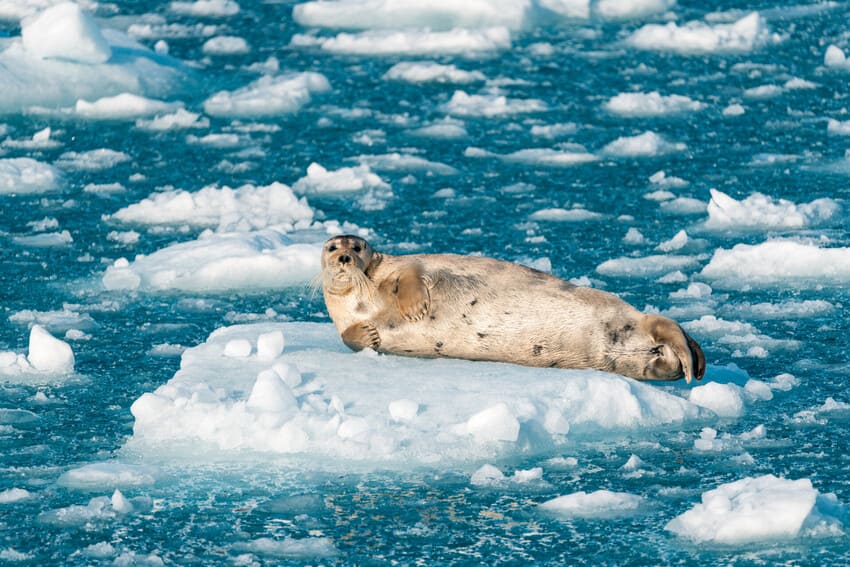
Nunavut is one of the most remote regions to visit around the Arctic Circle, covering territories on the Canadian mainland as well as numerous islands. Endless tundra wilderness, diverse wildlife, and a unique Arctic flora flourishing on permafrost terrain await you on this Arctic archipelago. During May and June, you can spot narwhals in the northern regions of Baffin Island. See these unique creatures, known as the unicorns of the sea, glide through icy waters. Kayak the picturesque bays and paddle amid icebergs, or enjoy a day out fishing for Arctic char, which is abundant in the freshwaters of Nunavut. Visit during the winter to see the northern lights and go snowmobiling or dog sledding. Discover the museums and cultural centers in Nunavut’s towns to learn about local Inuit culture. The Nunatta Sunakkutaangit Museum in its capital, Iqaluit, displays a collection of tools, artwork, photographs, books, and archived documents from the region. Another place to experience local arts and crafts, as well as an art gallery, is the Nattilik Heritage Center in Gjoa Haven. And did you know that Iqaluit features an igloo church? St. Jude’s Cathedral features the iconic igloo shape and displays a nearly two-meter-high (6-foot) cross made of narwhal tusks.

Unique Arctic Experiences
Historical and Cultural Sites
Arctic destinations offer much more than just wildlife and picturesque landscapes! Many historic sites carry the adventurous spirit of the brave pioneers and the memories of the heydays of polar exploration. Venture to Beechey Island in the Canadian High Arctic to the historic site of Sir Franklin’s wintering camp used during his ill-fated voyage in 1845 to find the Northwest Passage. His ships, the Erebus and Terror, including their entire crew, vanished after becoming trapped near King William Island. Travel further back in history and discover Viking ruins in Greenland around Qassiarsuk, such as church ruins and buildings from the times of Erik the Red, who arrived on the island with other Norse settlers around 985 AD. If you’re looking for fascinating Cold War historic sites, head to the ghost town of Pyramiden on the Svalbard archipelago. The abandoned coal mining settlement still features the world’s northernmost Lenin statue and derelict yet fascinating Soviet architecture. You can book a guided tour, which takes you to Pyramiden by boat in summer or on snowmobiles in winter.
Wildlife and Natural Phenomena
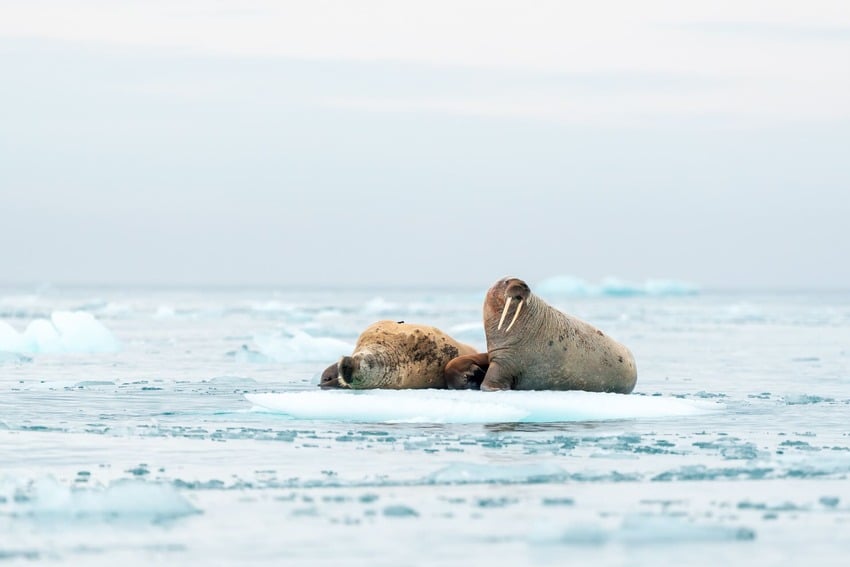
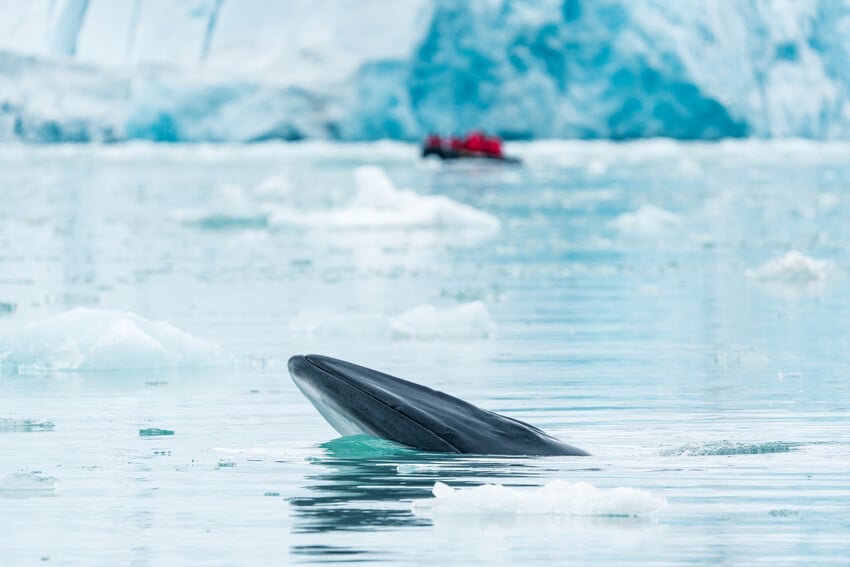
Even the most seasoned adventurer will be awestruck by the extraordinary wildlife and the unique phenomena of the High Arctic. It’s one of the few places on Earth to see polar bears in their natural habitat, roaming the sea ice hunting for seals or tending to their adorable cubs. Spot rare seabirds such as puffins along rocky coasts, and see large haul-outs of walruses on remote beaches. During the summer, you can also spot whales (from playful belugas to elusive narwhals), whose iconic tusks – elongated teeth – serve as sophisticated sensory tools. Imagine the sun not setting for the entire summer, giving you the chance to spot wildlife around the clock. In autumn and winter, you can see the colorful spectacle of charged solar particles colliding with the Earth’s atmosphere (also known as the aurora borealis, or Northern Lights). It’s a once-in-a-lifetime must-see, and we reckon that seeing the northern lights is on most people’s bucket list!
Planning Your Arctic Adventure
Traveling to the Arctic is a journey like no other. There are various options, depending on your preferences and budget. Getting around in some of the remote places can be difficult, like in Greenland, where no public road system exists. A great way to make the most of a trip to the Arctic is aboard a small expedition cruise. Small cruise ships are perfect for reaching remote destinations otherwise inaccessible via land. They offer flexible landings, Zodiac excursions, and kayak outings. These ice-strengthened vessels are specifically designed for Arctic marine environments and will give you a more immersive expedition experience in comparison to larger cruise ships. Traveling with a professional and sustainable cruise operator ensures your safety, as well as the protection of the delicate Arctic ecosystem, while strictly following the guidelines of the AECO (Association of Arctic Expedition Cruise Operators). Onboard specialists will enhance your experience with lectures and guided walks, sharing their deep knowledge of wildlife, nature, culture, and history. Arctic cruises operate from early summer (when sea ice retreats and wildlife is most active) through autumn (when the northern lights illuminate the sky).
Find the best places to visit in the Arctic in our upcoming cruise programs! Choose your adventure now!
