Greenland's Weather and Climate - An Essential Guide
Greenland features the second-largest ice sheet in the world, which covers most of the island. Have you ever seen how icebergs are born? When you observe glaciers calving in the coastal regions, you’re witnessing a process that starts in the interior and depends on the velocity of the ice flow from the ice sheet’s center.
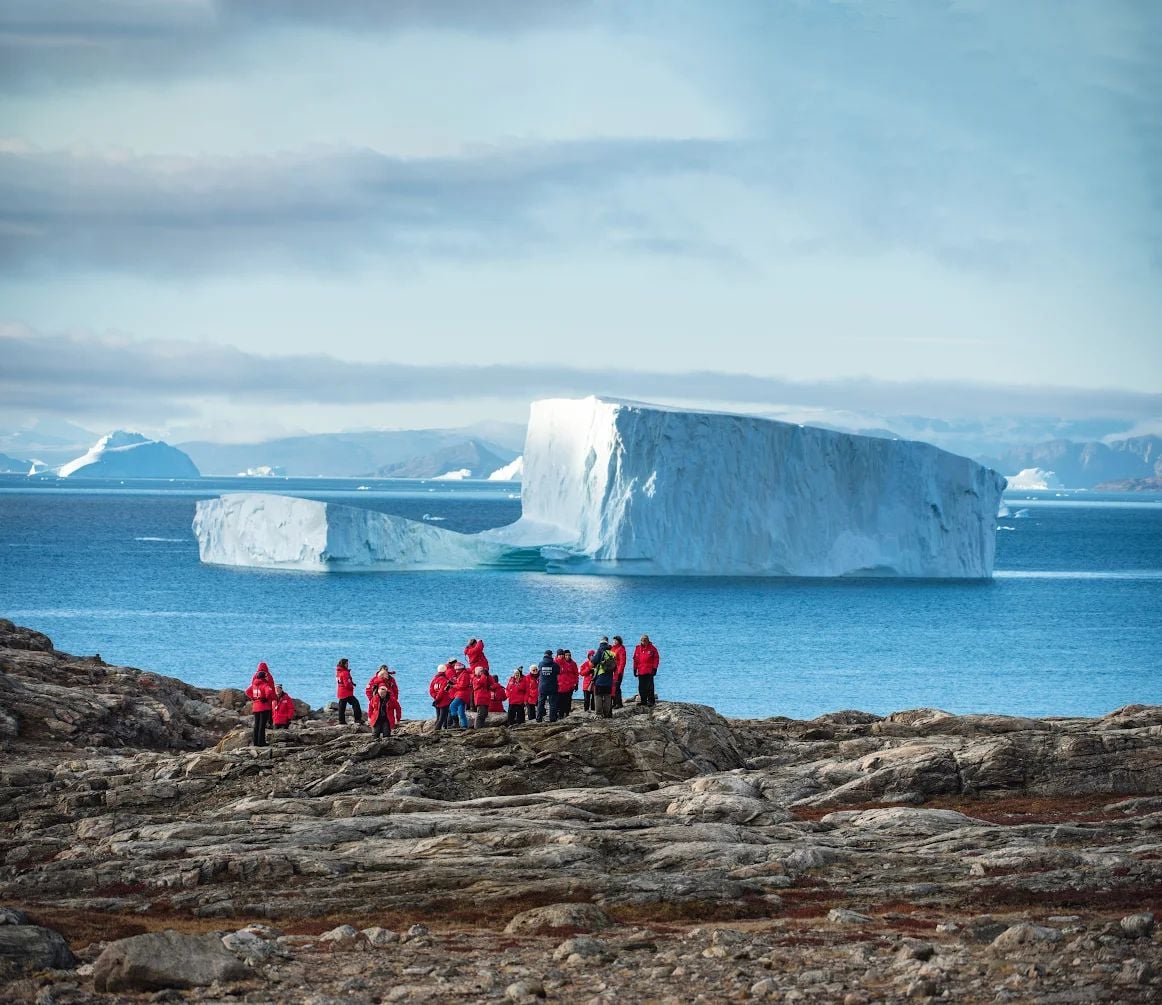
What weather should you expect during your Greenland visit? Greenland’s climate features short cool summers and long winters, which are surprisingly warm for its latitude, due to the Gulf Stream. While you may prefer the warmer summers (like most tourists), consider Greenland as a year-round destination! Read on to find out about the peculiarities of Greenland’s climate and weather.
Climate Zones of Greenland
Greenland is located in the polar climate zone, with 81% of the island covered by a continental ice sheet. The landscape features mountains, glaciers and tundra plains, and you can define four specific climates:
- Cold desert climate: in central and southern Greenland near the ice front
- Boreal forest climate: a subarctic climate, at 50 to 70 degrees north, featuring long, cold winters and cool summers
- Polar tundra climate: in coast regions, winters below freezing and cool summers, high levels of precipitation
- Polar ice sheet climate: annual mean temperature below 0C (32F), close to the ice sheet
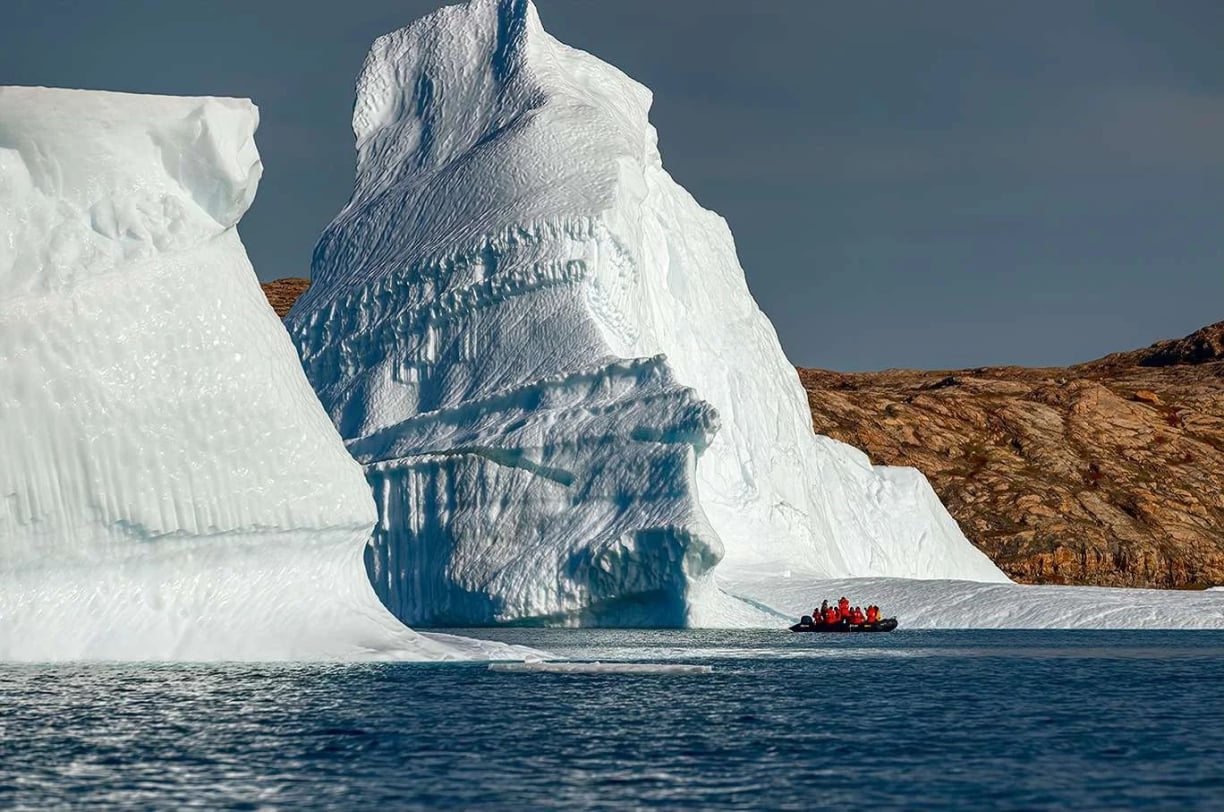
South Greenland
In all of Greenland, you’ll find the mildest climate in the southern parts. This area, with an earlier onset of summer, allows for produce and sheep farming. The extreme south also features the only forested patch on the island. The polar tundra climate features cold winters with temperatures below 0C (32F) and summers with up to 10C (50F).
The city of Qaqortoq in the south has one of the mildest weather in Greenland, with winters around –5C (41F). Narsarsuaq, located around 60 km (37 miles) south of Qaqortog and less than 50 km (31 miles) from the Greenland ice sheet, features a snowy forested climate. Here you can find some of the only places where trees grow naturally on the island.
Mean temperatures (1991 – 2020) in °C (°F)
| JAN | FEB | MAR | APR | MAY | JUN | JUL | AUG | SEP | OCT | NOV | DEC | |
| Qaqortog |
-6.1 (21.0) |
-6.6 (20.1) |
-4.7 (23.5) |
1.3 (34.3) |
5.9 (42.6) |
9.6 (49.3) |
11.2 (52.2) |
9.8 (49.6) |
6.1 (43.0) |
1.5 (34.7) |
-3.3 (26.1) |
-5.5 (22.1) |
| Narsarsuaq |
-4.9 (23.2) |
-5.4 (22.3) |
-4.1 (24.6) |
0.5 (32.9) |
3.5 (38.3) |
6.2 (43.2) |
8 (46.6) |
8.1 (46.6) |
5.9 (42.6) |
2.3 (36.1) |
-1.6 (29.1) |
-3.7 (25.3) |
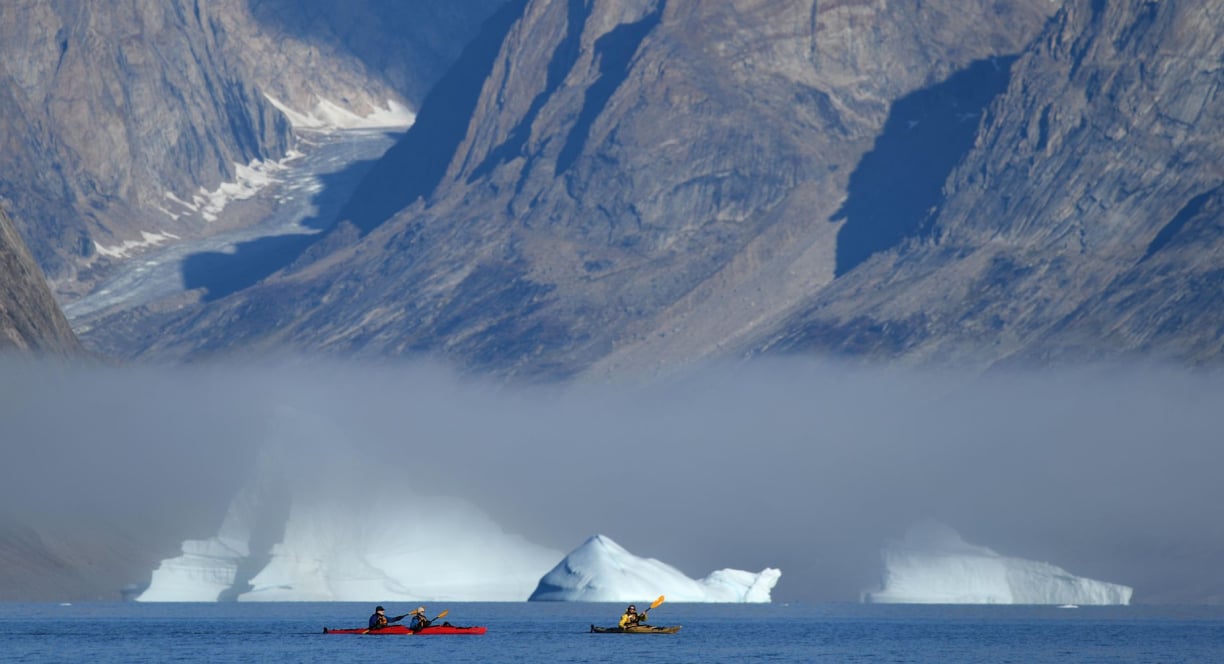
Central and Northern Greenland
Around the Arctic Circle, you can find a polar tundra climate with low precipitation. Settlements like Kangerlussuaq and Sisimiut are located in this area. While Sisimiut is located on the coast, Kangerlussuaq lies within a fjord, 200 km (124 miles) from the sea and close to the ice sheet. The region features permafrost and little precipitation. The prevailing cold desert climate allows for only limited vegetation such as grass, lichens and dwarf shrubs. In comparison to the coastal regions, the weather in towns within the fjords tends to be colder during the winter, but warmer during the summer.
| JAN | FEB | MAR | APR | MAY | JUN | JUL | AUG | SEP | OCT | NOV | DEC | |
|
Kangerlussuaq |
-18.5 (-1.3) |
19.8 (-3.6) |
-16.6 (2.1) |
-6.2 (20.8) |
3.6 (38.5) |
10 (50) |
11.2 (52.2) |
8.7 (47.7) |
3.5 (38.3) |
-4.6 (23.7) |
-11.3 (11.7) |
-15.2 (4.6) |
| Sisimiut |
-11.5 (11.3) |
-13.7 (7.3) |
-12 (10.4) |
-5.5 (22.1) |
0.7 (33.3) |
5.1 (41.2) |
7.8 (45.7) |
7.3 (45.1) |
4.1 (39.4) |
-0.7 (30.7) |
-5 (23) |
-8 (17.6) |
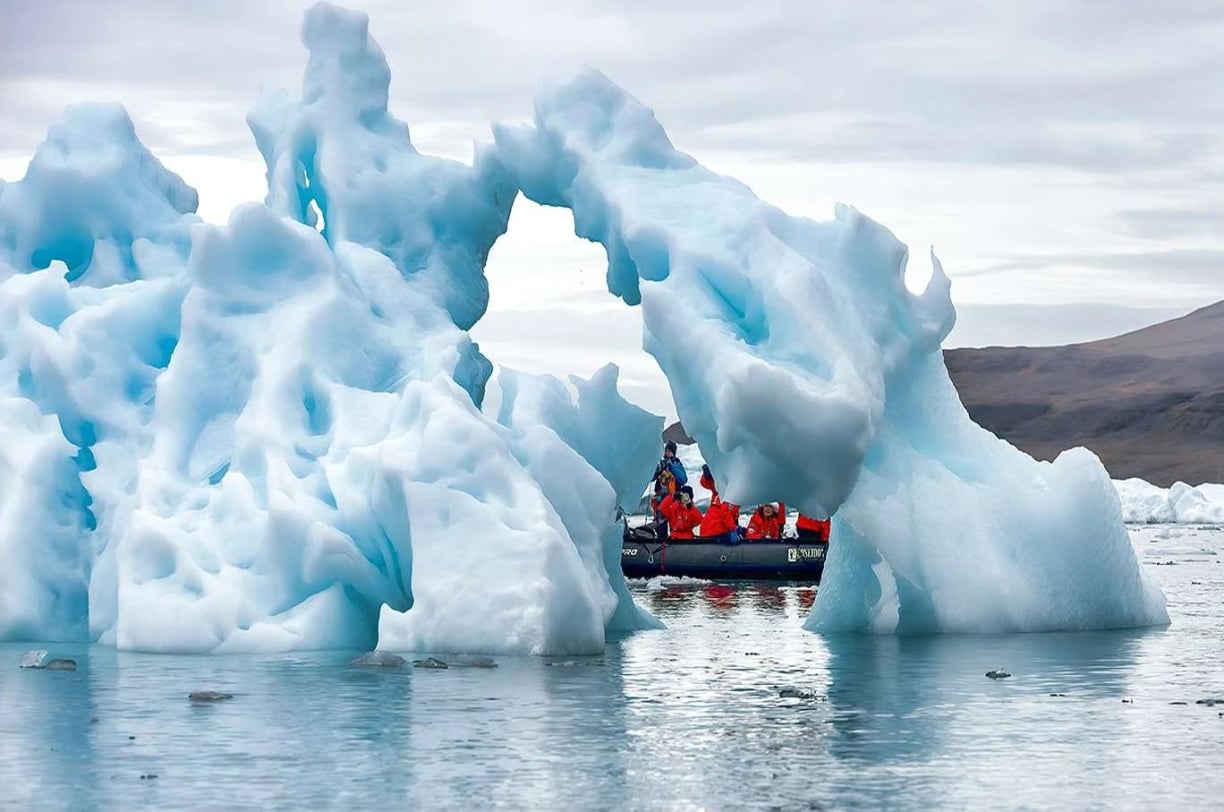
East Greenland
Cold air and katabatic winds of up to 324 km/h (200 mph) sweep this region, located in close proximity to the ice sheet. Communities such as Tasiilaq and Ittoqqortoormiit are located on the east coast. Ittoqqortoormiit (north of Tasiilaq) features a drier and colder climate. Here you can also experience the full midnight sun (June) and polar night (December). East Greenland is also a popular area for climate and weather stations. The first weather station in Greenland was set up in 1906 near Danmarkshavn (northeast Greenland).
| JAN | FEB | MAR | APR | MAY | JUN | JUL | AUG | SEP | OCT | NOV | DEC | |
| Tasiilaq |
-5.8 (21.6) |
-6 (21.2) |
-5.9 (21.4) |
-2.3 (27.9) |
1.4 (34.5) |
4.9 (40.8) |
7.2 (45) |
7 (44.6) |
4.3 (39.7) |
0.2 (32.4) |
-2.8 (27) |
-4.9 (23.2) |
| Ittoqqortoormiit |
-12.7 (9.1) |
-12.7 (9.1) |
-14.1 (6.6) |
-9.2 (15.4) |
-2.4 (27.7) |
2.6 (36.7) |
5.7 (42.3) |
5.2 (41.4) |
1.1 (34) |
-5.4 (22.3) |
-10.1 (13.8) |
-12.9 (8.8) |
North Greenland and Disko Bay
Summertime in northwest Greenland is short but sunny, with 24 hours of daylight. Baffin Bay, connecting the Atlantic and the Arctic Ocean, features dense icebergs and sea ice, even in August. While warm summers may melt the snow and ice between July and September, you can still expect snowstorms during the summer months. Winter weather can feature extreme cold temperatures as low as -40C (-40F).
Disko Bay and Ilulissat are located in the coastal regions of western Greenland and feature milder temperatures from June to August. Qaanaaq, located north of Baffin Bay, features a tundra climate with low temperatures year-round. With a summer mean temperature of 4.5C (40.1F) and -22.9C (-9F) in winter, it also features up to four months of darkness from November to February. Because of sea ice, you are only able to cruise to Qaanaaq from July to September.
| JAN | FEB | MAR | APR | MAY | JUN | JUL | AUG | SEP | OCT | NOV | DEC | |
| Ilulissat |
-12.5 (9.5) |
-14.7 (5.5) |
-14.6 (5.7) |
-7.2 (19) |
0.2 (32.4) |
5.7 (42.3) |
8.3 (47) |
6.7 (44.1) |
2.7 (36.9) |
-2.9 (26.8) |
-7 (19.4) |
-9.4 (15.1) |
| Qaanaaq |
-23.9 (-11) |
-24.6 (12.3) |
-23.7 (-10.7) |
-15.3 (4.5) |
-4.3 (24.6) |
2.8 (37) |
6.1 (43) |
4.5 (40.1) |
-1.5 (29.3) |
-8.6 (16.2) |
-14.3 (6.3) |
-20.1 (-4.2) |
Seasons in Greenland
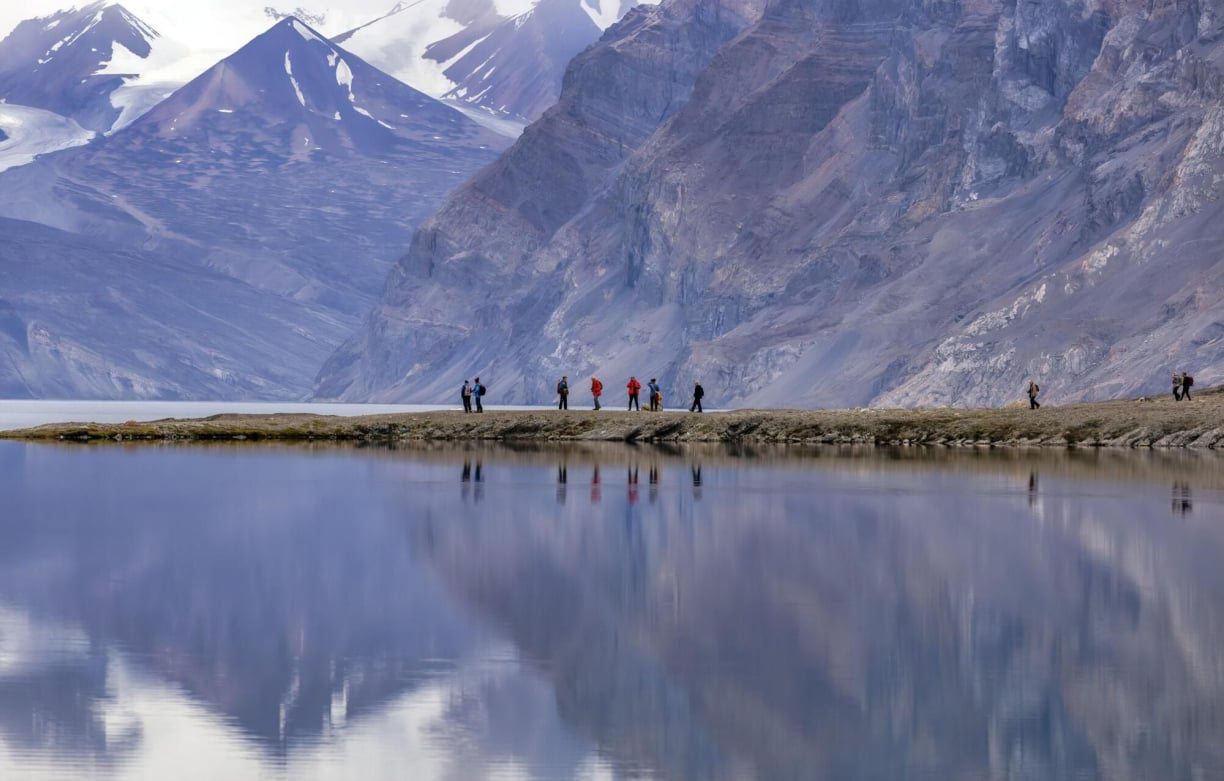
Despite its location in the high Arctic, Greenland’s climate features four seasons. If you’re a fan of spring and autumn, you may be disappointed with them passing too quickly. While most travelers prefer the warmer summers for visiting, don’t be discouraged to discover Greenland in winter, autumn and spring! Each season offers unique scenery, wildlife and activities.
Spring: The Big Melt
May is springtime in most of Greenland’s regions, lasting just for about a month. It’s the melting season and after months of snow and ice, temperatures rise. Melting ice sparkles in the sun, creating beautiful formations of crevices and snow bridges with meltwater streams beneath. Large icicles form and some of them can become several meters long, hanging from rooftops. It’s an incredible sight and makes for great photo ops!
The days are slowly getting longer and brighter, and plants start to sprout. It’s the time of the year locals start tending to their gardens. Enjoy the slower pace of local life, as tourists are not yet swarming the island. If you plan to visit the cities, pack a pair of rain boots, as puddles are everywhere.
Summer: Short, but Magical
The tundra is in full bloom, especially in eastern and southern Greenland. Bright yellow buttercups frame the landscapes and the lush vegetation attracts wildlife such as musk ox, arctic hare and reindeer. From June to August, it’s primetime for outdoor activities such as hiking, kayaking, sailing and fjord excursions. For anglers, July is the best time for the best catches. Summer is also the prime season to witness glaciers calving.
Want to dive into the local culture? Plan your visit around the 21st of June, Greenland’s national day and also the day of Greenland’s summer solstice. Locals celebrate their national identity with colorful festivities featuring national clothing, dances, music and live entertainment. The midnight sun gives you ample time to explore the beautiful region and summers in Greenland feature the most comfortable temperatures. But don’t underestimate the Greenland weather, as even during the summer months it’s unpredictable!
Autumn: A Spectacle of Colors
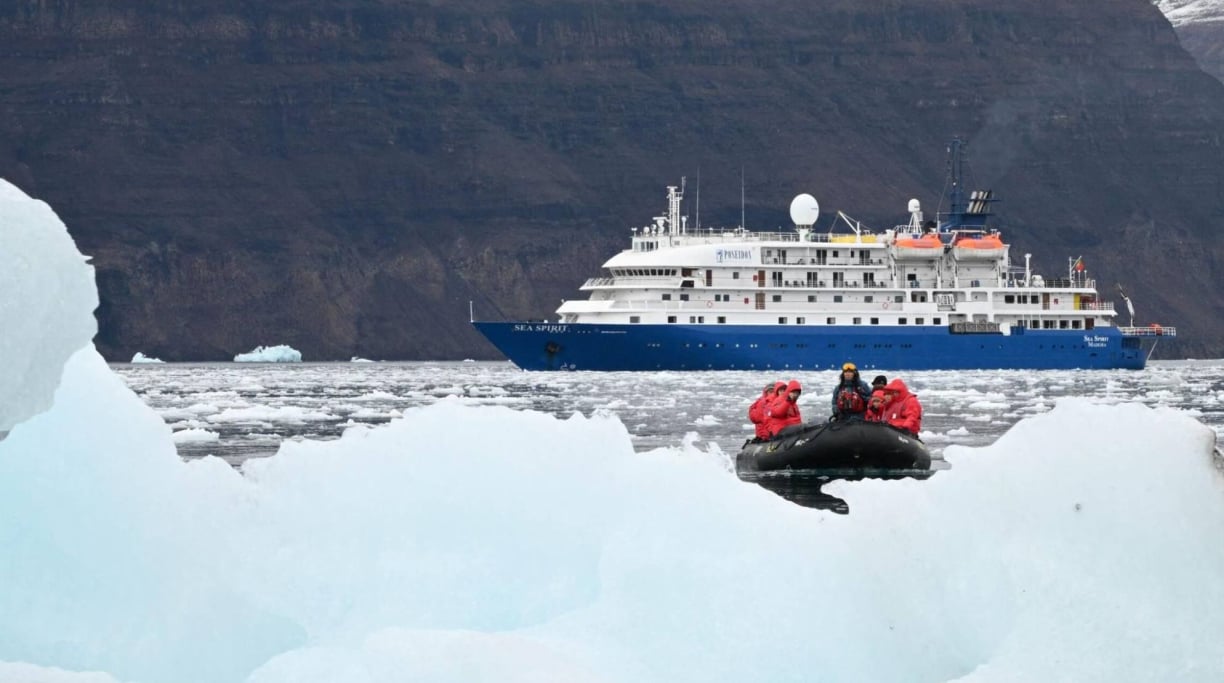
One day you enjoy the beautiful Greenland summer and in the blink of an eye, it’s autumn! September and October are the best time to experience the short, but mesmerizing autumn in Greenland. By now, the majority of tourists have left and you get to enjoy the beauty of the world’s largest island at a calmer pace. The colorful landscapes are perfect for trekking, hiking and picking berries, and while mosquitos are active in summer, nowadays you can enjoy the outdoors without these pesky buzzers.
The days are getting shorter and with the nights returning, you get prime opportunities to see the northern lights. Feeling sportive? Join the Polar Circle Marathon in Kangerlussuaq in October. Runners race through the Arctic, snow crunching below their feet. The route leads over parts of the Greenland ice sheet and gives prime vistas of some of the most remote and beautiful places on Earth.
Winter: A Winter Wonderland
While the days during the Greenlandic winter are short, there are lots of activities you can fit into the few hours of daylight! Try dog sledding, snowmobiling, snowshoeing and alpine or cross-country skiing. The dark skies are perfect to catch the northern lights and you can sign up for tentsile camping in places like Disko Bay and other pristine areas around the country. If you need to warm up, visit the Uunartoq hot springs, where you can soak year-round in the temperate water. Come in December and celebrate a magical Christmas and New Year’s with local festivities, unique food and fairs. After all, Santa Claus lives on the island in Uummannaq (at least according to the Danish and Greenlanders) and you may spot him flying in on an Air Greenland helicopter, distributing his presents.
Impacts of Climate Change
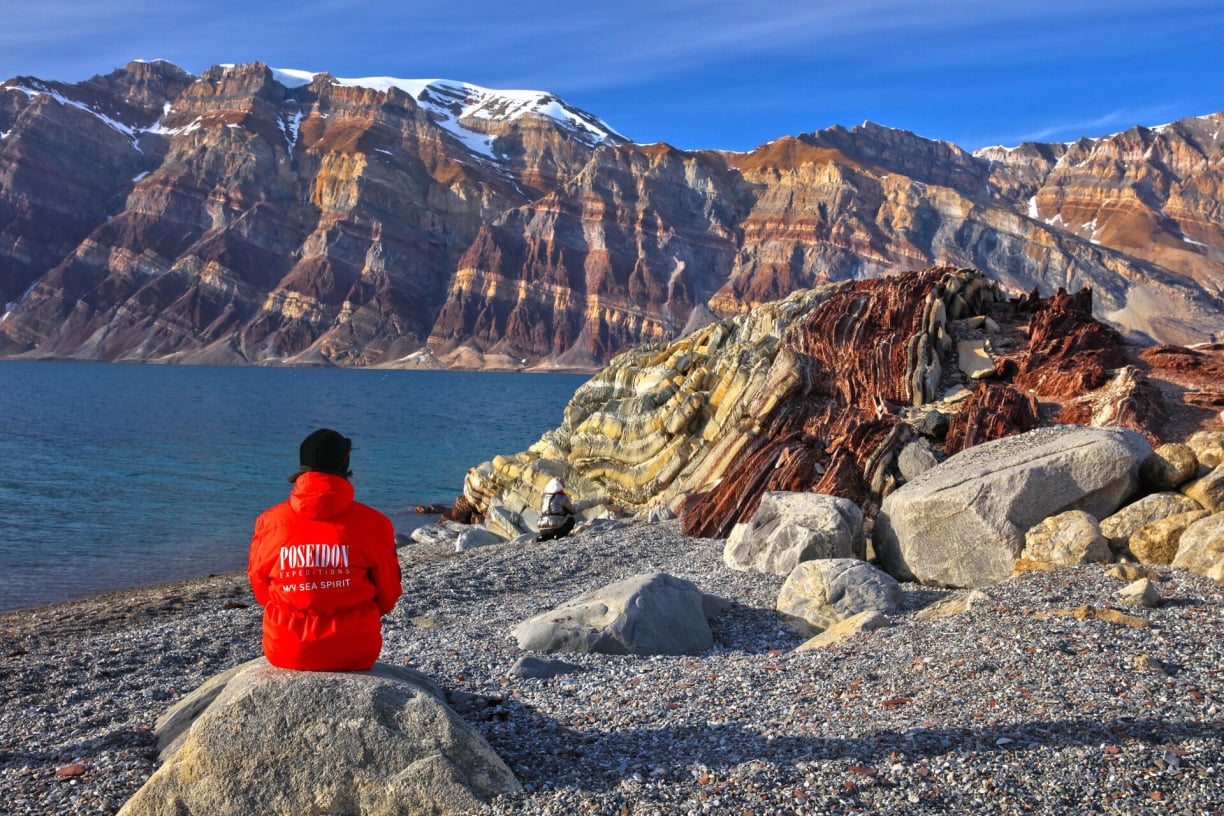
Greenland’s climate is changing. The warming climate is causing the Greenland ice sheet melt and sea level rise. According to a research published by Geophysical Research Letters in 2023, the Arctic has recorded temperature increases and significant warmings four times faster than the global average since the 1970s. In August 2021, for the first time since the 1950s (the start of the reference period), rain fell on Greenland’s ice sheet when temperatures reached above 0C (32F). This observed summer warming is not an isolated case. Similar significant warming has been recorded in northern Greenland with summer temperatures of up to 20C (68F). A rise in surface air temperature causes the Greenland ice sheet to melt faster than it can regain substance during the winter (causing a negative mass balance).
The significant overall warming and record melt also took a toll on the Swiss Camp research station, which recorded climate data for 30 years, 80km from the town of Ilulissat. In 2021, researchers returning to the camp found their equipment buried in rubble, wet snow and meltwater. While global climate change affects the melting of the Greenland ice sheet, a study from Woods Hole Oceanographic Institution shows that melting may be temporarily affected by two specific climate patterns: the North Atlantic Oscillation and the Atlantic Multidecadal Oscillation. The southwest ice sheet is particularly sensitive to this phenomenon. During a negative phase of the North Atlantic Oscillation, less snow falls and more sun increases the melting process.
On the website of the National Snow and Ice Data Center, you can see the Greenland ice sheet melting patterns based on satellite data. Another climate indicator is the Greenland Blocking Index, a regional climate change signal that recorded extreme values over the past two decades. Greenland’s ice sheet lost around 3.9 trillion tons of ice between 1992 and 2018.
When to Visit Greenland
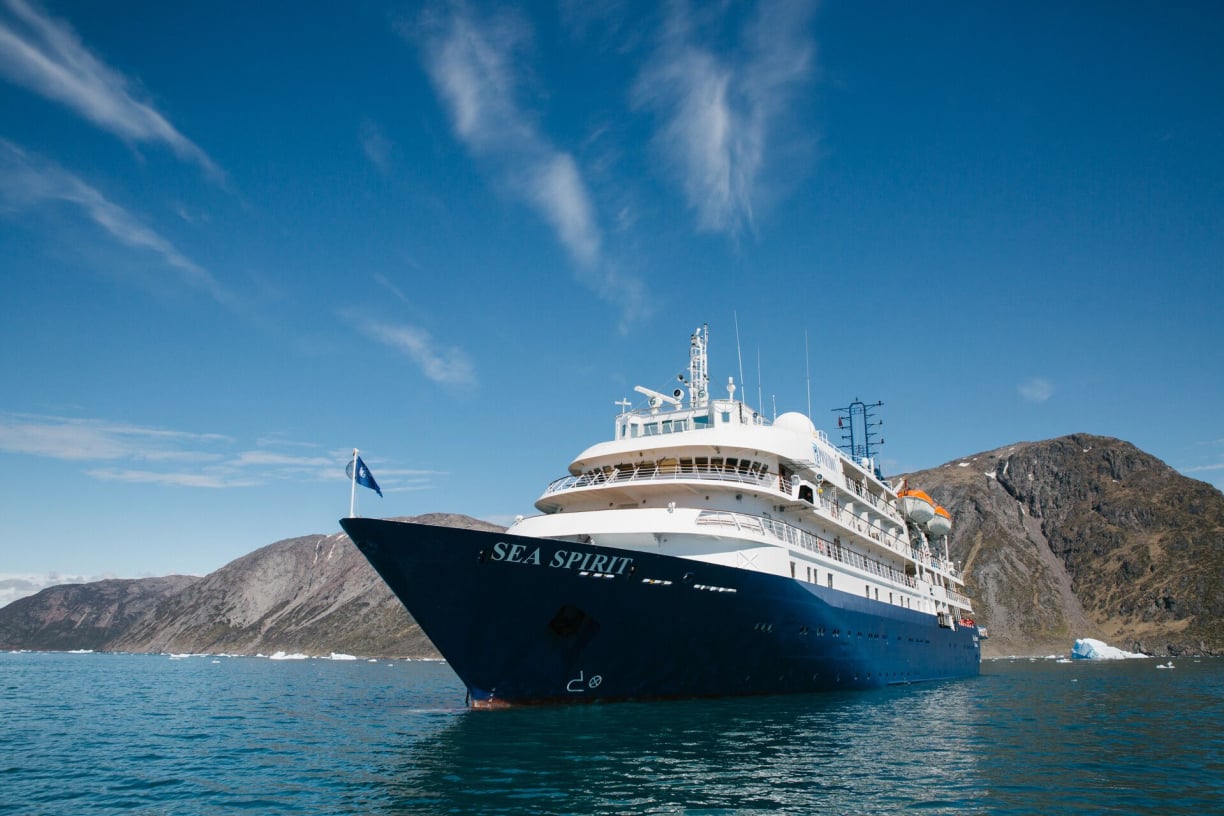
Primetime for Greenland visits is summer. From June to August, you will experience the warmest temperatures and coastal regions are free of ice and snow. While June is still quite cool, it gives you the best opportunities to experience the full scope of the polar day. July, though the warmest month, can be rainy, especially on the southwest coast. July is also prime fishing season! If you plan to visit regions that feature an Arctic climate (such as northern Greenland), July may be the best month to travel. The same applies to visits to the inland plateau and mountains. Even during the summer months, you will need winter clothes.
But don’t limit yourself to summer visits. If you are a fan of heli-skiing, May is the perfect month to travel. Pristine places such as the mountains near Maniitsoq (Arctic Circle) await avid ski fans, with slopes of up to 2000m (6,500 feet) high. And for anyone who wants to experience the northern lights, winter is the best time to visit. Stay active with alpine or cross-country skiing. Celebrate Christmas in Nuuk or New Year’s in Ilulissat overlooking the incredible fjord.
What to Pack for Traveling to Greenland
Greenland weather can be unpredictable and staying warm means packing for all contingencies! Check our packing list for summer and winter visits to Greenland below.
|
What to pack for a cool summer in Greenland |
What to pack to stay warm in Greenland’s frigid winter |
|
|
FAQ
Is Greenland cold all year-round?
Generally, it stays quite cold throughout the year, as Greenland is located in the polar climate zone. Expect cold winters and cool summers, but there are variations depending on the region of Greenland in which you will find yourself.
What’s the warmest month in Greenland?
With average temperatures of around 7C (44F), July is the warmest month in Greenland. Greenland temperatures vary not only by month, but also by region, hence it often depends on where you plan to go.
How warm is Greenland in the summer?
July temperature trends depend on the specific region of Greenland, e.g. Ilulissat (southwestern Greenland) gets temperature highs of up to 14C (57F), Kangerlussuaq up to 16C, Narsaq (south Greenland) up to 13C (55F) and Kulusuk (southwest Greenland) around 8C (46F).
Does Greenland have 4 seasons?
Yes, Greenland features four seasons. But spring and autumn pass quickly. Springtime is melting season and lasts for around a month. Autumn features a brief change in color of the tundra landscapes before the winter moves in.
Is Greenland colder than Canada?
The Gulf Stream, a warm Atlantic Ocean current, influences Greenland’s climate. That is why Greenland has on average warmer temperatures during the winter than Canada. Average winter temperatures in Nuuk (Greenland) are around -9C (16F), while average temperatures in Nunavut, (Canada) located approximately at the same latitude, are -27C (-17F).
How cold does Greenland get?
This depends on which region you are looking at. In North Greenland it can get as cold as -50C (-58F) in winter. Winter temperatures in Nuuk are only around – 9C (16F). The lowest temperature recorded in the Northern Hemisphere was -69.6C (-93.3F) in central Greenland at the Klinck weather station in December 1991.